
Planting
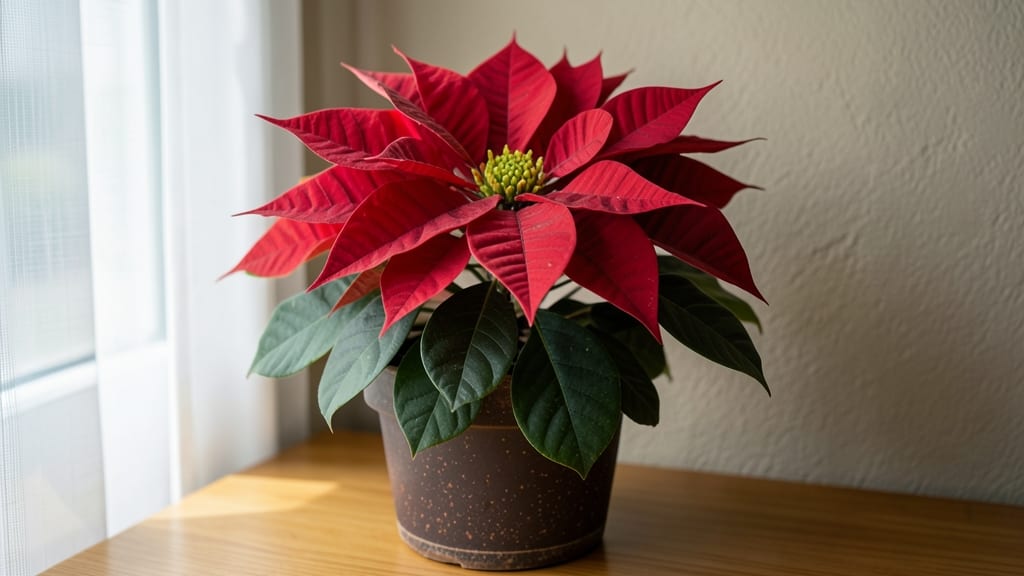
Caring for a red poinsettia isn't just about December—it's about year-round vibrancy that turns your holiday plant into a living centerpiece. 🌟 I've kept mine blooming through four winters by mastering the balance between light, water, and a little seasonal trickery that most people miss.
The secret starts with bright, indirect light—think east-facing windows or a grow light for 12 hours daily. Overwatering is the silent killer: let the top inch of soil dry out between drinks, and always use a pot with drainage.
Too much moisture turns those lush red bracts into sad, yellowing leaves faster than you can say "holiday stress." By summer, you'll notice new growth—those are the leaves that will become next year's showstopping red.
Pinch back leggy stems to encourage bushiness, and feed lightly with balanced fertilizer every 6 weeks. The real magic happens in September when you trick the plant into thinking it's fall by shortening daylight exposure to 12 hours—that's when the color transformation begins.
This isn't a one-season wonder—with these adjustments, your poinsettia becomes a perennial showstopper that outlasts the competition. Let's dive into the specifics that keep them thriving beyond the holidays.
📚 In This Guide
- What you need
- Instructions
- Tips and common mistakes
- Wrapping up and next steps
What you need
- ● Poinsettia plant: A healthy red poinsettia (check for vibrant leaves and firm stems).
- ● Well-draining potting mix: 1 bag (1–2 cubic feet) of high-quality cactus or succulent mix (or regular potting soil amended with perlite/vermiculite for drainage).
- ● Pot with drainage holes: A container 1–2 inches larger in diameter than the plant’s current pot (terracotta or plastic with holes).
- ● Watering can or spray bottle: For gentle hydration (avoid soggy soil!).
- ● Fertilizer: A balanced liquid houseplant fertilizer (10-10-10 or 20-20-20, diluted to half-strength).
- ● Pruning shears or clean scissors: Sharp and sterilized (rubbing alcohol wipe works!).
- ○ Grow lights (optional but helpful): A full-spectrum LED grow light (12–14 hours/day in low-light areas).
- ● Peat moss or coco coir: For improving soil aeration (mix 1 part into your potting soil).
- ● Humidity tray: A shallow tray with pebbles + water to boost moisture (poinsettias love humidity!).
- ● Plant food spikes: Slow-release granules for hassle-free feeding.
- ● Mulch (e.g., bark chips): To retain soil moisture and regulate temperature.
- ● Plant support (if needed): A small stake for leggy stems.
Step-by-Step guide to red poinsettia plant care
Keeping your red poinsettia vibrant year-round is easier than you think—just follow these proven steps.
🪴 Step 1: Select the Right Lighting Conditions
Poinsettias thrive in bright, indirect light—think east or west-facing windows where they receive 4-6 hours of filtered sunlight daily. Avoid harsh midday sun, which can scorch the leaves and bleach the vibrant red bracts. If your home lacks natural light, supplement with a grow light positioned 12-18 inches away for 12-14 hours per day. You’ll notice the leaves stay glossy and the bracts retain their deep color when light is optimal.
Here’s the thing—poinsettias are sensitive to light shifts. If you move the plant frequently, the bracts may fade or drop prematurely. Once you find the perfect spot, resist the urge to rotate it unless necessary. Watch for signs of stress: yellowing leaves or leggy growth mean it’s time to adjust the light exposure.
💧 Step 2: Master Watering for Long-Term Health
Water your poinsettia when the top inch of soil feels dry to the touch—this prevents both underwatering and root rot. Use room-temperature water and avoid letting the plant sit in soggy soil, as poinsettias are prone to fungal issues. I like to water deeply until it drains from the bottom, then empty the saucer after 10-15 minutes to prevent waterlogging. Overwatering is the #1 killer of poinsettias, so err on the side of slightly drier soil.
During the winter months, when homes are dry and heaters run, your poinsettia may need water every 5-7 days. Check the soil moisture more frequently—these plants are drought-tolerant but not drought-proof. If the leaves start to droop or feel crispy at the edges, it’s a clear sign you’ve let the soil dry out too much.
☀️ Step 3: Maintain Ideal Temperature and Humidity
Poinsettias prefer room temperatures between 65-75°F during the day and no lower than 55°F at night. Drafty windows, air conditioning vents, or sudden temperature drops can shock the plant and cause bracts to fall prematurely. If you live in a dry climate, increase humidity by placing the pot on a pebble tray filled with water or grouping it with other houseplants. You’ll know the humidity is right when the leaves stay plump and the air feels slightly moist around the plant.
Never place your poinsettia near a heater or in a spot where it’s exposed to cold drafts. These plants are tropical and can’t handle sudden temperature swings. If you notice the edges of the leaves turning brown or crispy, it’s a sign the air is too dry or the temperature is fluctuating too much.
✂️ Step 4: Prune and Fertilize for Year-Round Growth
After the holiday season, trim the plant back by half its height to encourage bushier growth. Use clean, sharp pruners to make 45-degree cuts just above a leaf node. This pruning shock might look drastic, but it’s the key to a fuller, healthier plant next season. Follow up with a balanced liquid fertilizer (10-10-10 or similar) diluted to half-strength every 4-6 weeks during the growing season. You’ll see new growth within 2-3 weeks—that’s your signal the plant is recovering and thriving.
Skip the fertilizer in winter when the plant is dormant, and avoid over-fertilizing, which can burn the roots. If you notice yellowing leaves or stunted growth, flush the soil with water to remove excess salts. A little patience here pays off—your poinsettia will reward you with lush, vibrant foliage year after year.
🌱 Step 5: Encourage Reblooming with Proper Light Control
To get those striking red bracts back next year, your poinsettia needs 14 hours of darkness each night for 5-6 weeks starting in early October. Use a blackout cloth or move the plant to a closet during this time. The key is consistency—even a few hours of light can disrupt the process. After the dark period, return it to normal light and watch for new bud formation. You’ll see tiny red or pink buds emerge in 4-6 weeks, signaling the start of the blooming cycle.
If you miss the dark treatment window, don’t stress. Poinsettias are forgiving, and you can still enjoy their foliage. Just repeat the process the following year for a full rebloom. Real talk: the first year after purchase often produces the most dramatic flowers, but with the right care, your poinsettia can become a year-round showstopper.
Tips & tricks for year-round poinsettia care
Common pitfalls—and how to sidestep every one—while keeping your poinsettia thriving beyond the holidays.
Lighting Consistency: The 4-6 hours of filtered sunlight in Step 1 is non-negotiable for maintaining those vibrant red bracts. I've found that placing a sheer curtain over south-facing windows during peak afternoon sun (12-3 PM) prevents bleaching while still providing adequate light. For grow lights, use full-spectrum LED bulbs—they mimic natural light better than standard white bulbs and won't cause the bracts to lose their rich color.
Watering Technique: That 10-15 minute drainage period after watering in Step 2 isn't just about preventing root rot—it's about oxygenating the roots. I've seen poinsettias develop fungal issues because people skip this step, thinking "more water is better." Instead, think of it like giving your plant a breath of fresh air after its drink. Also, always water at the base rather than overhead to prevent fungal spores from landing on the leaves.
Temperature Transition: The 65-75°F daytime range in Step 3 is crucial, but what matters just as much is how you transition your poinsettia between indoor and outdoor environments. If you're bringing it outside in summer, do it gradually—start with just 30 minutes per day in partial shade, then increase exposure over 2 weeks. Sudden temperature shifts can cause the bracts to drop prematurely, and you'll lose that holiday magic.
Pruning Precision: When trimming back by half in Step 4, focus on making those 45-degree cuts just above leaf nodes—this isn't just about aesthetics, it's about encouraging new growth from the right spots. I've made the mistake of cutting too close to the stem, which can leave unsightly scars. Also, sterilize your pruners with rubbing alcohol between cuts to prevent spreading any potential plant diseases that might be hiding in your tools.
Pro Tips for Red Poinsettia Plant Care
- Common pitfalls—and how to sidestep every one—while keeping your poinsettia thriving beyond the holidays.
- Lighting Consistency: The 4-6 hours of filtered sunlight in Step 1 is non-negotiable for maintaining those vibrant red bracts.
- Watering Technique: That 10-15 minute drainage period after watering in Step 2 isn't just about preventing root rot—it's about oxygenating the roots.
Frequently asked questions
Got questions about keeping your red poinsettia plant thriving? You’re not alone! Here are some of the most common concerns—and their easy solutions—to keep your festive favorite looking its best all year.
How often should I water my red poinsettia?
Water your poinsettia when the top inch of soil feels dry—usually every 1-2 weeks. Overwatering is the #1 killer! Use well-draining soil and a pot with drainage holes to prevent root rot. Pro tip: Stick your finger in the soil to check moisture levels!
Can red poinsettias survive winter indoors?
Poinsettias thrive in cool (60–75°F) indoor spaces away from drafts or heating vents. Keep them near a bright window (but no direct sun) to maintain their vibrant red color. If leaves yellow, it’s likely overwatering or low light.
Why is my poinsettia dropping leaves?
Leaf drop is usually stress-related. Check for:
- Underwatering: Soil too dry? Water deeply.
- Overwatering: Yellow leaves + soggy soil = root rot. Let it dry out.
- Temperature shock: Keep away from cold windows or AC vents.
How do I keep my poinsettia blooming year-round?
Poinsettias bloom in response to short days (12+ hours of darkness). To encourage reblooming:
- Start in October with 14 hours of light, then 12 hours of total darkness for 2 months.
- Use black fabric or a dark box to block light at night.
- Fertilize lightly every 4–6 weeks with balanced plant food.
Are there low-maintenance poinsettia alternatives?
Yes! Try these easy-care options:
- Easter Cactus (Hatiora): Blooms in spring, drought-tolerant.
- Christmas Kalanchoe: Bright flowers, thrives in indirect light.
- Anthurium: Glossy leaves + heart-shaped blooms, forgiving.
Wrapping up and next steps
Caring for a red poinsettia is simpler than you think—just balance its love for bright light with a little water wisdom, and you’ll enjoy its bold beauty year-round! 🌿 With the right soil, occasional pruning, and a cozy winter retreat, your poinsettia will thrive as a stunning houseplant beyond the holidays.
Ready to level up your green thumb? Start by picking a sunny spot and grabbing a few essentials—then watch your poinsettia flourish with confidence! 🌟 Next step: Snap a photo of your happy plant and tag us—we’d love to see your progress!