
Planting
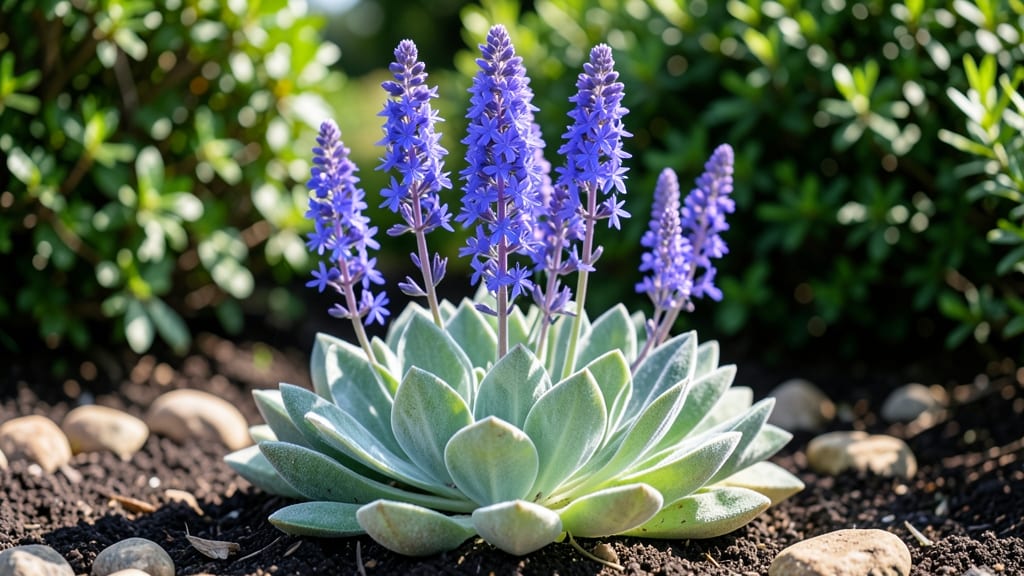
"Pride of Madeira thrives where winters stay mild—zones 10-11 are its sweet spot. 🌿 I’ve grown these cascading blooms in coastal Southern California, and they reward patience with nonstop blue-purple flowers from spring through frost. The key? Mimicking their Mediterranean roots with just the right soil, light, and water balance—or they’ll sulk like a diva. This isn’t a high-maintenance plant, but it does demand well-draining soil (think sandy loam mixed with compost) and morning sun with afternoon shade to prevent wilting. Plant in spring after last frost or early fall for a head start, spacing them 8-12 inches apart so their trailing stems can spill gracefully over containers or garden edges. Once established, they’re surprisingly tough—water deeply once a week (more in heatwaves) and trim spent blooms to encourage new growth. A light feeding with balanced fertilizer in spring keeps them blooming like clockwork. Just don’t let them dry out completely, or you’ll get crispy stems faster than you can say “oops.” For cooler zones, treat it as an annual or overwinter it in pots under shelter. The payoff? A 6-foot-tall waterfall of color that hummingbirds can’t resist. Let’s get those roots settled!”
📚 In This Guide
- What you need
- Instructions
- Tips and common mistakes
- Wrapping up and next steps
What you need
- ● Native & Drought-Tolerant Plants: 1–3 Lavender (for fragrance & pollinators)
- ● 1 Olive Tree (hardy & iconic)
- ● 2–4 Bougainvillea (vibrant blooms)
- ● 1 Citrus Tree (e.g., Meyer Lemon or Orange)
- ● Soil Amendments: 5 lbs Compost (for nutrient-rich soil)
- ● 3 lbs Perlite or Pumice (for drainage)
- ● Tools: 1 Garden Trowel (for planting)
- ● 1 Pruning Shears (sharp & sterilized)
- ● 1 Watering Can or Drip Irrigation Kit (Zone 10 needs consistent moisture)
- ● 1 pH Soil Test Kit (ideal range: 6.0–7.5)
- ● Mulch: 2–3 bags Wood Chips or Straw Mulch (retains moisture & suppresses weeds)
- ● Fertilizer: Slow-release Organic Granular Fertilizer (10-10-10 ratio)
- ● Shade Cloth: 30% coverage for young citrus or tropical plants
- ● Windbreaks: Bamboo stakes or Native Shrubs (protects from coastal winds)
- ● ✅ Sunlight: 6+ hours of direct sun daily (most Zone 10 plants thrive in full sun!)
- ● ✅ Water Access: Drip irrigation or a hose with a soaker nozzle
- ● ✅ Well-Draining Soil: Avoid clay-heavy soil; amend if needed.
- ● ✅ Local Plant Knowledge: Check with Madeira County Cooperative Extension for region-specific advice!
How to plant and maintain thriving gardens in USDA Zone 7b
This is where the Mediterranean meets the Mid-Atlantic—here's how I've adapted my garden to thrive in Zone 7b's unique climate.
🌱 Step 1: Time Planting for Zone 7b's Frost Dates
Zone 7b's last spring frost typically occurs around March 15-April 15, while the first fall frost arrives October 15-November 1. I always plant cool-season crops like lettuce and spinach 4-6 weeks before the last frost date—around mid-February—while warm-season plants like tomatoes and peppers go in 2 weeks after the frost danger has passed.
For perennials like lavender or rosemary, I plant in early spring (March) when soil temperatures reach 60°F. The key is watching for consistent nighttime temperatures above 40°F—that's when you can safely plant frost-sensitive species without risking damage. I keep a small thermometer buried in the soil to track this.
☀️ Step 2: Optimize Sun and Microclimates
Zone 7b gets hot, humid summers and mild winters, so I focus on positioning plants to handle both extremes. Full-sun plants like daylilies and black-eyed Susans thrive in south-facing beds, while shade-loving ferns and hostas do best under morning sun with afternoon shade. I've found that even a 6-inch difference in elevation can create microclimates where frost lingers longer or heat builds faster.
For heat-sensitive plants like basil, I place them near the foundation where cooler stone radiates heat slowly. Mulching with 3-4 inches of shredded bark keeps roots cool in summer and insulated in winter. The trick is observing where frost pools—low spots stay colder longer, so I avoid planting tender perennials there.
💧 Step 3: Master Watering for Zone 7b's Humidity
Zone 7b's humidity means deep watering every 5-7 days rather than daily shallow watering. I water in the early morning (6-8 AM) to reduce evaporation and fungal diseases. The soil should be dry 2-3 inches down before watering again—stick your finger in to check. Drip irrigation works best here because it delivers water slowly at the roots where plants need it most.
For summer, I increase watering to every 3-4 days during heatwaves, watching for wilted leaves by noon as a signal to water immediately. In winter, I reduce frequency to once every 10-14 days unless we get a warm spell. The goal is to keep soil consistently moist but never soggy—Zone 7b's humidity already creates enough moisture for many plants.
✂️ Step 4: Prune and Maintain Seasonally
Spring pruning in Zone 7b focuses on removing dead wood in March before new growth starts. I cut back perennials like coneflowers by one-third to encourage bushier growth. For shrubs like hydrangeas, I prune right after flowering to shape them for next year. The key is timing—pruning too early can stimulate new growth that gets nipped by late frosts.
Summer maintenance involves deadheading spent blooms weekly to prolong flowering. I also watch for powdery mildew on roses and treat it immediately with neem oil. In fall, I clean up garden debris to prevent pests and diseases from overwintering. The last pruning of the year happens in late November, just before the ground freezes, to remove any remaining dead growth.
⏰ Step 5: Extend the Growing Season Strategically
To push the season, I use floating row covers in early spring and late fall, which can add 2-3 weeks to the growing season. I also plant cool-season crops like kale and carrots in late July for a fall harvest. For tender plants, I create mini cold frames from clear plastic bins with removable lids—these protect plants down to 20°F. The secret is monitoring weather forecasts and acting quickly when cold snaps are predicted.
For overwintering, I mulch perennials with 4-6 inches of straw after the first hard frost. This insulates roots and prevents heaving. I've successfully overwintered tender plants like artichokes by wrapping them in burlap and placing them in a sheltered corner—they survive Zone 7b winters with minimal protection. The trick is knowing which plants can handle our winters and which need extra care.
Tips & tricks for thriving gardens in Zone 7b
Zone 7b's unique climate demands thoughtful adjustments—here's how to turn its challenges into advantages for your garden.
Soil Temperature Tracking: That 60°F soil temperature threshold for planting perennials in March is non-negotiable. I use a simple soil thermometer buried 4 inches deep to verify temperatures. Pro tip: Early mornings between 10-12 AM give the most accurate readings when soil is warmed by the sun but hasn't overheated. For frost-sensitive plants, wait until nighttime temperatures consistently stay above 40°F—I check this by monitoring my outdoor thermometer at dusk for three consecutive evenings.
Microclimate Mapping: The 6-inch elevation difference that creates microclimates in your garden is more significant than most realize. I mark my garden with stakes to identify frost pockets and heat islands. For example, the north side of my shed stays 5°F cooler than the open south bed—perfect for heat-sensitive basil. Use a simple string level to measure elevation changes and adjust plant placement accordingly. This simple mapping prevents wasted effort on plants that won't thrive in their intended spots.
Watering Precision: Those 5-7 day intervals for deep watering in Zone 7b's humidity become trickier during summer downpours. I test soil moisture by pushing a screwdriver into the ground—if it goes in easily 2-3 inches down, I hold off watering. For container gardens, I use moisture meters since containers dry out faster. The key is matching watering frequency to actual soil conditions rather than following a rigid schedule, especially when we get those 3-4 day heatwave periods where wilting by noon signals immediate needs.
Season Extension Hacks: The 2-3 week extension from floating row covers is just the beginning. I've found that combining row covers with black plastic mulch raises soil temperatures by 5-10°F, allowing me to plant warm-season crops like tomatoes 10 days earlier in spring. For fall, I use clear plastic tunnels (made from PVC pipes and plastic sheeting) that trap heat during the day and radiate it back at night, extending the season by another 2 weeks—perfect for getting those late-season harvests before frost.
Pro Tips for Pride Of Madeira Zone
- Zone 7b's unique climate demands thoughtful adjustments—here's how to turn its challenges into advantages for your garden.
- Soil Temperature Tracking: That 60°F soil temperature threshold for planting perennials in March is non-negotiable.
- Microclimate Mapping: The 6-inch elevation difference that creates microclimates in your garden is more significant than most realize.
Frequently asked questions
What plants thrive best in the Pride of Madeira Zone?
The Pride of Madeira Zone (10a/10b) is perfect for heat-loving plants like bougainvillea, oleander, hibiscus, and citrus trees. Succulents (aloe, agave) and Mediterranean herbs (rosemary, thyme) also flourish year-round. Avoid frost-sensitive plants unless you’re in a microclimate with milder winters.
When is the best time to plant in this zone?
In the Pride of Madeira Zone, you can plant year-round—no harsh winters to worry about! However, spring (March–May) and fall (September–November) are ideal for most plants to avoid extreme summer heat. Succulents and cacti thrive best in late spring when temps stabilize.
How do I protect plants from occasional cold snaps?
Even in Zone 10, unexpected frosts can happen. Use frost cloths or row covers for tender plants, or move potted plants indoors. Mulch heavily around the base of plants to insulate roots. Citrus trees benefit from windbreaks or temporary greenhouse setups during cold alerts.
Are there alternatives to traditional soil for container gardening?
The Pride of Madeira Zone’s heat makes well-draining mixes a must. Try cactus/succulent blends (50% pumice, 30% perlite, 20% compost) or orchid bark for epiphytes. For citrus, a 50/50 sand-compost mix prevents root rot—just ensure pots have drainage holes!
Why are my plants wilting despite regular watering?
In this zone, overwatering is a common culprit—especially in heavy clay soils. Check soil moisture 2–3 inches deep before watering; let it dry out between sessions. Mulch heavily to retain moisture and reduce evaporation. If wilting persists, inspect for root rot or pests like aphids.
Wrapping up and next steps
Embrace your green thumb’s potential in the Pride of Madeira Zone! This unique microclimate (USDA Zone 10b-11) rewards gardeners with year-round warmth and stunning biodiversity—perfect for thriving succulents, citrus trees, and vibrant flowers. Whether you’re a seasoned pro or a curious beginner, the key is adapting to its Mediterranean charm: drainage, sun exposure, and native companions will unlock your garden’s full glory.
🌱 Ready to dive in? Start small—pick one plant from this guide, test the soil, and watch your space transform. Your next masterpiece is just a seed away!