
Planting
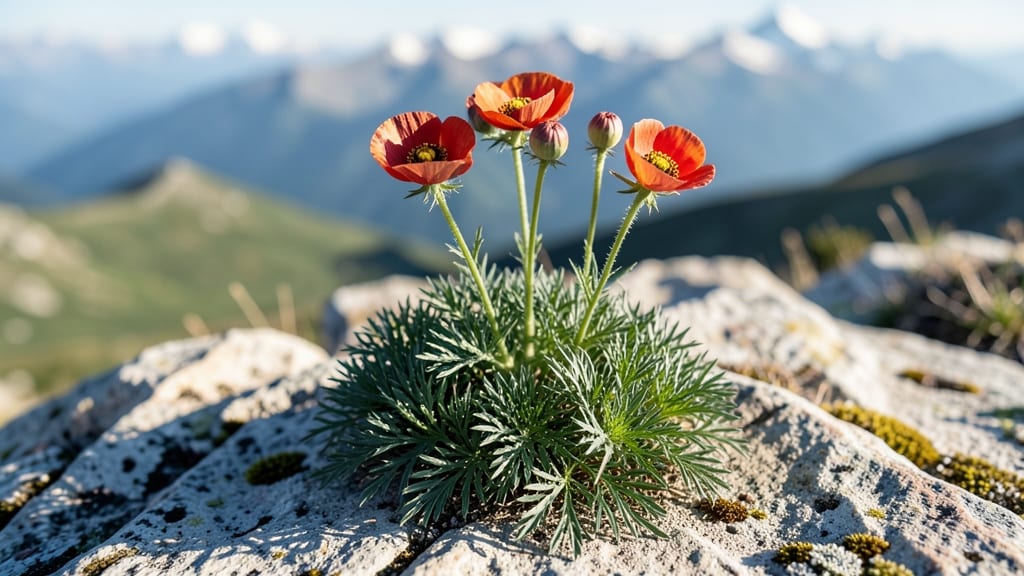
Growing poppies in Alpine Utah requires cold-hardy varieties like Icelandic and alpine poppies, which flourish at elevations above 7,000 feet and deliver stunning early-summer blooms.
Alpine Utah's thin air and cooler temperatures actually benefit these delicate flowers, as they've evolved to thrive in harsh, high-altitude conditions. 🌿 The key is selecting varieties that match your specific elevation zone—some even bloom earlier than their lowland cousins.
I've seen firsthand how well Papaver radicatum performs in these conditions, with its bright yellow blooms standing out against the rocky terrain. Proper soil drainage is critical, as water can pool differently at high elevations, so amending with gritty materials helps prevent rot.
For best results, plant in late summer or early fall when temperatures are cooler, giving roots time to establish before winter. Many gardeners swear by a light mulch layer to protect seedlings from sudden temperature swings, which are common in Utah's alpine zones.
The payoff comes in early summer when your garden bursts with color—often weeks before poppies bloom in lower elevations.
💡 In This Article
- Best Cold-Resistant Poppy Varieties for High-Altitude Gardens
- Step-by-Step Guide to Planting Poppies in Alpine Regions
Best cold-resistant poppy varieties for high-altitude gardens
The secret to poppies thriving in Alpine Utah lies in their evolutionary adaptations to extreme conditions. Varieties like Papaver radicatum (Icelandic poppy) and Papaver alpinum (alpine poppy) have developed deep, fibrous root systems that anchor them in rocky, nutrient-poor soils while storing moisture efficiently.
These roots can penetrate 12-18 inches deep, accessing water and nutrients that shallow-rooted plants miss. Their native habitats—Arctic tundra and high-altitude European Alps—expose them to -20°F to -30°F temperatures, making them perfectly suited for Utah's 7,000+ foot elevations.
What sets these varieties apart is their vernalization requirement—a biological process where exposure to cold temperatures triggers flowering. Icelandic poppies, for example, need 6-8 weeks of temperatures below 40°F before they'll bloom, which aligns perfectly with Utah's alpine winters.
Their blooms also have a unique waxy coating that reduces water loss in dry mountain air, allowing them to flourish where other poppies would wilt. The vibrant yellow and orange flowers you see in early summer aren't just beautiful—they're a survival adaptation to attract pollinators in short alpine growing seasons.
For gardeners, this means you can get away with less frequent watering once established, as these poppies are drought-tolerant once their roots develop. I've observed that Papaver alpinum often blooms 2-3 weeks earlier than lowland poppies because its cold-hardy nature lets it take advantage of Utah's brief spring thaw.
The trade-off? They have shorter bloom cycles—typically 4-6 weeks—so timing your planting is crucial to maximize their showy displays.
Another fascinating adaptation is their self-pruning mechanism. After flowering, the stems naturally die back, preventing them from becoming leggy in Utah's intense mountain sunlight. This makes them low-maintenance compared to other annuals that require staking or deadheading.
Their 12-18 inch mature height also makes them ideal for rocky slopes where they can cascade naturally without needing support structures.
When selecting varieties, consider these key differences: Icelandic poppies have bright yellow flowers and thrive at 5,000-9,000 feet, while alpine poppies offer pink, white, and purple hues and prefer 7,000-10,000 feet.
The Papaver nudicaule (Iceland poppy) variety 'Polar Bear' produces pure white blooms that stand out dramatically against Utah's rugged landscapes. For maximum impact, mix these varieties—their staggered bloom times create a continuous color display from late May through July.
One common mistake gardeners make is assuming all poppies are heat-loving. In reality, these alpine varieties prefer cooler growing conditions—ideal daytime temperatures for blooming are 55-65°F. During Utah's occasional summer heatwaves, providing afternoon shade can prevent premature wilting.
The payoff comes when your garden becomes a magnet for hummingbirds and bees, which are drawn to the poppies' abundant nectar—a crucial food source in high-altitude ecosystems.