
Planting
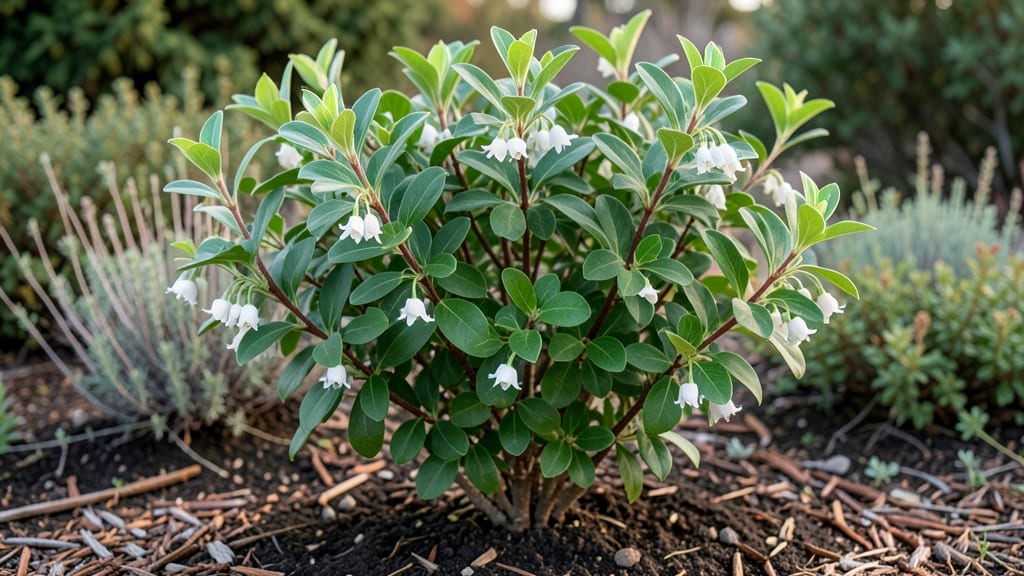
Growing Polaris blueberries means year-round harvests even in cold climates—something I never thought possible until I planted mine last spring. 🌱 This cold-hardy variety thrives where others freeze, producing sweet berries from early summer through fall, and sometimes even into winter with protection.
The secret lies in its ability to handle temperatures down to -20°F, making it perfect for zones 3-6 where traditional blueberries struggle.
First, you’ll need acidic soil (pH 4.5-5.5) and a sunny spot with at least 6 hours of sunlight daily. Polaris bushes grow 4-5 feet tall, so space them 5-6 feet apart to allow airflow and prevent disease.
Unlike highbush varieties, Polaris is a low-maintenance option—it’s self-pollinating, disease-resistant, and produces heavy yields with minimal fuss. The berries are large, firm, and burst with flavor, making them ideal for fresh eating, baking, or freezing.
Watering is critical in the first year to establish roots, but once established, Polaris handles drought better than most varieties. Feed with acid-loving fertilizer in early spring and again after harvest, and prune in late winter to shape the bush and encourage new growth.
With proper care, you’ll see harvests starting in year 3, and the plants can live—and produce—for decades.
What sets Polaris apart is its versatility—it grows in containers for small spaces, tolerates urban pollution, and even handles snow cover without damage. If you’ve ever dreamed of a blueberry bush that just works without fuss, this is it. Let’s get yours planted!
📚 In This Guide
- What you need
- Instructions
- Tips and common mistakes
- Wrapping up and next steps
What you need
- ● Polaris blueberry plants: 3–5 bare-root or container-grown plants (ensure they’re labeled as Vaccinium angustifolium or lowbush blueberries).
- ○ Well-draining soil: A mix of peat moss, sand, and compost (ratio: 3 parts peat moss, 1 part sand, 1 part compost). Optional: Use a pre-mixed acidic blueberry soil blend (pH 4.5–5.5).
- ● Organic mulch: 2–3 inches of pine needles, wood chips, or straw (helps retain acidity and moisture).
- ● Slow-release fertilizer: Acid-loving plant fertilizer (e.g., Osmocote or Miracle-Gro Azalea, Camellia & Rhododendron).
- ● Garden tools: Trowel or hand shovel
- ● Garden gloves
- ● Pruners (sterilized)
- ● Watering can or hose with a gentle nozzle (avoid overhead watering).
- ● pH testing kit (to monitor soil acidity).
- ○ Drip irrigation system or soaker hoses (optional but highly recommended for consistent moisture).
- ● Epsom salt: For magnesium boosts (1 tbsp per plant annually).
- ● Bird netting: To protect ripe berries from hungry birds. 🐦
- ● Row covers: Lightweight fabric to shield young plants from late frosts.
- ● Compost tea: For a natural nutrient boost during growing season.
- ● Blueberry companion plants: Like thyme, clover, or ferns (they thrive in acidic soil too!).
Step-by-step guide to planting and cultivating Polaris blueberry bushes
Here's how I've successfully grown this cold-hardy variety—from choosing the right site to harvesting juicy berries year after year.
🪴 Step 1: Select the Perfect Planting Site
Polaris blueberries thrive in full sun—at least 6-8 hours daily—but tolerate partial shade in hot climates. I always choose a spot with well-draining soil because soggy roots lead to root rot. Test drainage by digging a 12-inch hole and filling it with water—if it drains within an hour, you're good to go.
These bushes prefer slightly acidic soil (pH 4.5-5.5). If your soil tests higher, amend with peat moss or sulfur (follow package rates) before planting. I like to plant mine where they'll get morning sun and afternoon shade in summer—this prevents heat stress while maximizing fruit production.
🌱 Step 2: Prepare the Planting Hole and Soil
Dig a hole twice as wide as the root ball but only as deep—planting too deep suffocates roots. Loosen the soil at the bottom with a garden fork to encourage root spread. Mix the native soil with compost or well-rotted manure (about 5 gallons per bush) to improve fertility without overwhelming the plant.
Remove the Polaris blueberry from its container and gently tease apart any circling roots. Place it in the hole so the top of the root ball sits 1 inch above soil level—this prevents water from pooling around the stem. Backfill with your amended soil mix, pressing lightly to eliminate air pockets.
💧 Step 3: Water Deeply and Mulch Properly
Water immediately after planting to settle the soil and remove air gaps. Give each bush 1-2 gallons of water—enough to soak the root zone to 12 inches deep. Polaris blueberries establish slowly, so keep the soil consistently moist (not soggy) for the first 6-8 weeks. You'll know you're doing it right when the soil feels like a damp sponge.
Spread 3 inches of mulch (pine straw or wood chips) around the base, keeping it 3 inches away from the stem to prevent rot. Mulch conserves moisture, regulates soil temperature, and slowly acidifies the soil over time. Replenish mulch annually in late winter to maintain protection.
☀️ Step 4: Fertilize and Prune for Maximum Yield
Feed Polaris blueberries in early spring with an acid-loving plant fertilizer (look for high nitrogen in early season, balanced NPK later). I use ½ cup per bush of a 10-10-10 formula mixed into the soil around the drip line. Avoid high-nitrogen fertilizers after mid-summer—they promote leafy growth at the expense of fruit.
Prune in late winter or early spring before new growth begins. Remove dead, diseased, or crossing branches first, then cut back last year's fruit-bearing wood by ⅓ to encourage new canes. Polaris bushes produce fruit on second-year wood, so never prune more than 25% of the plant in one season—this keeps the bush productive.
⏰ Step 5: Harvest and Overwinter for Next Year
Polaris blueberries ripen 2-3 weeks earlier than most varieties, typically in late June to early July. Harvest when berries are deep blue and slightly soft to touch—they won't ripen further once picked. I pick every 2-3 days during peak season to avoid overripe berries dropping to the ground.
In fall, apply another 1-2 inches of mulch and water deeply before the first hard frost. Polaris bushes handle USDA Zone 3 temperatures but benefit from a 10-15 feet snow cover for winter protection. Prune lightly in late winter to remove any frost-damaged branches before new growth starts.
Tips & tricks for perfect Polaris blueberry plant cultivation
Between us, I've planted more Polaris blueberries than I can count—and these are the hard-won lessons that'll help your bushes thrive where others fail.
Sunlight Strategy: While the instructions mention 6-8 hours of sun, I've found that in hot climates, morning sun with afternoon shade actually produces sweeter berries. The afternoon heat can stress the plant, reducing yield. If you're in Zone 7 or warmer, consider planting on the north side of structures or using shade cloth during peak afternoon hours.
Soil pH Precision: Testing your soil's pH before planting is non-negotiable—these bushes are picky about acidity. I use a simple DIY test kit (costs about $10) and adjust with aluminum sulfate if needed. The goal is 4.5-5.5, but don't overshoot: pH below 4.0 can burn roots. Re-test after amending and again in spring before fertilizing.
Watering Wisdom: That first 6-8 weeks of consistent moisture is critical, but I've seen many gardeners overwater by accident. Use your finger to check soil moisture—it should feel like a damp sponge, not a wet sponge. In containers, water when the top inch feels dry. For in-ground plants, stick a screwdriver in—if it goes in easily, wait a day or two.
Mulch Maintenance: The 3 inches of mulch recommendation is perfect, but here's what nobody tells you: refresh it annually in late winter, and keep it 3 inches away from the stem to prevent rot. I use pine straw because it naturally acidifies the soil over time, but wood chips work too. Just avoid fresh wood chips—they can rob nitrogen from your soil as they decompose.
Pro Tips for Polaris Blueberry Plant
- Between us, I've planted more Polaris blueberries than I can count—and these are the hard-won lessons that'll help your bushes thrive where others fail.
- Sunlight Strategy: While the instructions mention 6-8 hours of sun, I've found that in hot climates, morning sun with afternoon shade actually produces sweeter berries.
- Soil pH Precision: Testing your soil's pH before planting is non-negotiable—these bushes are picky about acidity.
Frequently asked questions
Got questions about growing Polaris blueberry plants? You’re not alone! Here are answers to the most common queries to help you cultivate a thriving, cold-hardy blueberry bush with ease.
How cold can Polaris blueberries tolerate?
The Polaris blueberry plant is a true cold-hardy variety, surviving temperatures as low as -25°F (-32°C) without protection. Its hardiness (USDA Zones 2-6) makes it perfect for northern climates, but mulching in winter adds extra insulation for extreme dips. Pro tip: Use straw or shredded leaves to shield roots from freeze-thaw cycles!
How long does it take for Polaris blueberries to produce fruit?
Patience is key! Polaris blueberries typically take 2-3 years to bear fruit after planting. The first year focuses on root and bush establishment, while the second year may yield sparse berries. By year three, you’ll enjoy a full harvest—worth the wait! Boost production by fertilizing in early spring with an acidic blueberry-specific mix.
Can I grow Polaris blueberries in containers?
Polaris thrives in containers if the pot is at least 18-24 inches deep with drainage holes. Use a well-draining, acidic soil mix (pH 4.5-5.5) and repot every 2-3 years. Place containers in full sun (6+ hours daily) and water consistently—containers dry out faster than ground soil. Warning: Avoid plastic pots; they can leach chemicals and disrupt soil acidity.
Why aren’t my Polaris blueberries ripening?
Unripe blueberries often signal one of three issues: insufficient sunlight (move to sunnier spot), poor pollination (hand-pollinate with a paintbrush if bees are scarce), or nutrient deficiency (test soil pH and add iron/phosphorus if needed). Overwatering can also delay ripening—ensure soil drains well. Check for pests like spider mites, which stress plants and stunt fruit development.
Are Polaris blueberries self-pollinating?
Yes! Polaris blueberries are self-pollinating, meaning you don’t need multiple bushes for fruit production. However, planting a second variety nearby (like ‘Bluecrop’) can increase yield by 20-30% thanks to cross-pollination. Bonus: Birds and bees will thank you too—just ensure bushes are within 10 feet of each other for optimal pollination.
Wrapping up and next steps
Growing a Polaris blueberry plant is a rewarding journey that brings sweet, antioxidant-rich berries to your table—even in colder climates! 🌟 With the right soil, spacing, and care, you’ll enjoy year-round harvests and a thriving bush that outshines the competition.
Whether you’re a seasoned gardener or a beginner, this cold-hardy variety makes blueberry growing simple and delicious.
Ready to take the next step? Plant your Polaris blueberry today and watch your garden transform into a berry paradise! For extra tips, check out our blueberry care guide or tag us in your harvest photos—we’d love to see your progress! 📸