
Planting
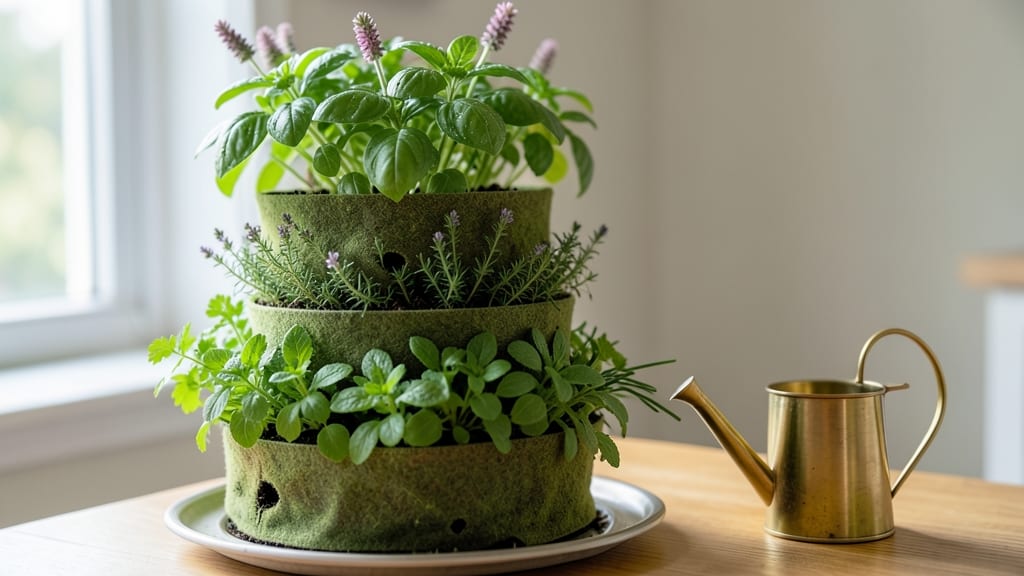
Stackable plant tower pots turned my cramped balcony into a thriving mini-farm. 🌱 These vertical gardens maximize space while giving you the freedom to grow herbs, veggies, or flowers without sacrificing yard room.
The best part? You can customize them to match your style or needs—whether you want sleek modern or rustic charm.
My first setup used three stacked pots for cherry tomatoes, basil, and peppers. Within 6 weeks, I had fresh harvests that outproduced my in-ground garden. The secret is choosing plants with similar water needs and ensuring good drainage—no soggy roots here.
You can also mix edibles with ornamental plants for a living wall that’s both beautiful and productive.
What you’ll love most is how these towers transform underutilized corners into green oases. They’re perfect for patios, balconies, or even indoor spots with bright light. Plus, the stackable design means you can expand upward instead of outward, keeping your space tidy while boosting your yield.
From hanging flower towers to salad gardens, the possibilities are endless. Whether you’re urban, space-challenged, or just love creative gardening, these pots let you grow more without growing your footprint. Let’s get started with your dream vertical setup!
Rooting Out The Issues
Vertical gardening with stackable plant towers is a game-changer for urban gardeners, but even the most innovative systems can face challenges. Understanding why problems arise—from wilting leaves to stagnant growth—helps you troubleshoot like a pro.
Below, we break down the science behind common issues and why they sneak up in your tower garden.
If your tower pots are drowning in excess moisture, the culprit is often compaction or improper soil mix. Unlike traditional pots, vertical systems rely on stacked layers, which can trap water between levels.
When soil stays soggy for too long, oxygen is crowded out, suffocating roots and inviting Pythium or Phytophthora—fungal pathogens that thrive in waterlogged conditions.
Why it happens:
- Soil composition: Heavy, clay-based mixes or peat-heavy blends retain too much water, slowing drainage. Ideal mixes should include 30-40% perlite or pumice to create air pockets.
- Layer compression: As you stack pots, the weight compresses soil below, reducing porosity. This is especially true in fabric grow bags or coco coir towers, which can shrink over time.
- No drainage holes: Some tower designs (like modular felt pockets) lack bottom holes, forcing water to pool at the base.
Actionable fix: Test your soil’s moisture retention by squeezing a handful—if water drips freely, it’s too wet. Add sand or vermiculite to improve aeration, and ensure each layer has at least one drainage hole (even if it’s just a small slit in the fabric).
Plants in tower gardens grow faster than their soil can replenish nutrients, leading to yellowing leaves, stunted growth, or weak stems. The issue stems from two key factors: limited soil volume and nutrient leaching.
Why it happens:
- Small root zone: Towers hold 10-30% less soil than ground-level pots, so roots exhaust nutrients quicker. Fast-growing greens (like lettuce) may deplete nitrogen in 3-4 weeks.
- Water flushing: Frequent irrigation (especially in hydroponic or self-watering towers) washes away soluble nutrients like nitrates, phosphates, and potassium.
- Microbe imbalance: Compacted or waterlogged soil reduces beneficial microbes (e.g., mycorrhizal fungi) that help break down organic matter into plant-available nutrients.
Actionable fix:
- Use a slow-release fertilizer (like OsmoCote) or liquid hydroponic nutrients (e.g., General Hydroponics Flora Series) every 2-3 weeks.
- Top-dress with compost or worm castings every month to feed microbes.
- For heavy feeders (tomatoes, peppers), swap out the top 2 inches of soil every 6 weeks to refresh nutrients.
Tower gardens often suffer from uneven light distribution, especially in multi-level setups. While top plants bask in sunlight, those on lower tiers may stretch (etiolation) or develop weak stems, leaving them prone to snapping.
Why it happens:
- Shading effect: Each stacked layer blocks 10-20% of light from reaching plants below. In a 4-tier tower, the bottom layer may receive only 50% of the light at the top.
- Incorrect plant placement: Tall varieties (like basil or dill) cast shadows on shorter plants (e.g., spinach or radishes) beneath them.
- Insufficient grow lights: If using artificial lighting, LED grow lights may not cover all tiers evenly, especially if mounted at the top.
Actionable fix:
- Arrange plants by height: Place tallest plants at the bottom and shortest at the top to maximize light exposure.
- Rotate the tower quarter-turn weekly to ensure even light distribution.
- For indoor setups, use full-spectrum LED panels with reflective surfaces to bounce light to lower tiers.
Tower gardens can become magnets for pests and pathogens due to their high humidity and close-quarter plantings. Fungus gnats, aphids, and powdery mildew thrive in the moist, shaded microclimates created by stacked pots.
Why it happens:
- Stagnant air: Stacked layers create poor airflow, trapping moisture and spores. Humidity levels can spike 20-30% higher in towers compared to open pots.
- Overwatering: Excess moisture in soil and fabric pockets provides the perfect breeding ground for fungal diseases (e.g., downy mildew) and root-rotting bacteria.
- Organic debris buildup: Fallen leaves, spent mulch, or decomposed plant matter in crevices attract pests like slugs or earwigs.
Actionable fix:
- Improve airflow: Space towers 6-12 inches apart and use a small fan on low settings to circulate air.
- Reduce moisture: Water at the base of the tower (not overhead) to avoid wetting foliage. Let the top inch of soil dry between waterings.
- Natural deterrents: Sprinkle diatomaceous earth around the base or introduce beneficial nematodes to combat soil pests.
Pro tip: 💡 Keep a pest/disease journal for your tower garden—note which issues arise after changes (e.g., more water, new fertilizer) to spot patterns early!
Quick Fixes for Common Plant Tower Problems
Vertical gardens are a fantastic way to grow lush greens in small spaces, but even the best stackable planters can face challenges. Whether it’s water drainage issues, root overcrowding, or pests, these practical solutions will help you keep your tower pots thriving with minimal stress.
Below, we’ve mapped common problems to easy fixes—plus prevention tips to avoid future headaches.
Problem: Water pooling at the bottom or drying out too fast. Why it happens: Poor drainage layers, inconsistent watering, or incorrect pot materials.
Solutions:
- 🔥 Add a Drainage Layer – If your tower lacks holes or a gravel base, repurpose a geotextile fabric or hydroponic net pots at the bottom to catch excess water while allowing airflow.
- 🍳 Adjust Watering Routine – Use a self-watering system (like a wick or drip irrigation) to maintain moisture without soggy roots. For succulents, water only when the top inch is dry.
- 👨🍳 Upgrade Your Soil Mix – Swap heavy garden soil for a lightweight, aerated blend (50% potting mix + 30% perlite + 20% coconut coir). This improves drainage while retaining moisture.
💡 Prevention Tip: Test your tower’s water flow by filling it halfway, then checking the bottom after 30 minutes. If water sits, add more coarse sand or expanded clay pebbles as a drainage buffer.
Problem: Roots circling the edges, stunted growth, or plants falling over. Why it happens: Limited root space, lack of pruning, or overpacking plants.
Solutions:
- 🔪 Prune Roots & Thinning – Gently remove plants, trim 1/3 of the roots, and space them farther apart. Use sterilized scissors to avoid disease.
- ⏰ Rotate Your Tower – Every 2–3 weeks, turn the tower 90 degrees to ensure even sunlight exposure. This prevents lopsided growth.
- 🌱 Choose Tower-Friendly Plants – Opt for fast-growing, shallow-rooted varieties like herbs (basil, mint), leafy greens (kale, lettuce), or trailing plants (strawberries, cherry tomatoes).
🌡️ Prevention Tip: If using modular pockets, avoid overfilling—roots need room to breathe. Leave 1–2 inches of space between plants in each section.
Problem: Spider mites, fungus gnats, or black mold creeping between layers. Why it happens: High humidity, stagnant water, or poor airflow in enclosed towers.
Solutions:
- ✨ DIY Pest Sprays – Mix 1 tsp neem oil + 1 tsp dish soap + 1 quart water and spray early morning (avoid direct sunlight). Repeat weekly.
- 🌿 Improve Airflow – Space towers 6–12 inches apart and use a small fan on low (2–3 hours/day) to reduce humidity.
- 🧼 Clean Between Layers – Wipe down plastic/metal frames with a 1:10 bleach-water solution (rinse well). For fabric pockets, sun-dry weekly to kill mold spores.
🎯 Prevention Tip: Quarantine new plants for 2 weeks before adding them to your tower. Check leaves for eggs or webbing before introducing them.
Problem: Yellowing leaves, weak stems, or slow growth despite regular watering. Why it happens: Soil depletion, lack of fertilizers, or compacted nutrients in small spaces.
Solutions:
- 📊 Feed with Slow-Release Fertilizer – Use osmocote pellets or fish emulsion (diluted to half-strength) every 4–6 weeks. Avoid over-fertilizing—it burns roots!
- 🥗 Boost with Compost Tea – Brew 1 cup worm castings in 1 gallon water for 24 hours, then strain and water plants. Rich in microbes for natural growth.
- 🍎 Rotate Nutrient Types – Alternate between nitrogen-heavy (for leaves) and potassium-rich (for flowers/fruits) fertilizers based on your plants’ needs.
🔥 Pro Tip: If using hydroponic towers, flush the system monthly with plain water to prevent salt buildup from fertilizers.
Final Thought: Most vertical garden struggles stem from poor drainage, overcrowding, or neglect—but with these fixes, your stackable planters will stay healthy and productive. Start with one adjustment (like improving drainage or pruning), then build from there. Happy growing! 🌱
Frequently asked questions
What types of plants work best in stackable vertical pots?
Herbs like basil, mint, and parsley thrive in vertical pots due to their shallow roots and fast growth. Leafy greens (spinach, lettuce) and trailing plants (strawberries, cherry tomatoes) also excel here. Avoid deep-rooted plants like carrots or potatoes—they need more space. For edible flowers, try nasturtiums or marigolds.
How do I prevent water from leaking between stacked layers?
Use waterproof silicone sealant between layers or place geotextile fabric between pots to catch drips. For fabric-based towers, ensure each pocket has its own drainage hole at the bottom. A small tray below the tower will also collect any overflow and keep your surface dry.
Can I use plant tower pots indoors near a window?
Yes! Place them in a south- or west-facing window for 6+ hours of sunlight daily. For north-facing windows, supplement with a LED grow light (12-14 hours/day). Rotate the tower weekly to prevent uneven growth. Avoid drafty spots near AC vents or heaters.
How often should I fertilize plants in vertical pots?
Use a balanced liquid fertilizer (like 10-10-10) every 2-3 weeks during growing season. For slow-release options, mix granular fertilizer into the soil at planting. Herbs and greens need more frequent feeding than fruiting plants—adjust based on leaf color (yellow = hungry!).
What's the best way to clean and reuse old plant tower pots?
Disassemble the tower and soak all components in a 1:10 bleach-water solution for 10 minutes, then rinse thoroughly. Scrub fabric pockets with mild soap and sun-dry to kill mold. For plastic/metal frames, use vinegar to remove mineral deposits. Never reuse soil—always refresh with new potting mix.