
Planting
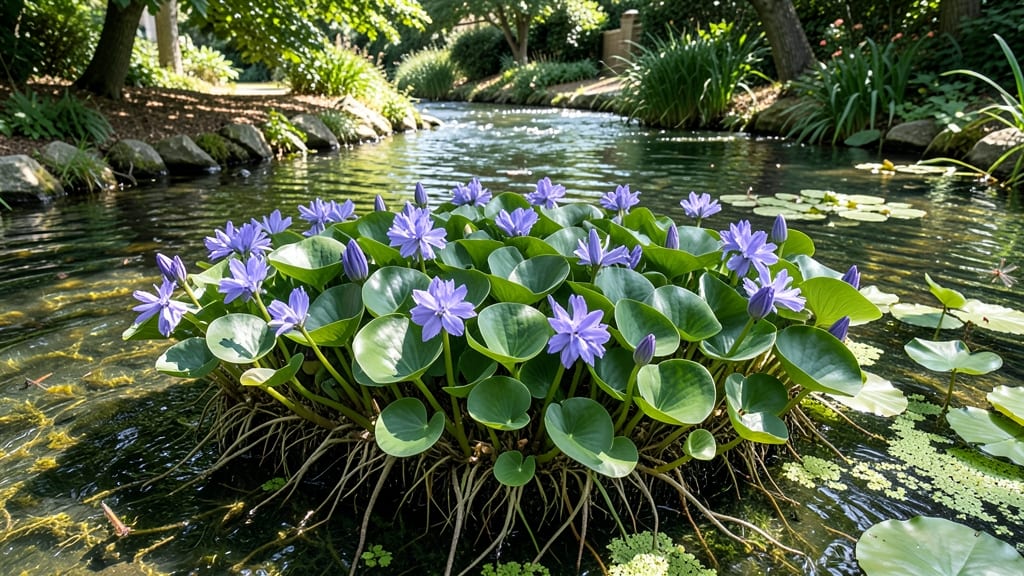
River ecosystems support diverse plant life through unique adaptations like flexible stems, submerged roots, and specialized photosynthesis, which help clean water, stabilize banks, and create critical habitats for wildlife while absorbing excess carbon.
Rivers host some of the most resilient plant species on Earth, evolving traits to withstand constant currents and shifting water levels. Floating plants like water hyacinth spread rapidly to absorb excess nutrients, while emergent species such as cattails anchor banks with deep roots.
These adaptations aren't just survival tricks—they're ecological superpowers, filtering pollutants and providing shelter for fish, amphibians, and insects. 🌿 What's fascinating is how some plants even release oxygen during photosynthesis at night, keeping waterways breathable around the clock.
Beyond their survival skills, river plants act as nature's water treatment systems. Submerged species like pondweed absorb heavy metals and excess nutrients that would otherwise fuel harmful algae blooms. Meanwhile, their dense growth slows water flow, reducing erosion and creating calm pockets where young fish can hide from predators.
The best part? Many of these plants are also edible or medicinal, offering practical benefits to both wildlife and humans.
💡 In This Article
- How River Plants Adapt to Flowing Water Environments
- Key River Plants and Their Ecological Impact
How river plants adapt to flowing water environments
River plants have evolved remarkable physiological adaptations to thrive in fast-moving water. One of the most critical is aerenchyma tissue—a spongy, air-filled structure that allows oxygen to reach submerged roots while preventing water from entering.
This tissue can make up to 20-30% of a plant's stem volume in species like water lilies, acting like a built-in snorkel system. 🌿 The flexible stems of many aquatic plants, such as cattails, bend with currents rather than breaking, while their roots anchor into sediment with specialized rhizomes that spread horizontally to stabilize banks.
Different plant types exhibit distinct adaptations based on their position in the water column. Emergent plants like pickerelweed grow above the surface with roots submerged, using lenticels (porous tissue) to exchange gases efficiently. Submerged species such as pondweed have thin, ribbon-like leaves that maximize surface area for light absorption in low-light conditions, while their roots secrete mucilage to trap nutrients.
Floating plants like water hyacinth develop petioles that keep leaves above water, even in 1-2 mph currents, and their roots dangle to absorb dissolved nutrients.
The way these plants reproduce is equally ingenious. Many river species rely on buoyant seeds or fragmentation—where stems break off and root elsewhere—rather than relying on wind or animals.
For example, water chestnuts produce spiky fruits that float downstream until they lodge in sediment, while duckweed reproduces asexually at rates of 1-2 generations per week in ideal conditions. These strategies ensure survival even when floods scour away entire plant populations. 💫
Another fascinating adaptation is their photosynthetic efficiency. Unlike terrestrial plants, many aquatic species can perform photosynthesis using blue-green light, which penetrates deeper into water. Some, like elodea, even have CO₂-concentrating mechanisms that allow them to thrive in low-oxygen environments.
This efficiency is crucial because river water often contains only 10-20% of the CO₂ found in air, forcing plants to work harder to access carbon.
Consider how these adaptations work together in a single species like the water crowfoot. Its feathery leaves maximize light capture, while its tuberous roots store nutrients during dry periods.
When floods arrive, the plant's flexible stems allow it to stretch and reorient, ensuring leaves stay exposed to sunlight even as water levels rise. This multi-layered resilience explains why river plants dominate some of the most challenging ecosystems on Earth. ✨
The trade-off? These adaptations often come with slower growth rates compared to terrestrial plants.
River plants invest energy in structural reinforcement rather than rapid biomass production, which is why a single cattail might take 3-5 years to reach maturity—yet once established, it can live for decades, continuously filtering water and stabilizing banks. 🌊