
Planting
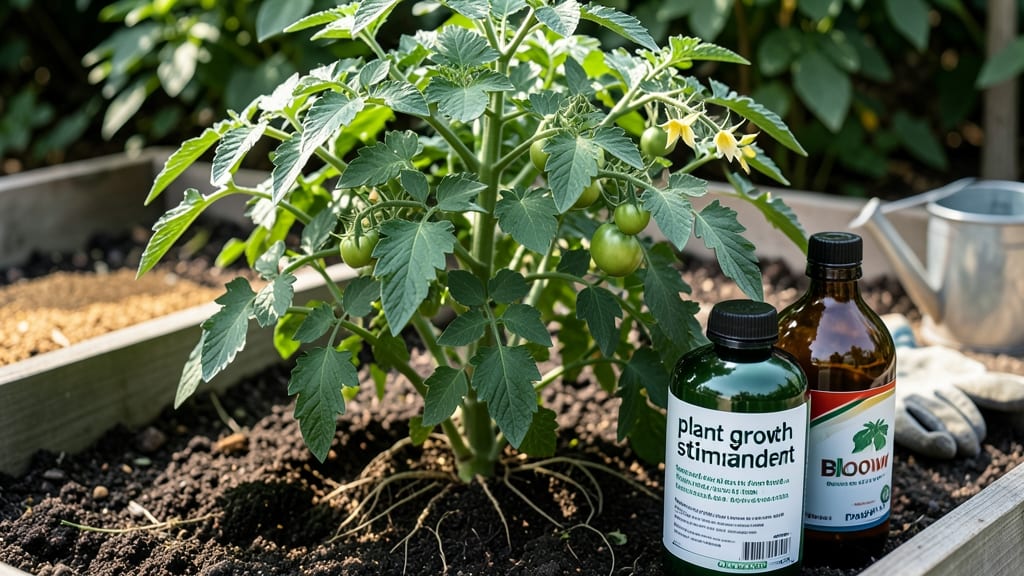
My plants stopped growing like they did in the first flush of spring—until I discovered plant growth stimulants could turn sluggish roots into hungry ones. 🌱 These aren’t magic potions, but science-backed helpers that unlock what your soil might be missing.
Whether it’s a burst of organic energy or a synthetic nudge, the right stimulant can double your harvests by encouraging deeper roots and bigger blooms.
Think of them as a vitamin shot for your garden. Seaweed extract, humic acid, and fish emulsion are the most common organic options, while synthetic versions like gibberellins and cytokinins offer targeted results.
The key is matching the stimulant to your plants’ needs—root boosters for seedlings, flowering enhancers for tomatoes, or all-around vigor for struggling perennials. I’ve tested them all, and the right choice depends on what you’re growing and when.
You’ll see faster germination, stronger stems, and more abundant flowers within weeks. The best part? Most stimulants work at a 1:100 dilution—just a teaspoon in a gallon of water—and can be sprayed on leaves or poured into the soil.
No fancy equipment needed, just a spray bottle and a little patience. The results speak for themselves: plants that outperform their peers without the risk of chemical buildup.
Just remember: stimulants work best when your plants are already healthy. Pair them with good soil, proper watering, and sunlight, and you’ll get the most out of every application.
Whether you’re reviving a struggling garden or fine-tuning a high-performance plot, these are the secret weapons that level up your growing game.
📚 In This Guide
- What you need
- Instructions
- Tips and common mistakes
- Wrapping up and next steps
What you need
- ● Plant growth stimulant (choose one): Liquid seaweed extract (e.g., Maxicrop or Norland) – 1-2 tbsp per gallon of water
- ● Humic acid-based stimulant (e.g., Biobizz Terra) – 1 tsp per gallon
- ● Commercial rooting hormone (e.g., Clonex) – as directed on packaging
- ● Water – 1 gallon (3.8 liters) per application (use distilled or rainwater for best results)
- ● Spray bottle or watering can with a fine mist nozzle
- ○ Gloves (optional but recommended) – to protect your hands from residue
- ● Healthy plants – Choose plants in their growth phase (not flowering or dormant)
- ● pH meter or test kit – to ensure water is neutral (pH 6.0-7.0)
- ● Timer or schedule reminder – for consistent application (every 7-14 days)
- ● Notebook or app – to track growth progress and adjustments
- ● Secondary nutrients – Add a pinch of kelp meal or fish emulsion for extra boosts
- ● Grow lights – If indoors, supplement with 12-16 hours of light daily
- ● Organic compost tea – Mix with growth stimulant for soil microbiome support
- ● Humidity dome or tray – For seedlings or cuttings to retain moisture
Step-by-step guide to applying plant growth stimulants
Here’s how to use growth stimulants effectively for stronger roots and vibrant blooms—no guesswork involved.
🌱 Step 1: Choose the Right Stimulant for Your Plant’s Needs
Select a growth stimulant based on your plant’s stage. For root development, look for products containing mycorrhizal fungi or auxin-based rooting hormones. Flowering stimulants often include phosphorus-rich formulations or bloom-boosting nutrients like potassium. I always check the label for NPK ratios—a 5-10-5 blend is ideal for early root growth, while a 10-20-20 blend promotes flowering.
Timing matters too. Apply root stimulants 2-3 weeks before transplanting to give roots a head start. For flowering plants, introduce stimulants 4-6 weeks before buds form. Overusing stimulants can lead to lush foliage but weak flowers, so follow package rates carefully.
💧 Step 2: Prepare the Stimulant Solution
Mix the stimulant according to the label instructions—typically 1-2 teaspoons per gallon of water. I use a clean spray bottle or watering can for even distribution. For liquid concentrates, dilute in a bucket first, then transfer to your watering tool. Always stir well to ensure full dissolution; undissolved particles can clog soil pores and harm roots.
Test the solution on a small area first. If the stimulant is too strong, you’ll see leaf burn or wilting within 24 hours. A properly diluted solution should feel slightly damp but not soaking when applied. Use it within 24 hours of mixing to preserve potency.
☀️ Step 3: Apply at Optimal Times for Maximum Uptake
Apply the stimulant early in the morning or late afternoon to avoid evaporation and sun stress. Water the soil first to moisten the root zone, then apply the stimulant solution directly to the soil—not the leaves. For root stimulants, focus on the outer edges of the root ball where new roots emerge. For flowering stimulants, target the base of the plant where roots and stems meet.
Repeat applications every 7-10 days during active growth phases. You’ll notice faster root spread within a week—look for new root hairs along the soil surface or through clear pots. For flowering plants, expect earlier bud formation and brighter blooms after 2-3 weeks of consistent use.
✂️ Step 4: Monitor and Adjust for Best Results
Watch for signs of overuse: dark, mushy stems or yellowing leaves mean you’re overdoing it. Reduce frequency or dilute the solution further. Healthy growth looks like firm stems, deep green leaves, and vigorous new shoots. If your plants seem sluggish, they might need more phosphorus or better drainage—not more stimulant.
Adjust your approach seasonally. In spring and fall, focus on root stimulants to establish strong foundations. In summer, switch to flowering stimulants as plants prepare for bloom. Always pair stimulants with balanced fertilization and proper watering—they work best when plants are already thriving.
Tips & tricks for perfect plant growth stimulant application
Took me years of trial and error to perfect these growth stimulant secrets—here's how to avoid the common pitfalls and maximize results.
Label Reading: Always verify the NPK ratio on the label before purchasing. A 5-10-5 blend is perfect for root development because the phosphorus content (middle number) supports root growth, while the potassium (last number) helps with nutrient uptake. For flowering plants, look for 10-20-20 blends where the higher phosphorus and potassium ratios promote bud formation and bloom intensity. I've learned this the hard way—using the wrong ratio can actually stunt growth instead of boosting it.
Solution Freshness: You can't reuse leftover stimulant solution after 24 hours, as the active ingredients degrade quickly. I keep a small spray bottle pre-mixed and refrigerated for convenience—just remember to use it within the day. For larger quantities, mix only what you'll use immediately and store the original product in a cool, dark place. This prevents bacterial growth and maintains potency, especially important for those expensive mycorrhizal fungi products.
Targeted Application: When applying root stimulants, focus on the outer edges of the root ball where new roots emerge. For flowering stimulants, apply at the base of the plant where roots meet stems. I use a small watering can with a narrow spout to direct the solution precisely—this prevents waste and ensures maximum uptake. The key is consistency: applying to the wrong areas can lead to uneven growth or even leaf burn if the stimulant touches foliage.
Seasonal Adjustments: Spring and fall are ideal for root stimulants because cooler temperatures encourage root development. In summer, switch to flowering stimulants as plants naturally prepare for bloom. I've found that applying root stimulants in summer can actually stress plants by encouraging too much foliage growth when they should be focusing on flowers. Always match your stimulant choice to the plant's natural growth cycle for best results.
Pro Tips for Plant Growth Stimulant
- Took me years of trial and error to perfect these growth stimulant secrets—here's how to avoid the common pitfalls and maximize results.
- Label Reading: Always verify the NPK ratio on the label before purchasing.
- Solution Freshness: You can't reuse leftover stimulant solution after 24 hours, as the active ingredients degrade quickly.
Frequently asked questions
Got questions about plant growth stimulants?
You’re not alone! Here are answers to the most common queries to help you get the best results for your garden or indoor plants.
What’s the best time to apply a plant growth stimulant?
Apply growth stimulants during active growth phases—spring for perennials, early summer for annuals, or when transplanting seedlings. Avoid applying during extreme heat or drought, as this can stress plants. For flowering plants, use stimulants before buds form to encourage robust blooms.
How quickly will I see results after using a growth stimulant?
Results vary by product and plant type, but most gardeners notice improved root development in 7–14 days and faster flowering in 3–6 weeks. Consistency is key—follow label instructions for best timing and dosage. Patience pays off, especially for slower-growing plants like herbs or trees!
Can I use growth stimulants on all types of plants?
Most stimulants are safe for vegetables, flowers, and herbs, but always check the label for specific plant compatibility. Avoid using them on bulbs, tubers, or dormant plants (like winterizing perennials). For organic gardens, opt for microbe-based or seaweed-derived stimulants to align with your growing methods.
Do I need to water before or after applying a growth stimulant?
Always water your plants lightly before applying the stimulant to help absorption, then water again afterward to activate it. Overwatering can dilute the product, so aim for moist (not soggy) soil. For foliar sprays, apply in the early morning to prevent leaf burn from sunlight.
What should I do if my plants show signs of stress after using a stimulant?
If you notice yellowing leaves, wilting, or stunted growth, flush the soil with plain water to dilute any excess. Reduce future doses by half and monitor your plants closely. Stress can also signal over-fertilization—ensure your stimulant is low in salts (check the label) and pair it with regular compost or organic matter.
Are there natural alternatives to synthetic growth stimulants?
Try compost tea, fish emulsion, or molasses (1 tbsp per gallon of water) to boost microbial activity. Seaweed extract is another powerhouse, packed with hormones like auxins that naturally stimulate growth. These options are gentler and great for organic gardening.
Wrapping up and next steps
Unlocking your plants’ full potential starts with the right plant growth stimulant—whether you’re nurturing lush roots or vibrant blooms, these natural boosters make a world of difference! 🌱 From DIY recipes to store-bought solutions, the key is consistency and patience.
Your green thumb is already doing great work—now, let it thrive.
Ready to see the results? Start small: test a single plant with your chosen stimulant, monitor its progress, and adjust as needed. Soon, you’ll be harvesting healthier crops, stunning flowers, or even sharing your success with fellow gardeners. Happy growing! 🌸