
Planting
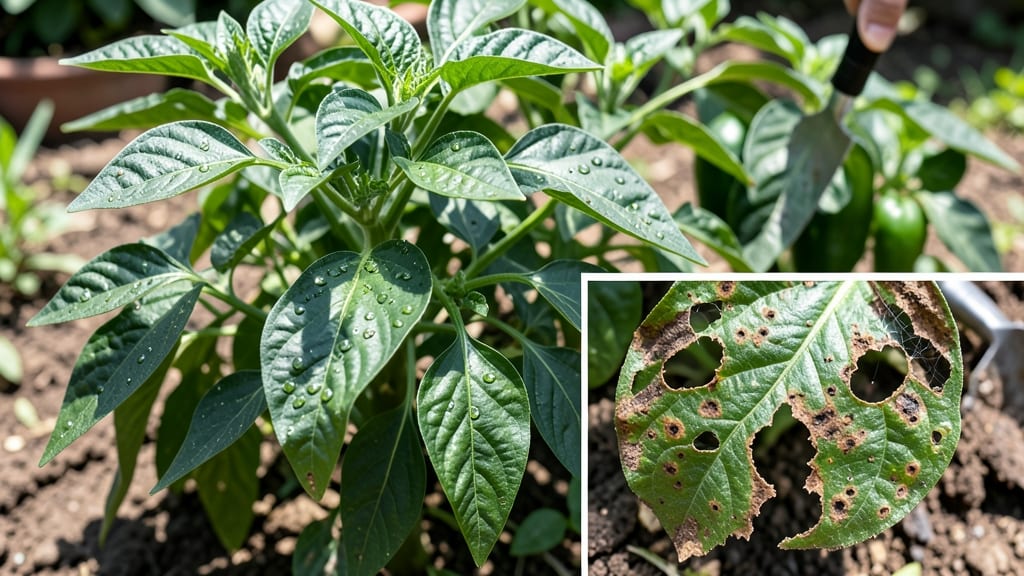
Your pepper plant damage looks worse than my first attempt at braiding hair—sad, wilted, and full of holes. 🌱 The good news? Most damage is fixable with the right moves, and I’ve revived enough pepper plants to know exactly what works.
Whether it’s aphids sucking the life out of your leaves or blight turning them to mush, we’ll tackle it fast and get those plants back to producing spicy, healthy peppers.
Overwatering, pests, or even just too much sun can turn your thriving peppers into a mess. The key is acting fast—within a day or two of noticing damage—and using the right fixes.
I’ve seen plants bounce back in just a week with the correct care, while others lingered in poor shape because of delayed action. Think of this as a damage control checklist: inspect, identify, and treat.
You’ll learn to spot the early warning signs—yellowing leaves, sticky residue, or weird spots—and how to stop the damage before it spreads. Organic sprays, pruning the right way, and adjusting your watering schedule can make all the difference.
By the end, your peppers will be healthier than ever, and you’ll know exactly how to keep them that way.
This works for all pepper varieties, whether you’re growing sweet bell peppers, jalapeños, or habaneros. The fixes are simple, the tools are basic, and the payoff is worth it—no more wasted harvests or sad-looking plants. Let’s get those peppers back in fighting shape!
Root Causes Behind Pepper Plant Woes
Understanding why your pepper plants show signs of distress is the first step toward saving them. Below, we break down the most common culprits behind pepper plant damage—each with a clear scientific explanation and actionable insights.
Pepper plants (Capsicum annuum and relatives) thrive in warmth (70–85°F during the day, 60–70°F at night). When temperatures stray too far from this range, they suffer:
- Cold Damage (Below 50°F):
- Why? Cold slows metabolic processes, leading to chlorophyll breakdown (yellowing leaves) and cell membrane damage (blackened or mushy tissues).
- Actionable Fix: Use row covers or cloche tunnels to shield plants. Avoid planting until soil temps hit 60°F+.
- Heat Stress (Above 90°F): - Why? High temps disrupt photosynthesis by closing stomata (pores), reducing CO₂ intake. This causes leaf scorch (brown, crispy edges) and blossom drop (no fruit). - Actionable Fix: Provide afternoon shade (30–50% shade cloth) and mulch to keep roots cool.
Drip irrigation at soil level helps regulate temperature.
Pepper plants are sensitive to moisture imbalances, which lead to: - Overwatering (Waterlogged Soil): - Why? Poor drainage causes root rot (Phytophthora or Pythium fungi), which suffocates roots by blocking oxygen.
Signs: Yellowing leaves, wilting despite wet soil, foul-smelling roots. - Actionable Fix: Use well-draining soil (add perlite or compost) and elevate pots if container-grown. Water only when the top 1–2 inches of soil are dry.
- Underwatering (Drought Stress): - Why? Lack of water triggers osmotic stress, causing cells to shrink. Leaves curl inward, turn crispy, and may drop. Fruit can blossom end rot (black, leathery patches). - Actionable Fix: Water deeply 1–1.5 inches per week (more in heat).
Use drip irrigation to deliver water directly to roots.
Pests and pathogens exploit stressed plants, but even healthy peppers can fall victim. Common offenders:
| Pest/Disease | Damage Signs | Why It Happens | Quick Fix |
|---|---|---|---|
| Aphids | Sticky honeydew, curled leaves | Pierce plant cells to feed on sap, spreading viral diseases. | Spray with neem oil or introduce ladybugs. |
| Spider Mites | Yellow stippling, webbing | Thrive in dry, hot conditions; suck chlorophyll, causing pale spots. | Increase humidity (mist plants) or use horticultural oil. |
| Fungal Leaf Spot | Dark spots with yellow halos | Spread by overhead watering or high humidity; clogs stomata, blocking gas exchange. | Remove infected leaves; apply copper fungicide every 7–10 days. |
| Blossom End Rot | Black, sunken patches on fruit | Caused by calcium deficiency (often from uneven watering) or pH imbalances. | Side-dress with crushed eggshells or calcium nitrate. Keep soil moist. |
Peppers need a balanced diet—too little or too much of key nutrients leads to damage:
- Nitrogen (N) Deficiency:
- Symptoms: Pale yellow leaves (starting on older leaves).
- Why? Nitrogen fuels leaf growth. Lack of it stunts chlorophyll production.
- Fix: Add compost or blood meal (high-N organic fertilizer).
- Phosphorus (P) Deficiency:
- Symptoms: Purple stems/leaves, delayed flowering/fruiting.
- Why? Phosphorus aids energy transfer in plants. Stress (like drought) worsens it.
- Fix: Use bone meal or rock phosphate at planting.
- Potassium (K) Deficiency:
- Symptoms: Yellow edges on older leaves, weak stems.
- Why? Potassium regulates water and nutrient movement. Poor soil or leaching causes it.
- Fix: Apply greensand or wood ash (moderately).
- Toxicity (e.g., Too Much Salt):
- Symptoms: Brown leaf tips, crispy edges.
- Why? Excess salts (from tap water or fertilizers) disrupt cell function.
- Fix: Flush soil with rainwater; use distilled water for containers.
Even ideal conditions can go wrong if mechanical or environmental factors interfere:
- Transplant Shock:
- Why? Roots break during repotting, or sudden environmental changes (wind, temp shifts) trigger oxidative stress.
- Fix: Harden off seedlings (acclimate to outdoor conditions over 1 week). Water deeply post-transplant.
- Wind Burn:
- Why? Strong winds desiccate leaves by increasing transpiration (water loss) faster than roots can replace it.
- Fix: Plant in sheltered spots or use windbreaks (burlap screens).
- Poor Soil Structure:
- Why? Compacted or rocky soil restricts root growth, limiting water/nutrient uptake.
- Fix: Amend soil with compost or coconut coir to improve aeration.
Not all peppers are created equal—some varieties are more susceptible to specific issues:
- Hot Peppers (e.g., Habanero, Carolina Reaper):
- Often sensitive to cold and blossom drop under stress.
- Fix: Start seeds indoors 8–10 weeks early and use black plastic mulch to warm soil.
- Bell Peppers:
- Prone to blossom end rot due to calcium uptake issues.
- Fix: Side-dress with gypsum (calcium sulfate) mid-season.
Many damage signs start with one issue (e.g., underwatering) but escalate into others (e.g., pest infestations, fungal growth). Isolate the primary stressor first—fix watering before blaming pests! Use a plant health checklist to diagnose: 1.
Check soil moisture (stick your finger in—dry? Wet?). 2. Inspect leaves (yellow = nutrient issue? Brown = pest/toxicity?). 3. Monitor new growth (slow = temperature/nutrient problem).
Quick Fixes for Reviving Damaged Peppers
A damaged pepper plant doesn’t mean the end of your harvest—with the right care, you can nurse it back to health and even prevent future issues. Below are practical, step-by-step solutions tailored to common causes of pepper plant damage, from pests to environmental stress.
Follow these fixes, and your plants will be thriving in no time!
🔥 Fungal Issues (Powdery Mildew, Blight, or Rust)
If your pepper leaves look dusty, spotted, or covered in mold, fungi are likely the culprit. Act fast to stop the spread:
- 🍳 Remove Infected Parts – Snip off and discard (don’t compost!) severely damaged leaves to prevent spores from spreading. - 👨🍳 Apply Fungicide – Use a copper-based fungicide (like Bordeaux mixture) or a neem oil spray (1 tbsp neem oil + 1 tsp mild soap per quart of water).
Spray both sides of leaves and repeat every 7–10 days until the issue clears. - 🌡️ Improve Airflow – Space plants 12–18 inches apart and prune crowded branches to reduce humidity buildup. - ✨ Prevention Tip – Water at the base (not overhead) and avoid wetting leaves. Rotate crops yearly to prevent soil-borne fungi.
🐞 Aphids, Spider Mites, or Whiteflies
Tiny pests sucking the life out of your peppers? Squash them early before they multiply:
- 🔪 Blast Them Off – Spray plants with a strong stream of water (aphids hate this!) or use insecticidal soap (1.5 tbsp per gallon of water). Reapply every 3–5 days. - 🍎 Introduce Beneficial Bugs – Ladybugs, lacewings, and parasitic wasps love eating these pests.
Buy them online or attract them with dill or marigold plants. - 🌿 Neem Oil Spray – Mix 2 tbsp neem oil + 1 tsp soap per gallon of water and spray early in the morning (avoid direct sunlight). - 🎯 Prevention Tip – Inspect new plants before bringing them home. Yellow sticky traps can catch flying pests like whiteflies.
🐛 Hornworms or Caterpillars
Those green, striped monsters can devour a plant overnight! Handpick them—it’s the fastest fix:
- 👨🍳 Handpick & Drop in Soap Water – Check leaves daily (especially undersides) and drop worms into a bucket of soapy water. - 🐛 Use BT (Bacillus Thuringiensis) – A natural bacterial spray (like Thuricide) kills caterpillars without harming bees.
Reapply after rain. - 🌿 Plant Companion Flowers – Basil, marigolds, or nasturtiums repel pests naturally. - ✨ Prevention Tip – Remove egg masses (tiny white clusters) from leaves before they hatch.
🔥 Sunburn or Heat Stress (Yellowing, Crispy Leaves)
Too much sun or scorching heat can fry your peppers. Shade and hydration are key:
- 🌿 Provide Afternoon Shade – Use shade cloth (30–50%) or move pots to a spot with dappled sunlight (especially in 90°F+ weather).
- 💧 Deep Watering – Water deeply 1–2 times per week (not daily shallow watering) to encourage strong roots.
- 🥗 Mulch Heavily – Apply 2–3 inches of straw or wood chips to retain moisture and cool roots.
- 🎯 Prevention Tip – Avoid transplanting in peak heat—wait until morning or evening. Black plastic mulch can also warm soil in cooler climates.
🥶 Cold or Frost Damage (Blackened, Mushy Leaves)
Frost can kill pepper plants overnight. If you catch it early, revival is possible:
- 🔥 Cover Immediately – Use frost cloth, old blankets, or cardboard boxes to trap heat. Remove during the day to avoid overheating.
- 🌡️ Move Indoors (Temporarily) – If frost is forecast, bring potted peppers into a garage or sunroom (but not below 50°F).
- 💪 Prune Damaged Growth – Cut back blackened stems to healthy green tissue (sterilize scissors with rubbing alcohol).
- ✨ Prevention Tip – Plant after the last frost date (peppers hate cold—they need warm soil (70°F+) to germinate). Use row covers for early spring planting.
💧 Overwatering or Root Rot (Yellow Leaves, Wilting, Bad Smell)
Too much water drowns roots and invites rot. Drainage and balance are critical:
- 🔪 Check the Roots – Gently dig around the base—healthy roots are firm and white; rotten roots are mushy and brown. - 🌿 Repot if Needed – If roots are rotting, trim the bad parts, dust with cinnamon (natural antifungal), and repot in fresh, well-draining soil. - 💧 Adjust Watering – Only water when the top 1–2 inches of soil are dry.
Use pots with drainage holes and raise containers on feet to prevent soggy soil. - 🎯 Prevention Tip – Avoid clay pots in hot climates (they dry out fast but can also trap moisture). Perlite or vermiculite in soil improves drainage.
📊 Yellow Leaves (Nitrogen Deficiency)
Pale or yellowing leaves? Your peppers are hungry for nitrogen:
- 🍳 Feed with Balanced Fertilizer – Use a 10-10-10 or 5-5-5 fertilizer (or compost/manure tea) every 2–3 weeks during growing season.
- 🥗 Side-Dress with Compost – Sprinkle aged compost or worm castings around the base (but not touching stems).
- 🌿 Use Coffee Grounds – Dry coffee grounds (1 cup per plant) are high in nitrogen—sprinkle and water in.
- ✨ Prevention Tip – Test soil before planting (ideal pH: 6.0–6.8). Over-fertilizing burns roots—follow package instructions!
💪 Weak Stems or Purple Leaves (Phosphorus/Potassium Lack)
Leggy plants or dark purple undersides? They need P & K for strength:
- 🍎 Use Banana Peel Tea – Soak banana peels in water for 2 weeks, strain, and water plants (rich in potassium).
- 🥗 Bone Meal (for Phosphorus) – Sprinkle 1 tbsp bone meal per plant and lightly scratch into soil.
- 🌿 Kelp Meal or Wood Ash – Kelp meal adds potassium, while wood ash (sparingly) boosts potassium and raises pH slightly.
- 🎯 Prevention Tip – Rotate crops (don’t plant peppers in the same spot yearly) to prevent nutrient depletion.
No matter the issue, these universal fixes help speed up recovery:
- 🌿 Prune for Airflow – Trim crowded or dead branches to improve light and airflow.
- 💧 Morning Watering – Water early in the day so leaves dry quickly (prevents fungi).
- 🌡️ Monitor Temperature – Peppers thrive in 70–85°F. Avoid sudden temperature swings.
- 🌱 Boost with Epsom Salt – For magnesium deficiency (yellow between veins),
Frequently asked questions
Why are my pepper plant leaves turning yellow?
Yellowing leaves usually signal overwatering or nutrient deficiency. Check soil moisture first—if soggy, reduce watering and improve drainage. If leaves are pale yellow (especially older ones), your plants need nitrogen. Try compost tea or a balanced fertilizer like 10-10-10.
How do I know if my pepper plant has root rot?
Look for yellowing leaves, wilting despite wet soil, and a foul smell at the base. Gently dig around the roots—healthy roots are firm and white, while rotten ones are mushy and brown. If confirmed, repot in fresh soil after trimming affected roots and dusting with cinnamon.
What should I do if my pepper plants get frost damage?
Cover plants immediately with frost cloth or blankets to protect them. Remove covers during the day to avoid overheating. Prune back any blackened stems to healthy green tissue (sterilize scissors first), and avoid watering until new growth appears. For severe damage, wait until warmer weather to see if regrowth occurs.
Can I still harvest peppers from a damaged plant?
Yes! Even if leaves are damaged, peppers still form on healthy stems. Focus on reviving the plant first—fix watering, pests, or nutrient issues. Harvest any mature peppers (they won’t ripen further once picked) and redirect energy to new growth by pruning damaged foliage.
How often should I inspect my pepper plants for damage?
Check plants 2–3 times per week during growing season, focusing on leaf undersides (pests love hiding there) and new growth. Early detection is key—catch aphids or fungal spots before they spread. Morning inspections work best when leaves are dry.