
Planting
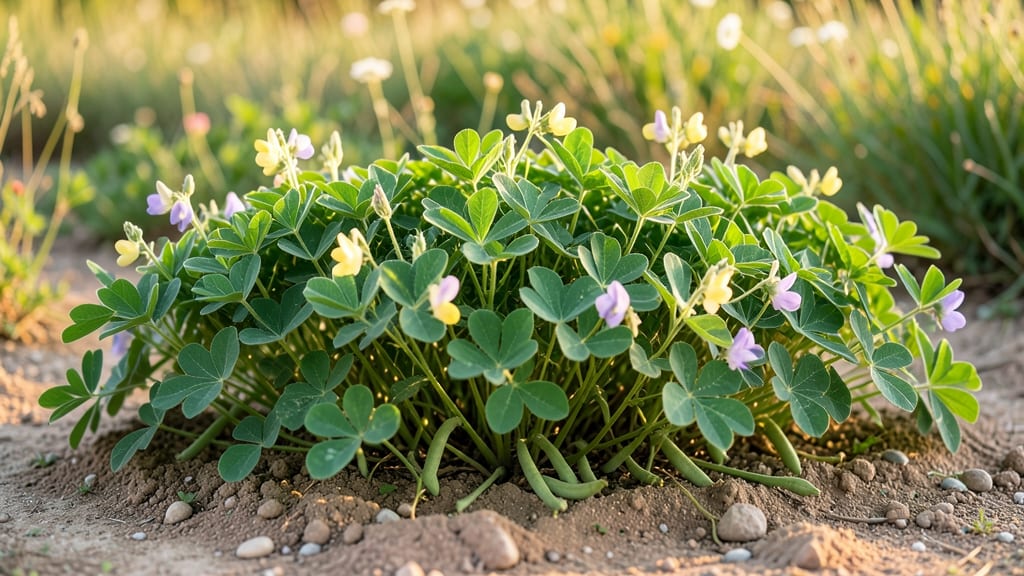
Growing peanut plant care in your backyard means crunchy, homegrown snacks with almost no effort—just 60-90 days of patience and a few simple tricks. 🌱 I’ve grown them in containers and in-ground beds, and the secret isn’t fancy soil or perfect timing—it’s mimicking their natural tropical habits with warmth and moisture.
Peanuts need warm soil (70°F+) to germinate, so start seeds indoors 8-10 weeks before your last frost or wait until late spring when nights stay above 60°F.
They thrive in full sun (6+ hours daily) and well-draining soil, but the real magic happens when you let the pods develop underground after flowering. No deep digging required—just hill soil around the plants as they grow.
By harvest time, you’ll have sandy, buttery peanuts straight from your garden, ready to roast or eat fresh. The plants even fix nitrogen in the soil, so they improve your garden bed naturally. Just watch for spider mites and leaf spots—both hate consistent moisture and good airflow.
Works in containers (5+ gallons) or garden beds, even in Zone 7-10. Here’s how to avoid the most common pitfalls and get a bountiful harvest every time.
📚 In This Guide
- What you need
- Instructions
- Tips and common mistakes
- Wrapping up and next steps
What you need
- ● Peanut Seeds: Choose disease-resistant varieties like Virginia, Runner, or Spanish types. Buy 30-50 seeds for a small garden patch.
- ● Well-Draining Soil: Peanuts love loamy, sandy soil with a pH between 6.0-6.5. Amend clay soil with compost or sand.
- ● Organic Compost: Mix in 2-3 inches of compost to enrich the soil before planting.
- ● Fertilizer: A balanced 10-10-10 NPK fertilizer or a low-phosphorus option (like 5-10-10) to avoid excess blooms.
- ● Mulch: Straw or pine needles to retain moisture and regulate soil temperature.
- ● Garden trowel or transplanting spade
- ● Garden rake (for soil prep)
- ● Watering can or hose with a gentle spray nozzle
- ● Pruning shears (for trimming excess foliage)
- ● Gloves (to protect your hands from soil and thorns)
- ● Row covers (to protect young plants from pests or frost)
- ● Drip irrigation system (for consistent watering)
- ● Soil pH test kit (to monitor and adjust soil acidity)
- ● Peanut harvesting knife (for cleanly digging up mature pods)
Step-by-step guide to growing thriving peanut plants
Peanuts aren't just for the South—they thrive in warm climates with consistent care. Here's how to cultivate healthy plants that produce abundant harvests.
🌱 Step 1: Select the Right Variety and Planting Time
Choose a variety suited to your climate zone, such as Virginia, Spanish, or Runner types. Virginia peanuts mature in 120-140 days, making them ideal for longer growing seasons, while Spanish types mature faster (90-110 days). Plant seeds 2-3 weeks after your last frost date when soil temperatures reach at least 65°F. Cold soil slows germination and can lead to rot.
Peanuts need 100-120 frost-free days to mature, so plan accordingly. If you live in a cooler region, opt for early-maturing varieties like Early Spanish. I always test soil temperature with a thermometer—70°F is the sweet spot for reliable germination. Planting too early risks poor emergence.
☀️ Step 2: Prepare Soil and Plant Seeds Correctly
Peanuts thrive in well-draining, sandy loam soil with a pH between 5.8-6.2. Work in 2-3 inches of compost before planting to improve fertility and structure. Avoid heavy clay soils—roots need oxygen to develop properly. I like to till in a balanced 10-10-10 fertilizer at planting time to ensure steady growth.
Plant seeds 1-2 inches deep and 3-4 inches apart in rows spaced 18-24 inches apart. Peanuts grow vines that spread, so give them room. Water lightly after planting to settle the soil. If your soil is dry, a gentle mist is better than a heavy watering—you don’t want to displace seeds. I mark rows with stakes to avoid disturbing them later.
💧 Step 3: Water and Maintain Consistent Moisture
Peanuts need 1-1.5 inches of water per week, but consistency is key. Too much water causes rot, while drought stress stunts pods. I water deeply 2-3 times per week, focusing on the root zone. Avoid wetting the foliage to prevent fungal diseases like leaf spot. A drip irrigation system works best—it delivers water directly to the soil without splashing.
Watch for yellowing leaves—this is often a sign of overwatering or poor drainage. If the soil feels soggy more than 1 inch below the surface, cut back on watering. Once flowers appear (about 45-50 days after planting), reduce water slightly to encourage pod development. Peanuts need moderate moisture, not soggy soil, during flowering.
✂️ Step 4: Support Vines and Monitor for Pests
Peanut vines spread aggressively, so I use lightweight trellising or stakes to keep them off the ground and improve airflow. This reduces disease risk and makes harvesting easier. If you’re growing in rows, a simple wire arch works well. Avoid heavy supports—peanuts are delicate and can break under weight.
Keep an eye out for leaf miners, spider mites, and aphids, which love peanut plants. I spray neem oil preventatively every 2 weeks during peak growth. If you spot yellowing veins or sticky residue, act fast—these are signs of pest infestation. Healthy plants resist pests better, so maintain balanced soil fertility and proper spacing.
🌿 Step 5: Harvest and Cure Peanuts Properly
Peanuts are ready to harvest when vines yellow and dry, usually 120-140 days after planting. Gently dig up plants with a fork, being careful not to damage pods. Shake off excess soil and spread vines in a single layer in a dry, shaded area to dry for 3-5 days. This prevents mold and ensures even curing.
Once fully dry, remove peanuts from the vines and cure them at 70-80°F and 40-60% humidity for 2-3 weeks. I use a dehumidifier in a garage to control conditions. Properly cured peanuts will have a hard shell and sweet, nutty flavor. Store in airtight containers in a cool, dark place—they’ll keep for 6-12 months if stored correctly.
Tips & tricks for thriving peanut plant care
Growing peanuts successfully comes down to understanding their unique needs—here's how to avoid common pitfalls and maximize your harvest.
Variety Selection Matters: The 120-140 day maturation window for Virginia peanuts makes them ideal for longer growing seasons, while Spanish types (90-110 days) suit cooler regions. I've found that Early Spanish varieties often perform better in areas with shorter frost-free periods—just check your local frost dates and plan accordingly. For example, if your area has only 100 frost-free days, stick with Spanish types to ensure maturity before cold weather arrives.
Soil Temperature is Non-Negotiable: That 65°F minimum soil temperature isn't just a suggestion—it's critical for germination. I've seen seeds planted in cooler soil either rot or take weeks to sprout. Use a soil thermometer to confirm temperatures before planting, and consider black plastic mulch to warm the soil faster if needed. The 70°F sweet spot creates optimal conditions for rapid, even emergence.
Watering Precision Prevents Problems: The 1-1.5 inches per week guideline is about consistency, not volume. I've learned that peanut roots are particularly sensitive to soggy conditions—soil that stays wet more than 1 inch below the surface can cause root rot. During flowering (around day 45-50), reduce water slightly to encourage pod development. A drip irrigation system delivers water precisely where it's needed without wetting foliage, which helps prevent fungal diseases like leaf spot.
Harvest Timing Determines Quality: Waiting until vines yellow and dry (typically 120-140 days) ensures maximum pod development, but don't wait too long—they'll shatter if left in the ground. I mark my calendar 120 days after planting as a reminder to start checking. Once harvested, that 3-5 day drying period in a shaded area is crucial—it prevents mold while allowing even moisture loss throughout the vines.
Pro Tips for Peanut Plant Care
- Growing peanuts successfully comes down to understanding their unique needs—here's how to avoid common pitfalls and maximize your harvest.
- Variety Selection Matters: The 120-140 day maturation window for Virginia peanuts makes them ideal for longer growing seasons, while Spanish types (90-110 days) suit cooler regions.
- Soil Temperature is Non-Negotiable: That 65°F minimum soil temperature isn't just a suggestion—it's critical for germination.
Frequently asked questions
Got questions about growing your own peanut plants? You’re not alone! Here are some of the most common queries—plus quick, actionable answers to keep your peanuts thriving from seed to harvest.
How long does it take for peanut plants to produce peanuts after planting?
Peanuts are patient little plants! After sowing seeds, expect to wait about 120–140 days for maturity, depending on the variety. Early varieties may produce peanuts in as little as 100 days, while larger types take closer to 150 days. Pro tip: Start seeds indoors 8–10 weeks before your last frost for a head start!
Can peanut plants survive frost or cold weather?
Peanuts are tropical plants and hate cold. They thrive in warm soil (70–90°F) and cannot tolerate frost. If you live in a cooler climate, grow peanuts in containers and move them indoors or to a greenhouse during chilly nights. Alternative: Try short-season varieties like ‘Early Spanish’ for milder regions.
What should I do if my peanut plants are getting eaten by pests?
Pests like aphids, spider mites, and cutworms love peanuts! Start with neem oil or insecticidal soap for mild infestations. For cutworms, create a collar barrier (cut a cardboard tube and place it around stems). Prevention tip: Rotate crops and remove weeds to deter pests.
Can I grow peanuts in containers, or do they need a garden bed?
Peanuts adapt well to deep containers (at least 12 inches deep) with good drainage. Use a lightweight potting mix and place containers in full sun. Bonus: Container growing makes it easier to move plants indoors if frost threatens. Just ensure vines have room to sprawl—peanuts need space to develop pods!
What can I plant with peanuts to improve growth?
Peanuts are nitrogen-fixers, meaning they enrich the soil—but they still benefit from companions! Plant them with okra, corn, or tomatoes to deter pests and improve yield. Avoid planting near potatoes or other legumes, as they compete for nutrients. Quick combo: Try peanuts + marigolds for natural pest control!
Why aren’t my peanut plants flowering?
Peanuts need warmth, sunlight, and patience to flower. If your plants are leggy or not blooming, check for:
- Insufficient sunlight (move to a sunnier spot).
- Cool soil (use black plastic mulch to warm roots).
- Overcrowding (thin plants to 6–8 inches apart).
Wrapping up and next steps
Caring for peanut plants is a rewarding journey that blends simplicity with patience—perfect for both novice and seasoned gardeners! 🌱 With the right soil, sunlight, and a little TLC, you’ll enjoy a bountiful harvest of nutritious peanuts. Remember, consistency is key, whether you’re growing them in-ground or in containers.
Ready to dive in? Start by gathering your supplies, choosing the ideal spot, and planting with confidence. Your first batch of homegrown peanuts is just a few weeks (and a little sunshine) away! Happy gardening! 🌿