
Planting
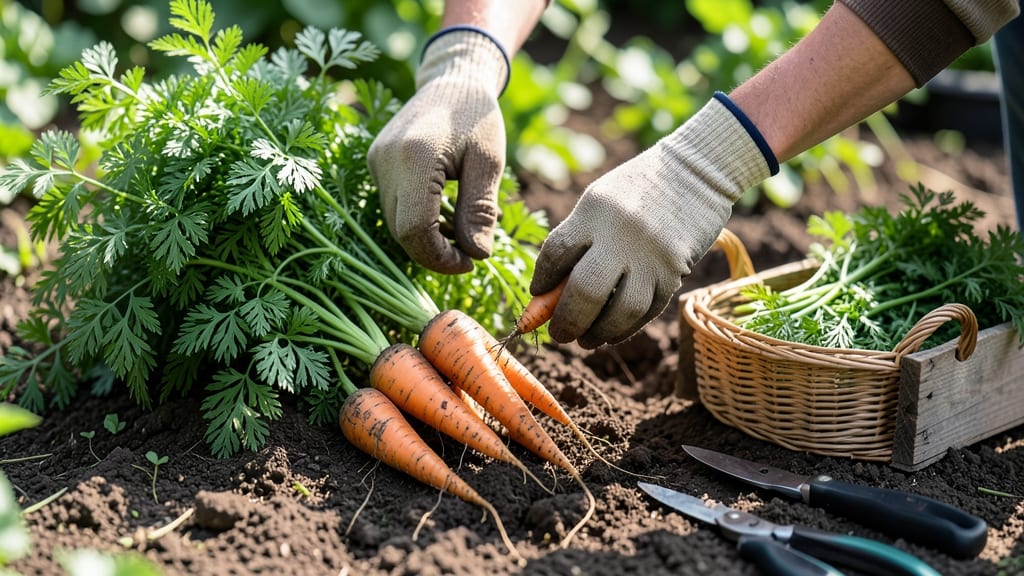
Growing Parisian market carrots means digging into French market-quality roots right in your garden. 🌱 These slender, sweet varieties—like 'Paris Market' or 'Parisian'—reward patience with crisp, tender roots perfect for roasting or fresh snacking.
The secret lies in loose, stone-free soil and precise spacing to prevent forking, a common frustration for home growers.
Start with a 6-inch-deep bed of well-draining soil, amended with compost to break up clods. Sow seeds ¼-inch deep in rows spaced 2 inches apart, thinning seedlings to 2 inches once they sprout.
Consistent moisture is critical—dry spells cause bitter, woody roots, while overwatering invites rot. A drip irrigation system keeps conditions steady without disturbing the soil.
By midseason, you’ll harvest 6-8 inch roots with a sweet, crisp snap—ideal for summer salads or winter storage. Watch for forking (split roots) caused by rocks or compacted soil, and wireworms by rotating crops and using row covers.
The payoff? Homegrown carrots that outshine store-bought in flavor and texture, harvested straight from your garden.
Perfect for small gardens or containers, these carrots thrive in cool weather but bolt in heat. For extended harvests, succession plant every 2-3 weeks until midsummer. The key is patience—these roots take 60-70 days to mature, but the reward is worth every week of waiting.
📚 In This Guide
- What you need
- Instructions
- Tips and common mistakes
- Wrapping up and next steps
What you need
- ● Carrot seeds: Choose heirloom varieties like Nantes, Paris Market, or Danvers (0.5 oz per 10 sq ft).
- ● Well-draining soil: Loose, sandy loam (pH 6.0–7.0). Amend with compost (2–3 inches mixed in).
- ● Fertilizer: Balanced organic (5-5-5) or veggie-specific granules (1 tbsp per sq ft).
- ● Watering can or hose: Fine-mist nozzle for seedlings.
- ● Row markers or stakes: To label and space rows (6–12 inches apart).
- ● Mulch (straw or grass clippings): 2–3 inches to retain moisture.
- ● Hand trowel or transplanting knife.
- ● Garden rake (for soil prep).
- ● Hoe (for weed control).
- ○ Gloves (optional but recommended!).
- ● Sunny spot: Full sun (6+ hours/day)—carrots thrive in warmth!
- ● Patience: 70–90 days to harvest (longer for sweeter roots).
- ● Cold tolerance: Start seeds indoors 4–6 weeks before last frost or direct-sow when soil hits 50°F (10°C).
How to grow Parisian market carrot varieties at home
Here's my foolproof method for cultivating those prized French market carrots—sweet, uniform, and packed with flavor.
🌱 Step 1: Prepare the Soil for Crisp Roots
Carrots demand loose, stone-free soil to grow their signature straight, tender roots. I always work in 12-18 inches of deeply cultivated soil—no rocks, no clumps. Amend your garden bed with 2-3 inches of compost mixed into the top 6 inches of soil to create a perfect growing medium.
For container growing, use a 12-inch deep pot filled with a blend of 50% potting mix and 50% coarse sand or perlite. The extra grit prevents forking and encourages those long, slender shapes. Test your soil by pushing a pencil into it—if it resists, you need to loosen it further.
🌱 Step 2: Sow Seeds at the Right Depth and Spacing
Parisian varieties like 'Paris Market' and 'Parisian' need precision planting. Scatter seeds ¼ inch deep in rows spaced 12 inches apart. I use a seed tape for even spacing—this prevents overcrowding, which leads to stunted, forked roots. Water gently after sowing to settle the soil without disturbing the seeds.
Keep rows straight by using a string line or garden rake to create shallow furrows. If sowing directly in the garden, plant in two successive batches spaced 2 weeks apart for a continuous harvest. Thin seedlings to 2 inches apart once they reach 2 inches tall—this gives roots room to fatten properly.
☀️ Step 3: Maintain Consistent Moisture and Light
Carrots need full sun (6-8 hours daily) and steady moisture to prevent cracking or bitterness. Water 1 inch per week, keeping the soil evenly moist but never soggy. I use a drip irrigation system to deliver water directly to the soil surface—this prevents washing away the fine seedling tops.
Watch for uneven soil moisture, which causes roots to split or develop hairy growths. Mulch with 1 inch of straw after thinning to retain moisture and suppress weeds. If your carrots start turning bitter, they're getting too dry—adjust your watering immediately.
⏰ Step 4: Harvest at Peak Sweetness
Parisian carrots mature in 60-70 days, but I pull them when they reach 1-1.5 inches in diameter—this is when their flavor peaks. Gently loosen the soil around the base with a fork before pulling to avoid damaging the roots. Harvest on a dry day to prevent soil from sticking.
For continuous harvests, sow new batches every 3 weeks throughout the growing season. Store freshly harvested carrots in the refrigerator for up to 2 weeks in a plastic bag with a paper towel to absorb excess moisture. If left in the ground too long, they'll toughen and lose their signature sweetness.
Tips & tricks for perfect Parisian market carrots
Here's what I learned after years of growing these delicate French varieties—simple secrets that make all the difference.
Soil Preparation Secret: The 12-18 inch deep cultivation isn't just about depth—it's about creating a "carrot highway" where roots can grow straight without obstruction. I use a broadfork to loosen the soil vertically, breaking up compaction layers. For containers, that 50% sand/perlite blend is non-negotiable—it mimics the loose, gritty soil of Parisian market gardens where these varieties originated.
Precision Planting Technique: Those ¼ inch deep seeds need gentle handling. I make a shallow furrow with my finger, then use a seed tape to place seeds exactly 1 inch apart. The two-week succession planting is crucial—it ensures you're never without fresh harvests, just like the Parisian market vendors who rotate plantings weekly. Remember, thinning to 2 inches apart when seedlings hit 2 inches tall gives roots the space they need to fatten properly.
Light and Moisture Mastery: The 6-8 hours of daily sun is non-negotiable for sweetness, but the real magic happens with watering. I check soil moisture by pushing my finger 2 inches deep—if it feels dry, it's time to water. That 1 inch per week measurement assumes average rainfall; in hotter climates, you may need daily watering. The drip irrigation system I use delivers water at soil level, preventing the fine tops from washing away.
Harvest Timing: The 60-70 day window is just a guideline—the real indicator is diameter. I harvest when carrots reach 1-1.5 inches because that's when their natural sweetness peaks. The fork trick for loosening soil before pulling prevents the tops from breaking off, which happens when you yank too hard. Harvesting on dry days keeps your carrots clean and prevents soil from sticking to the roots.
Pro Tips for Parisian Market Carrots
- Here's what I learned after years of growing these delicate French varieties—simple secrets that make all the difference.
- Soil Preparation Secret: The 12-18 inch deep cultivation isn't just about depth—it's about creating a "carrot highway" where roots can grow straight without obstruction.
- Precision Planting Technique: Those ¼ inch deep seeds need gentle handling.
Frequently asked questions
Got questions about Parisian market carrots? You’re not alone! Here are the most common queries—plus quick, expert answers to help you grow the sweetest, crunchiest roots like a true French market pro.
What’s the best time to plant Parisian market carrots?
Plant them early spring (as soon as soil reaches 50°F) or late summer (8–10 weeks before frost) for the best flavor. Avoid planting in hot weather—they’ll fork or turn woody. Pro tip: Use a seed starter kit if your climate is unpredictable!
Where can I buy Parisian market carrot seeds?
Look for ‘Paris Market’ or ‘Parisian’ varieties at specialty seed companies like Baker Creek, Richters, or local French markets (if you’re lucky!). Check seed catalogs for organic, heirloom options too!
Can I grow Parisian carrots in containers?
Use a deep container (12+ inches) with well-draining soil. Opt for shorter varieties like ‘Paris Market’ (5–6 inches long) to avoid crowding. Just keep them consistently moist—drought stress leads to bitter roots. Bonus: Mix in compost for extra sweetness!
Why are my Parisian carrots forking or stunted?
Forking (splitting roots) usually means crowded soil or uneven watering. Thin seedlings to 2–3 inches apart and keep soil loose and moist. Stunted growth? Check for pests (carrot rust flies) or poor drainage. Try a row cover if bugs are the culprit!
How do I store homegrown Parisian carrots?
Store them in a cool, dark place (40–50°F) with slightly damp sand or sawdust to retain moisture. Avoid plastic bags—they’ll sweat and rot. For long-term storage, harvest before hard frosts and keep in the fridge for up to 3 months!
What’s the difference between Parisian and regular carrots?
Parisian carrots are smaller (3–6 inches), sweeter, and more tender than standard varieties. They’re perfect for raw snacking, salads, or quick cooking. Regular carrots store longer but lack the buttery, intense flavor of their French cousins!
Wrapping up and next steps
From the vibrant stalls of Parisian markets to your kitchen, these sweet, crunchy carrots are a celebration of freshness and flavor. Whether you’re growing your own or savoring market finds, their versatility makes them a must-have in any garden or meal plan. 🥕✨
Ready to dive deeper? Start by planting your own seeds—follow our guide to grow your own Parisian-style carrots, or visit a local market to pick the freshest bunch. The journey to crunchy perfection begins with you!