
Planting
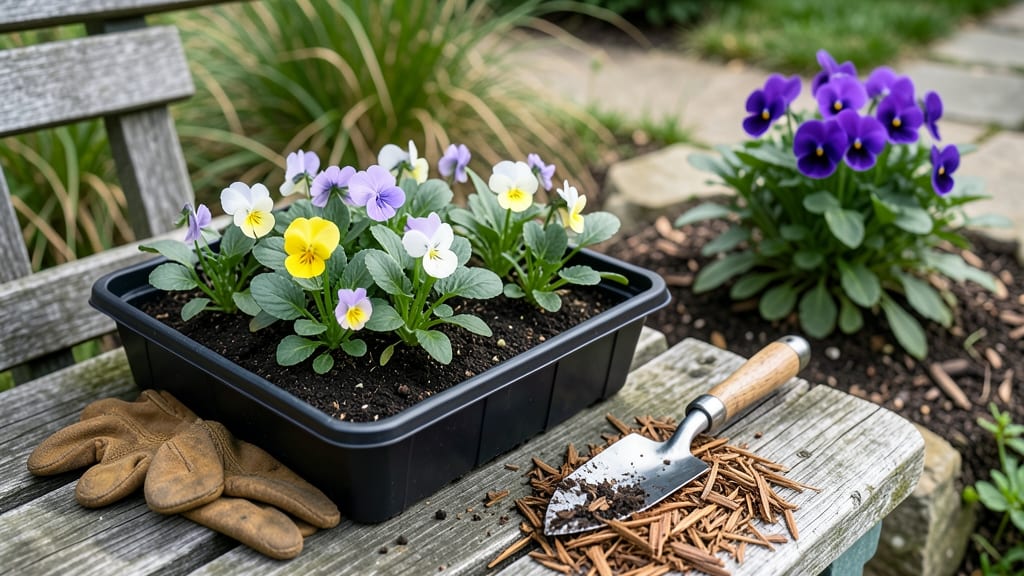
Planting pansies during their ideal season means the difference between a garden bursting with color and one that fades before it begins.
Pansies aren’t just pretty—they’re tough little flowers that thrive in cool weather, offering vibrant blooms from early spring to late fall. But planting them at the wrong time can mean wilted dreams instead of a burst of color.
In USDA Zone 6a, like most of the Midwest, the sweet spot is late summer or early spring—just 4-6 weeks before your last frost date. Too early, and heat will stress them; too late, and frost will finish them off.
Below, I’ll break down the exact timing for your region, soil prep secrets, and how to keep your 🌸 pansies blooming all season long—no guesswork, just results.
Best pansy planting season by climate zone: when to plant for peak blooms
Pansies love cool weather, but their planting window varies dramatically depending on your USDA hardiness zone. In zones 3-5, you can plant as early as late summer for fall blooms, while zones 8-10 gardeners should focus on early spring to avoid summer heat stress.
The key is timing your plants to avoid frost damage while giving roots time to establish before extreme temperatures arrive.
Most gardeners achieve peak pansy performance with two planting windows: 4-6 weeks before last frost for spring blooms or 6-8 weeks before first frost for fall color. However, these timelines shift based on your local climate.
For example, zone 6 gardeners might plant in March-April for spring and August-September for fall, while zone 9 gardeners should aim for November-January to avoid summer wilting.
Here’s a zone-by-zone breakdown of optimal planting windows, including whether to direct sow or transplant for best results:
| Zone | Spring Planting Window | Fall Planting Window | Method | Key Consideration |
|---|---|---|---|---|
| 3-4 | Late April - Early May | Late August - Early September | Transplant | Short growing season; use cold-hardy varieties |
| 5-6 | March - Early April | Late August - Mid-September | Transplant or direct sow | Avoid late spring heat; mulch for winter protection |
| 7-8 | November - January | September - Early October | Transplant only | Provide afternoon shade in summer; water deeply |
| 9-10 | November - December | September - Early October | Transplant only | Use shade cloth in summer; prioritize evening watering |
For direct sowing, which works best in zones 5-7, scatter seeds ¼ inch deep in well-prepared soil. However, most gardeners prefer transplanting because it gives pansies a head start and reduces the risk of seedling diseases.
When transplanting, choose healthy 4-inch pots and harden off seedlings for 7-10 days before moving them outdoors.
In warmer zones (8-10), avoid planting pansies during peak summer heat, as temperatures above 85°F can cause them to bolt prematurely or develop leaf scorch. Instead, focus on fall planting and provide afternoon shade with 50% shade cloth if needed.
For cooler zones (3-6), consider overwintering pansies with a thick mulch layer (3-4 inches) to protect roots from freeze-thaw cycles.
Pro tip: Test your soil temperature before planting—pansies thrive when soil is between 45°F and 65°F. Use a soil thermometer to check, especially in spring when temperatures fluctuate. If your soil is too cold, wait 1-2 weeks or use black plastic mulch to warm it faster.
One common mistake is planting pansies too early in spring, which can lead to frost damage or stunted growth. Always check your local frost dates and adjust your planting timeline accordingly.
For example, in zone 5, planting in mid-March might be too early if frost is still likely, while late April offers safer conditions.
For container gardening, the timing is slightly different. Pansies in pots can handle warmer conditions than in-ground plants, so you can plant 2-3 weeks earlier in spring or 2 weeks later in fall.
Just ensure containers have drainage holes and use lightweight potting mix to prevent waterlogging, which pansies hate.
Finally, remember that pansies are biennials in many climates, meaning they can rebloom next year if given proper care. By planting at the optimal times outlined above, you’ll set your pansies up for long-lasting color and minimal maintenance. With the right
How to extend pansy blooms: season-long care tips for cool-weather gardens
Pansies are the unsung heroes of cool-season gardens, delivering bold colors and cheerful faces from early spring until frost. But to keep them blooming nonstop for months, you need more than just good timing—you need the right care.
From soil prep to winter protection, these strategies will turn your pansies into the longest-lasting stars of your garden.
I’ve learned the hard way that neglecting deadheading or overwatering can cut blooms short. The key is balancing moisture, sunlight, and maintenance while protecting them from pests and disease. With the right approach, your pansies can flower for 6+ months—even through light frosts—without fading into forget-me-nots.
- 1
- 2
- 3
- 4
- 5
One of my biggest mistakes was skipping deadheading—I thought pansies were low-maintenance. But those wilted blooms signal the plant to focus on seed production instead of new flowers.
Grab a pair of clean scissors and snip stems daily during peak bloom. It takes just 5 minutes but extends blooms by 30-50%.
Powdery mildew is another bloom-killer that thrives in humid conditions. I’ve found that neem oil spray (applied weekly) or a baking soda mix (1 tsp baking soda + 1 quart water + drop of soap) stops it in its tracks.
Always spray early in the morning so leaves dry quickly—wet foliage invites fungal growth.
Don’t forget companion planting! I pair pansies with marigolds to repel pests like aphids and nasturtiums to attract pollinators. These natural allies reduce the need for chemicals while keeping your pansies healthy and vibrant. Plus, the color contrast makes your garden pop.
For overwintering success, choose cold-hardy varieties like ‘Matrix’ or ‘Cool Wave.’ After the first frost, add a light mulch layer (straw or shredded leaves) to insulate roots.
In Zone 5 and colder, consider row covers for extra protection. With this care, your pansies will rebound in spring like they’ve never missed a season.