
Planting
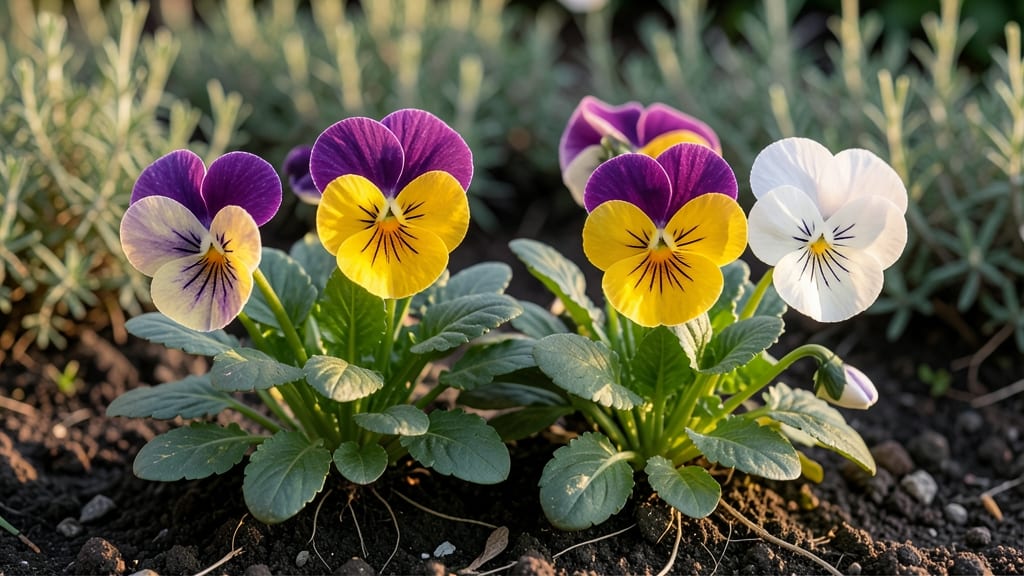
Pansy plant care handles cold better than most flowers, but they still need the right care to stay vibrant year-round. 🌿 I’ve grown them through three winters—even in Zone 5—and these are the exact steps that keep them blooming from spring until first frost. The secret isn’t complicated: it’s about matching their love of cool weather with simple maintenance. They thrive in partial shade (morning sun, afternoon shade works best) and soil that drains well but stays moist. Overwatering is the #1 killer, but underwatering makes them droop faster than a wilted lettuce. A weekly check of the top inch of soil keeps them happy without fuss. By late summer, you’ll see new blooms pushing through even as temperatures climb. The key is deadheading spent flowers and giving them a light feed of balanced fertilizer every 4-6 weeks. They reward patience with cheerful faces all season long. Works for containers, garden beds, or even hanging baskets. Here’s how to keep them looking their best all year!
📚 In This Guide
- What you need
- Instructions
- Tips and common mistakes
- Wrapping up and next steps
What you need
- ● Pansy plants: 3–5 plants per square foot (for garden beds) or 1–2 per 6-inch container.
- ● Well-draining potting mix: 10–20 lbs (for garden beds) or 1–2 bags (for containers). Look for a mix labeled "all-purpose" or "flowering plant blend."
- ○ Containers (optional): 6–12-inch pots with drainage holes (1–2 plants per pot).
- ● Hanging baskets (10–12 inches wide) for trailing varieties.
- ● Slow-release fertilizer: 1 lb per 100 sq ft (or follow package instructions for containers). Choose a balanced formula (e.g., 10-10-10 or 20-20-20).
- ○ Mulch (optional): 1–2 inches of organic mulch (e.g., shredded bark or straw) to retain moisture.
- ● Garden trowel or small shovel (for transplanting).
- ● Watering can or hose with a gentle spray nozzle (avoid overhead watering to prevent disease).
- ● Pruning shears (for deadheading or trimming leggy stems).
- ○ Gloves (optional)—pansies are non-toxic, but soil can be messy!
- ○ pH test kit (optional)—ideal soil pH for pansies is 6.0–7.0.
- ● Sunlight: 5–6 hours of partial sun (morning sun + afternoon shade works best). Avoid harsh afternoon rays in hot climates.
- ● Temperature: Pansies thrive in 50–75°F (10–24°C). They’re cold-hardy (down to 20°F/-7°C) but may need winter protection in freezing zones.
- ● Watering schedule: Keep soil consistently moist (not soggy). Water at the base to avoid wetting foliage.
Step-by-step pansy plant care for long-lasting color
Here's how to keep your pansies blooming beautifully through seasons with just a few simple habits.
🌱 Step 1: Choose the Right Location for Year-Round Growth
Pansies thrive in partial shade—think 4-6 hours of morning sun with afternoon shade, especially in hotter months. I place mine where they get dappled sunlight through trees or under a patio awning. This prevents the flowers from burning while keeping foliage lush. If you only have full sun, opt for white or pale varieties—they tolerate heat better.
Check your spot by observing how sunlight moves across the area throughout the day. You'll notice pansies in full sun wilt by afternoon, while those in partial shade stay perky. For cooler climates, they can handle more sun, but even there, afternoon shade extends their bloom time.
💧 Step 2: Water Consistently Without Overdoing It
Water pansies when the top inch of soil feels dry to the touch—usually every 2-3 days in warm weather, but less often in cooler months. I like to water in the morning so foliage dries quickly, preventing fungal issues. The key is keeping soil evenly moist but never soggy; pansies hate wet feet.
You'll see wilting leaves as your first sign of underwatering, but yellowing foliage means you're overwatering. For containers, check soil moisture daily—they dry out faster than in-ground plants. Mulch around the base with 2-3 inches of organic mulch to retain moisture and keep roots cool.
☀️ Step 3: Feed and Deadhead for Continuous Blooms
Apply a balanced, water-soluble fertilizer (10-10-10) every 4-6 weeks during the growing season to encourage nonstop blooming. I mix it at half-strength to avoid burning tender roots. Stop fertilizing in late summer to let plants prepare for dormancy if needed. For organic gardeners, fish emulsion works well too.
Deadhead spent blooms regularly by pinching off flowers just above the next set of leaves. This redirects energy to new blooms instead of seed production. You'll notice a surge in fresh flowers within a week of consistent deadheading. In fall, reduce deadheading to let some flowers go to seed—this extends the season naturally.
✂️ Step 4: Prune and Refresh for Next Season's Growth
In late summer, trim back leggy stems by one-third to encourage bushier growth. Use clean, sharp scissors to cut just above a leaf node. This also prevents the plants from looking ragged while preparing them for cooler weather. For container pansies, a light trim keeps them compact and prevents toppling.
After the first frost, cut back plants to 2-3 inches tall and remove any dead foliage. This refreshes the plant and often brings new growth in spring. In mild climates, pansies may continue blooming through winter with minimal care—just protect them from hard freezes with a light frost cloth if needed.
🪴 Step 5: Overwintering for Year-After-Year Color
For perennial pansies, mulch heavily with 4-6 inches of straw or leaves after the first frost to insulate roots. In colder zones, group containers close together and wrap them in burlap for extra protection. I've seen pansies survive winters down to 10°F with this method—just remove mulch in early spring.
Divide mature pansies every 2-3 years in early spring by digging up clumps, separating the roots, and replanting. This rejuvenates plants and prevents them from becoming overcrowded. You'll notice stronger, more vibrant blooms the following season after division.
Tips & tricks for perfect pansy plant care
These simple strategies will help your pansies stay vibrant and healthy with almost no extra effort.
Sunlight Strategy: If you're unsure about your location's light conditions, start with a spot that gets morning sun and observe your pansies for a week. The 4-6 hours of morning sun is ideal, but if leaves start curling or turning yellow, they're getting too much direct heat. Move them to a slightly shadier spot immediately—pansies are surprisingly forgiving once you find the right balance.
Watering Wisdom: The "top inch dry" test is foolproof, but here's a pro move: use a long screwdriver or chopstick to check soil moisture deeper down. Pansies can handle dry spells better than soggy soil, so if your screwdriver comes out clean after 2 inches, wait another day before watering. This prevents the dreaded yellowing leaves that signal overwatering.
Fertilizer Timing: When you apply that 10-10-10 fertilizer every 4-6 weeks, split the dose into two applications—give half now and save the other half for 3 weeks later. This slow-release approach prevents fertilizer burn while keeping nutrients available longer. I've found this method extends the blooming season by nearly 2 weeks compared to one big feeding.
Pruning Precision: For that one-third trim in late summer, focus on removing only the longest, leggiest stems first. These are the ones that shade out the center of the plant and prevent new blooms. Leave the shorter stems—these are your plant's energy reserves for next season's growth. Think of it like giving your pansies a haircut that keeps their shape while encouraging fullness.
Pro Tips for Pansy Plant Care
- These simple strategies will help your pansies stay vibrant and healthy with almost no extra effort.
- Sunlight Strategy: If you're unsure about your location's light conditions, start with a spot that gets morning sun and observe your pansies for a week.
- Watering Wisdom: The "top inch dry" test is foolproof, but here's a pro move: use a long screwdriver or chopstick to check soil moisture deeper down.
Frequently asked questions
How often should I water my pansies?
Water pansies consistently—about 1 inch per week, adjusting for rain or heat. Keep soil moist but not soggy; wilting or yellowing leaves signal over- or under-watering. Mulch helps retain moisture, reducing daily fuss.
Can pansies survive winter, or do I need to protect them?
Most pansies are hardy to USDA Zones 3–10, but heavy snow or freezing temps may damage them. In colder climates, add a light layer of mulch (straw or pine needles) or use frost cloth. Prune dead foliage in spring to encourage fresh growth.
What pests or diseases should I watch for?
Pansies attract aphids, slugs, and powdery mildew. Spray off pests with water or use neem oil. For mildew, improve airflow and avoid overhead watering. Rotate plants annually to prevent soil-borne issues.
Why are my pansies’ leaves turning yellow?
Yellow leaves often mean overwatering, nutrient deficiency, or pests. Check soil moisture first—pansies hate soggy roots. Amend soil with compost if leaves look pale (sign of nitrogen deficiency). Move plants to partial shade if scorched.
Can I grow pansies in containers? What’s the best setup?
Use well-draining pots (10+ inches deep) with a mix of potting soil and perlite. Place containers where they get morning sun and afternoon shade. Fertilize every 2–3 weeks with a balanced liquid feed for vibrant blooms.
Pro Tip:
Deadhead spent blooms regularly to encourage more flowers! Snip stems just above a leaf node with clean scissors—it’s a quick way to keep your pansies looking their best all season.
Wrapping up and next steps
Caring for pansies doesn’t have to be complicated—just a little love and consistency go a long way! 🌸 With the right soil, sunlight, and watering routine, these cheerful blooms will reward you with vibrant colors and resilience all year round.
Whether you’re a seasoned gardener or just starting, your green thumb is closer than you think—start small, observe your plants, and enjoy the process.
Ready to dive in? Pick a spot, grab your supplies, and watch your pansies thrive! 🌱