
Planting
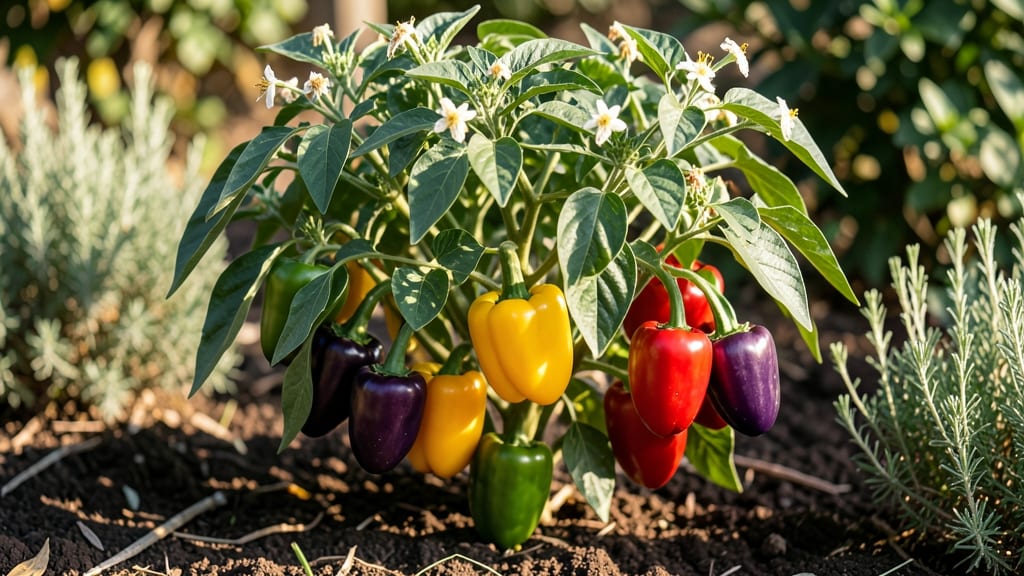
Growing a multi-color pepper plant is like having a living rainbow in your garden. 🌈 These stunning varieties—like 'Rainbow Pepper' or 'Colorado Jumbo'—pack bold flavors and vibrant hues into a single plant, but they need the right care to show off their full potential.
I've grown them for years, and the secret to their 75-day harvest lies in sunlight, soil, and a little patience. The key is full sun exposure (at least 6-8 hours daily) and well-draining soil rich in compost. Overwatering or poor drainage will dull their colors and stunt growth.
Feed them every 3-4 weeks with a balanced fertilizer, and watch as the peppers shift from green to red, yellow, and even purple. Prune sparingly—just remove dead leaves—to keep energy focused on fruit production.
By harvest time, you'll have peppers that look as good as they taste, perfect for salads, roasting, or drying. The colors stay vibrant if stored properly in a cool, dry place. Even beginners can master this—just avoid common pitfalls like inconsistent watering or overcrowding the plants.
These peppers thrive in containers or garden beds, making them ideal for small spaces or urban gardens. They're also disease-resistant, so you won’t spend hours fighting pests or fungal issues.
The real magic happens in late summer when the colors peak—imagine snapping a photo of your plant with peppers in every shade of the rainbow.
Start seeds indoors 8-10 weeks before your last frost, or buy transplants for a quicker harvest. With the right care, you’ll have a plant that’s as beautiful as it is productive. The best part? Every bite tastes like summer, no matter the season.
📚 In This Guide
- What you need
- Instructions
- Tips and common mistakes
- Wrapping up and next steps
What you need
- ● Seeds or seedlings: Multi-color pepper seeds (e.g., 'Colorado Scorch,' 'Rainbow F1,' or 'Sunny Pepper') or young plants from a nursery.
- ● Containers or garden bed: For containers: 5-gallon pots (1 per plant) with drainage holes.
- ● For in-ground planting: Well-draining soil in a sunny spot (6+ hours of sunlight daily).
- ● Potting mix: High-quality, well-draining soil blend (e.g., 60% peat moss, 30% perlite, 10% compost).
- ● Fertilizer: Balanced, water-soluble fertilizer (10-10-10 or 5-5-5) or organic options like compost or worm castings.
- ● Watering can or hose: With a gentle spray nozzle.
- ○ Support (optional but helpful): Small stakes or cages (3-4 feet tall) to support heavy pepper plants.
- ● Mulch (straw or shredded leaves) to retain moisture and suppress weeds.
- ● Plant labels (to track varieties if growing multiple colors).
- ● Pruning shears (for shaping or removing excess leaves).
- ● Grow lights (if starting indoors before the last frost).
- ● Pest control: Neem oil or insecticidal soap (for aphids or spider mites).
How to grow a thriving multi-color pepper plant
Here’s my foolproof method for growing bold, colorful peppers that stay productive all season long.
🌱 Step 1: Start with the Right Varieties and Soil
Choose multi-colored pepper varieties like ‘Rainbow Mix’ or ‘Colorado Jalapeño’ for vibrant fruit. These plants produce a mix of reds, yellows, oranges, and greens on the same bush. Use a well-draining potting mix (I blend 50% premium potting soil with 50% perlite for extra aeration). Fill a 5-gallon container or garden bed with the mix, amending with a slow-release fertilizer (like 10-10-10) at planting time.
Peppers hate soggy roots, so if you’re gardening in-ground, raise beds 6-12 inches high for better drainage. Test soil pH—peppers thrive in 6.0-6.8. If your soil is too acidic, add dolomitic lime to adjust it before planting. I like to work in a handful of compost too for extra nutrients without overwhelming the plant.
☀️ Step 2: Plant in Warmth and Full Sun
Wait until after the last frost and soil temps reach at least 65°F—peppers won’t germinate or grow well in cooler soil. If starting from seed indoors, sow 8-10 weeks before transplanting, keeping seeds in 70-80°F warmth until they sprout. Once seedlings have 3-4 true leaves, transplant them 18-24 inches apart in rows 24 inches apart for airflow.
Peppers need 6-8 hours of direct sun daily. Place them in a south-facing spot or under grow lights if indoors. You’ll see leggy growth if they’re stretched toward light—this means they’re not getting enough intensity. Rotate pots a quarter turn weekly to keep plants growing straight and bushy.
💧 Step 3: Water Deeply and Consistently
Water deeply 1-2 times per week, soaking the soil 6-8 inches down—this encourages strong root growth. Let the top inch of soil dry out between waterings to prevent rot. I use a soaker hose or drip irrigation to deliver water at the base, avoiding wet leaves (which can cause disease). Mulch with 2-3 inches of straw to retain moisture and keep roots cool.
Peppers are sensitive to moisture fluctuations. If leaves curl or fruit turns bitter, you’re either underwatering or overwatering. Check soil moisture by sticking your finger in—if it’s dry past your first knuckle, it’s time to water. In high heat (above 90°F), increase watering to every other day to prevent stress.
✂️ Step 4: Prune and Support for Maximum Yield
Pinch off flower buds on the first 6-8 inches of stem to encourage bushier growth. Once the plant is established, remove suckers (the small shoots that form in the leaf axils) to direct energy to fruit production. For tall varieties, install cages or stakes at planting time—peppers can get top-heavy with heavy fruit.
When fruit starts forming, harvest regularly to keep the plant producing. Leave 2-3 peppers per node to avoid overburdening the plant. If you notice yellowing leaves, it could be nutrient deficiency—feed with a balanced liquid fertilizer every 4-6 weeks. I swear by fish emulsion for a quick boost when plants look tired.
🌿 Step 5: Protect and Extend the Harvest
Watch for aphids or spider mites—these pests love pepper plants. Spray infested areas with neem oil or insecticidal soap at the first sign of trouble. If birds or squirrels are snacking on your peppers, cover plants with floating row covers or netting once fruit starts coloring.
To extend the harvest, prune lightly in early fall to remove spent blooms and encourage new growth. If frost threatens, pick peppers green and ripen them indoors in a paper bag with a banana (the ethylene gas speeds up ripening). With care, you’ll get 75-90 days of vibrant, multi-colored peppers—plenty for fresh eating, roasting, or preserving!
Tips & tricks for growing vibrant multi-color peppers
Here's what nobody tells you about growing peppers that actually produce the rainbow of colors you're dreaming of.
Variety Selection: Not all multi-color peppers are created equal. Look for varieties specifically bred for color changes like 'Rainbow Mix' or 'Colorado Jalapeño'—these reliably produce reds, yellows, oranges, and greens on the same plant. Avoid standard single-color varieties that won't develop the full spectrum. The key is choosing plants that naturally shift colors as they ripen, not just ones labeled "mixed" that might just have different colored fruits at the same time.
Soil Temperature Matters: Those 65°F soil temperatures are non-negotiable for germination. I've tried planting too early in cooler soil, and the seeds just sit there for weeks. Use a soil thermometer to check—if it's below 65°F, wait it out. For indoor starts, a seedling heat mat set to 70-80°F makes all the difference in getting those seedlings up and growing. Don't rush this step—cool soil will delay everything else.
Sunlight Strategy: The 6-8 hours of direct sun requirement is strict, but quality matters more than quantity. If your plants are stretching toward the light (leggy growth), they're not getting enough intensity. Move them closer to your brightest window or adjust grow lights to be just 6-12 inches above the plants. I rotate my containers weekly to prevent uneven growth—this ensures all sides get equal light exposure and keeps your plants growing straight and strong.
Watering Wisdom: That top inch of soil dry guideline is your best friend. Stick your finger in—if it feels dry past your first knuckle, it's time to water. But here's the secret: water deeply and consistently at the base, never the leaves. I use a soaker hose set on a timer for 10-15 minutes twice weekly to maintain even moisture without creating soggy conditions. The mulch layer helps too—it keeps roots cool and moisture levels stable, which prevents that bitter flavor that comes from inconsistent watering.
Pro Tips for Multi Color Pepper Plant
- Here's what nobody tells you about growing peppers that actually produce the rainbow of colors you're dreaming of.
- Variety Selection: Not all multi-color peppers are created equal.
- Soil Temperature Matters: Those 65°F soil temperatures are non-negotiable for germination.
Frequently asked questions
Got questions about growing your own multi-color pepper plant? You’re not alone! Here are some of the most common queries—plus quick, practical answers to help you grow a thriving, colorful harvest.
How do I know if my multi-color pepper plant is healthy?
A healthy plant has deep green leaves (no yellowing or spots), strong stems, and plenty of buds forming. Wilting, brown patches, or stunted growth could signal over/underwatering, pests, or nutrient deficiencies. Check soil moisture and inspect leaves regularly for early signs of trouble.
Can I grow multi-color peppers indoors?
Use a south-facing window or grow lights (12–16 hours/day) for optimal growth. Choose compact varieties like ‘Colorado’ or ‘Rainbow Blaze’ and ensure pots have drainage holes. Keep temps between 65–80°F and fertilize lightly every 2–3 weeks.
Why aren’t my peppers changing colors?
Color development depends on sunlight, maturity, and variety. Multi-color peppers need 6+ hours of direct sun daily. If peppers stay green, they may need more light or time to ripen. Some varieties (like ‘Rainbow Mix’) require 75–90 days to show full color—patience is key!
What’s the best temperature range for multi-color peppers?
Peppers thrive in 65–85°F during the day and 55–65°F at night. Below 50°F, growth slows, and above 90°F, flowers may drop. Use row covers or shade cloth in extreme heat to protect blossoms and ensure pollination.
Can I save seeds from multi-color peppers for next year?
Yes! Let peppers fully ripen on the plant, then scoop out seeds, rinse, and dry on paper towels for 1–2 weeks. Store in a cool, dark place in an airtight container. Pro tip: Label varieties—seed colors can vary, and some may revert to single colors over generations.
Wrapping up and next steps
Growing a multi-color pepper plant is a rewarding adventure that brings vibrant flavors and stunning visuals to your garden in just 75 days! 🌈 With the right soil, sunlight, and care, you’ll enjoy a bountiful harvest of colorful peppers—perfect for adding zing to your dishes or sharing with fellow plant enthusiasts.
Ready to dive in? Start by gathering your supplies and plant those seeds today—your future harvest (and taste buds!) will thank you. Happy gardening! 🌱💚