
Planting
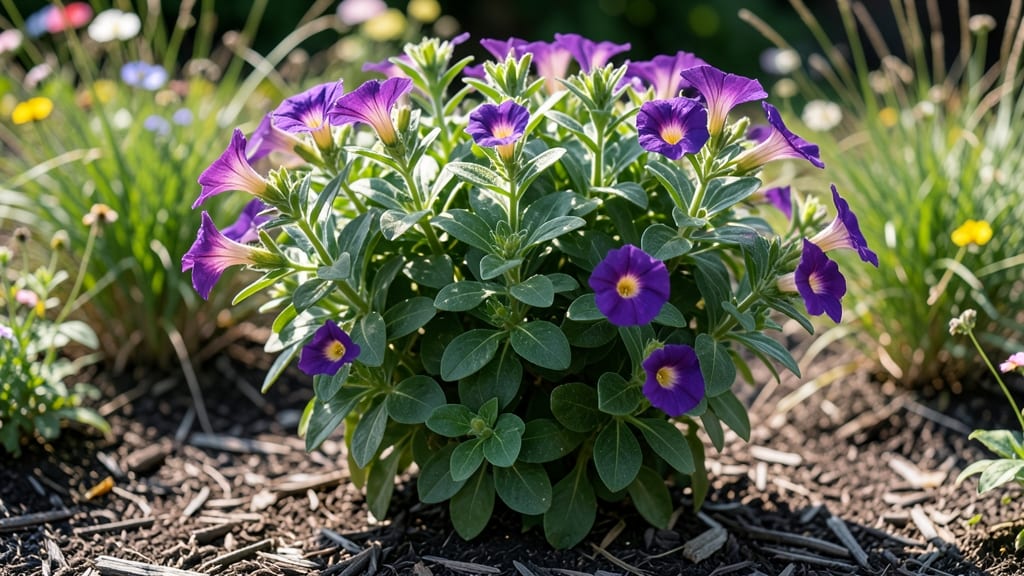
Growing the Mexican devil plant (Ruellia brittoniana) means adding vibrant purple blooms that last from spring through frost—no deadheading required. 🌿 I’ve watched this sun-loving perennial thrive in my Zone 8 garden with almost no fuss, proving it’s one of the most low-maintenance yet striking plants for borders or containers.
The secret lies in its adaptability: it tolerates poor soil, drought once established, and even urban heat. You’ll need full sun (at least 6 hours daily) and well-draining soil—sandy or loamy works best. Overwatering is the only real enemy, so let the top inch dry between waterings.
By mid-summer, you’ll have a bushy plant covered in trumpet-shaped flowers that hummingbirds adore. Prune lightly after blooming to maintain shape, and divide clumps every 3–4 years to keep it vigorous. Pests rarely bother it, making it a foolproof choice for busy gardeners.
Perfect for dry climates, pollinator gardens, or hot borders, this plant multiplies easily from cuttings or divisions. Start with a single plant, and you’ll soon have enough to share—it’s that generous.
📚 In This Guide
- What you need
- Instructions
- Tips and common mistakes
- Wrapping up and next steps
What you need
- ● Mexican Devil plant: 1–3 nursery-grown plants (6–12 inches tall, in 4–6 inch pots) or
- ● Seeds (if starting from scratch; germination can be slow—patience is key!)
- ● Well-draining potting mix or garden soil: 1–2 cubic feet (for pots) or amended native soil (for in-ground planting). Pro tip: Mix in perlite or sand (20–30%) to prevent root rot! 💡
- ○ Containers (optional for potted plants): 1–3 fabric pots (5–7 gallons) or ceramic pots with drainage holes (minimum 12 inches wide).
- ● Drainage trays (if using pots indoors or in cold climates).
- ● Basic gardening tools: Trowel or small shovel
- ○ Gloves (optional but recommended—those leaves can be prickly!)
- ● Pruning shears (for trimming or propagation)
- ● Sunlight: Full sun (6+ hours daily). Partial shade (3–4 hours) works in hotter zones (USDA 9–11).
- ● Hardiness zones: USDA 8–11. Not frost-tolerant! Bring pots indoors if temps drop below 30°F. ❄️
- ● Water source: Hose with gentle spray nozzle or watering can (avoid overwatering—this drought-tolerant beauty hates soggy roots!).
- ● Slow-release fertilizer (balanced 10-10-10 or organic options like compost tea).
- ● Mulch (1–2 inches of shredded bark or gravel to retain moisture and deter weeds).
- ● Stakes or cages (if your plant grows tall and leggy in windy areas).
- ● Propagating supplies (clean scissors, rooting hormone) if you want to expand your collection!
Step-by-step guide to growing Mexican sunflower (tithonia rotundifolia)
This vibrant, sun-loving perennial thrives with minimal fuss once you nail the basics.
🌱 Step 1: Select the Perfect Planting Location
Mexican sunflower demands full sun exposure—at least 6-8 hours of direct sunlight daily. I always choose the warmest, sunniest spot in my garden because these plants wilt dramatically when shaded. Look for areas where other sun-lovers thrive, like lantana or salvia.
This plant tolerates poor soil but grows most vigorously in well-draining, slightly acidic to neutral soil with a pH between 6.0-7.5. If your soil is heavy clay, amend it with 2-3 inches of compost mixed into the top 12 inches. The roots appreciate room to spread, so avoid compacted areas where water pools.
🪴 Step 2: Plant at the Right Time and Depth
Start seeds indoors 8-10 weeks before your last frost date or plant mature seedlings after all frost danger has passed. Mexican sunflower is frost-sensitive, so don't rush—wait until soil temperatures reach at least 60°F for reliable germination.
Dig a hole twice as wide as the root ball but only as deep as the container the plant came in. Gently remove the plant and place it in the hole, then backfill with native soil while firming lightly around the base. Space plants 18-24 inches apart to allow for their eventual 4-6 foot height and 3-4 foot spread.
☀️ Step 3: Water Deeply and Establish a Routine
Water newly planted Mexican sunflowers deeply every 2-3 days until they're established, which takes about 4-6 weeks. You'll know they're settled when new growth appears consistently. Once established, they're drought-tolerant but will produce more vibrant blooms if given 1 inch of water weekly during dry spells.
Never let the soil dry out completely—this plant shows stress by dropping buds and leaves. I check moisture by sticking my finger 2 inches into the soil; if it feels dry, that's your watering cue. Mulch around the base with 2-3 inches of organic mulch to retain moisture and regulate soil temperature.
✂️ Step 4: Prune for Bushier Growth and Prolonged Blooms
Deadhead spent blooms regularly to encourage continuous flowering throughout the growing season. I pinch back the first set of flowers that fade to redirect the plant's energy into new growth. This creates a fuller, more compact plant with more vibrant blooms.
In late fall, when frost threatens, cut back the plant to 12-18 inches above the ground. This prevents damage from freezing temperatures and encourages fresh growth in spring. If you live in a mild climate, the plant may retain some foliage through winter, but it's best to give it a clean start each year.
🌿 Step 5: Overwinter and Prepare for Next Season
Mexican sunflower is typically grown as an annual in colder climates, but in USDA zones 9-11, it can overwinter with minimal care. After the first frost, cut the plant back to 6 inches and apply a 2-inch layer of mulch around the base to insulate the roots.
In early spring, remove the old mulch and trim back any dead growth. Fertilize lightly with a balanced, slow-release fertilizer to encourage new growth. The plant will quickly rebound, producing vibrant blooms again within 6-8 weeks of new growth.
Tips & tricks for perfect Mexican sunflower growth
Between us, these fiery beauties reward patience with bold color—here's how to set them up for success from day one.
Sunlight Strategy: While the instructions call for 6-8 hours of direct sunlight daily, I've found that morning sun paired with afternoon shade in extreme heat (above 95°F) actually preserves those vibrant blooms longer. These plants wilt dramatically when stressed by midday intensity—watch for leaves curling as your early warning sign.
Soil Science: The 6.0-7.5 pH range is ideal, but don't stress about perfect soil chemistry. I've grown them successfully in amended clay soil by simply adding 2-3 inches of compost to the top 12 inches—this improves drainage while feeding the deep taproots. For heavy soils, mix in perlite or coarse sand to prevent waterlogging, which these plants hate.
Timing Secret: That 60°F soil temperature threshold for planting is non-negotiable, but here's what nobody tells you: Use a soil thermometer to verify, especially in spring. Cold soil delays germination by weeks. I've even planted in slightly cooler soil (58°F) with a heat mat under seedling trays to jumpstart growth when needed.
Pruning Payoff: When you deadhead those spent blooms in Step 4, take it one step further: Snip the stem just above the next set of leaf nodes. This redirects energy downward, producing stronger stems and more vibrant regrowth. I've seen plants that would've been leggy transform into bushy, flower-covered shrubs within 3 weeks of this technique.
Pro Tips for Mexican Devil Plant
- Between us, these fiery beauties reward patience with bold color—here's how to set them up for success from day one.
- Sunlight Strategy: While the instructions call for 6-8 hours of direct sunlight daily, I've found that morning sun paired with afternoon shade in extreme heat (above 95°F) actually preserves those vibrant blooms longer.
- Soil Science: The 6.0-7.5 pH range is ideal, but don't stress about perfect soil chemistry.
Frequently asked questions
Is the Mexican Devil Plant easy to grow for beginners?
The Mexican Devil Plant (Ruellia brittoniana) is a low-maintenance perennial, making it perfect for beginners! It thrives in full sun, tolerates drought once established, and handles poor soil—just avoid overwatering. With minimal care, it’ll reward you with vibrant blooms year-round in warm climates.
How long does it take for the Mexican Devil Plant to flower?
This sun-loving plant typically blooms within 6–8 weeks of planting from seeds or cuttings. If grown from nursery starts, you may see flowers in 4–6 weeks. Consistent sunlight and well-draining soil speed up flowering, while overwatering can delay blooms. Patience pays off—once established, it blooms almost nonstop!
Can I grow the Mexican Devil Plant in pots or containers?
This plant adapts well to containers as long as the pot has drainage holes and is at least 12–18 inches wide. Use a cactus or succulent mix for optimal growth. Place pots in full sun and water deeply but infrequently. Just be mindful—potted plants may need winter protection in colder zones.
Are Mexican Devil Plants toxic to pets or humans?
Great news—this plant is non-toxic to both pets and humans! While it’s safe to have around cats, dogs, or kids, always supervise young children who might try to eat it. Its mild toxicity risk is minimal, but individual sensitivities can vary. When in doubt, keep it out of reach of curious pets!
How do I protect my Mexican Devil Plant in winter?
In USDA Zones 8–11, this plant is frost-sensitive but often survives mild winters. For colder areas (below 20°F), mulch heavily or move potted plants to a sheltered spot. In Zones 7 and below, treat it as an annual or grow it in containers for winter indoors. Prune back dead foliage in spring to encourage fresh growth.
Wrapping up and next steps
The Mexican Devil Plant is a stunning, low-maintenance addition that brings vibrant color and texture to your garden year-round. With its drought tolerance, striking foliage, and easy care, it’s perfect for sun-loving gardeners looking to add drama without the fuss.
Whether you’re a seasoned plant enthusiast or just starting, this bold perennial is a game-changer!
Ready to transform your outdoor space? Grab your supplies, follow the steps, and plant your Mexican Devil Plant today! 🌿✨ Watch it thrive and become the star of your garden in no time.