
Planting
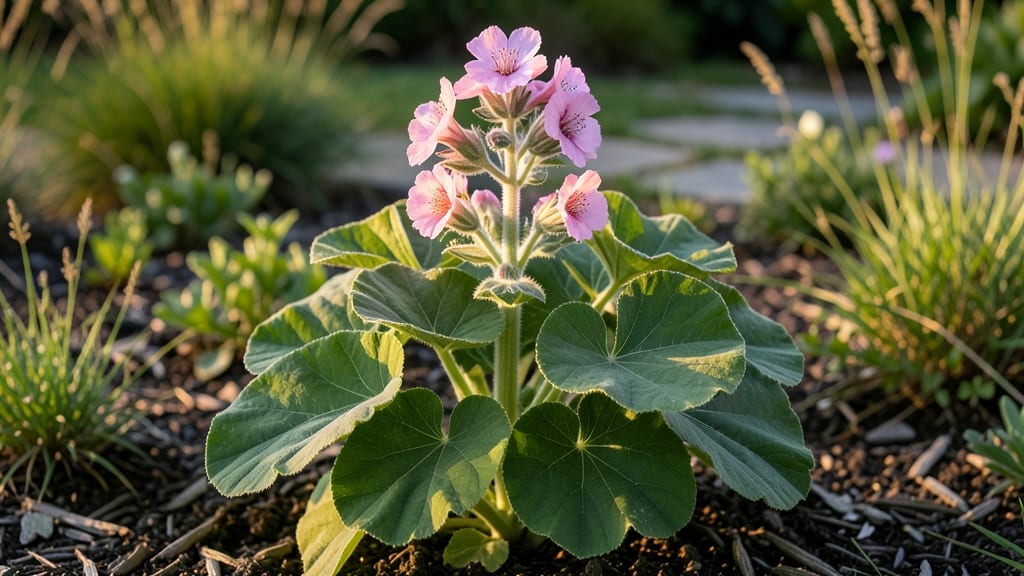
The marsh mallow plant is edible when prepared properly, with its roots traditionally used for marshmallows and herbal remedies, though raw roots contain toxic saponins. Only young leaves and flowers are safe to eat raw or cooked, while mature roots require thorough boiling to neutralize toxins.
The marsh mallow plant's edibility depends entirely on how you prepare it. 🌿 While the roots are famous for their role in marshmallows and teas, they must be boiled for at least 30 minutes to break down saponins—the natural compounds that cause stomach irritation.
Young leaves and flowers, on the other hand, can be eaten fresh in salads or lightly cooked, offering a mild, slightly sweet flavor similar to okra.
I always recommend harvesting from pesticide-free areas and avoiding mature roots unless properly detoxified, as even boiled roots can leave a soapy aftertaste if not prepared correctly.
Historically, this plant has been used in traditional medicine for its mucilage content, which soothes sore throats and digestive issues. Modern chefs sometimes incorporate the leaves into soups or stir-fries, though they're more commonly found in herbal preparations.
The key takeaway? When handled right, marsh mallow adds unique texture and subtle flavor to dishes—but safety comes first.
💡 In This Article
- Identifying Edible Parts of Marsh Mallow Plant
- Traditional and Modern Cooking Uses for Marsh Mallow
Identifying edible parts of marsh mallow plant
The marsh mallow plant (Althaea officinalis) contains distinct parts with varying edibility levels. Its young leaves and flowers are the only components safe to eat raw, offering a mild, slightly sweet flavor with a texture similar to okra or spinach.
The leaves contain 1-2% mucilage, a gel-like substance that thickens when cooked, making them ideal for soups or stews. Harvest these parts in early spring when they're most tender and before the plant develops mature foliage.
The roots are where things get tricky due to their saponin content, which creates a soapy taste and can irritate the digestive tract if consumed raw. Saponins are natural compounds that act as a defense mechanism for the plant, breaking down into toxic levels when ingested in their raw form.
To make them edible, roots must be boiled for at least 30 minutes to reduce saponin levels by up to 90%. Even then, they retain a mild soapy aftertaste that disappears with proper preparation.
Visual identification is key to safe harvesting. Look for the plant's large, velvety leaves and pinkish-white flowers that bloom in summer. The roots are long, thick, and white when fresh, resembling a carrot but with a fibrous texture.
Avoid harvesting near roads or contaminated areas, as the plant readily absorbs heavy metals and pesticides. Always wash harvested parts thoroughly under cool water before use.
What most people don't realize is that the mucilage content in marsh mallow roots increases with age, making older roots more suitable for culinary uses like marshmallows. However, this same mucilage can cause digestive upset if not properly detoxified.
The boiling process not only reduces saponins but also extracts the mucilage, which is why traditional marshmallow recipes call for simmered root extracts rather than raw pieces. 🌱
For those curious about foraging, focus on plants growing in moist, sunny areas like wetlands or riverbanks, where they thrive naturally. The plant's height typically reaches 3-5 feet, with leaves growing in a spiral pattern along the stem.
If you're unsure about identification, consult a local foraging guide or botanist—mistaking marsh mallow for similar-looking plants could lead to consuming toxic lookalikes.
Here's a quick reference for safe consumption:
- Young leaves: Safe raw or cooked; harvest before flowering
- Flowers: Edible raw; add to salads or infuse in oils
- Roots: Must be boiled 30+ minutes to neutralize saponins
- Avoid: Raw roots, mature leaves (can be fibrous), and plants from contaminated areas