
Planting
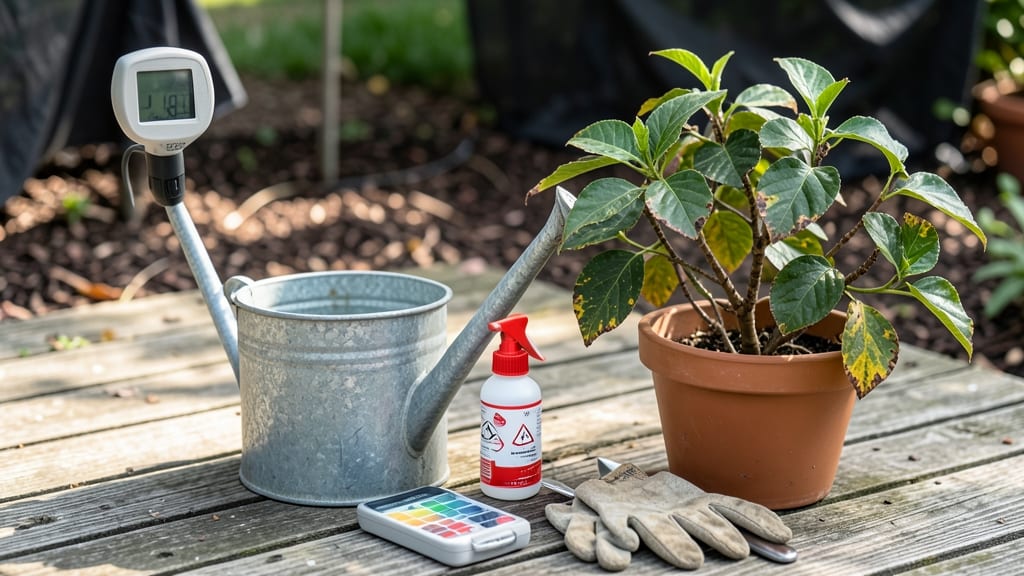
Brown leaves on your Mandevilla mean it’s time to act—before the plant loses its stunning tropical glow. 🌿 I’ve nursed back more than my share of struggling Mandevillas, and the fix almost always starts with checking three key areas: water, light, and hidden pests.
Most gardeners overlook one of these, and that’s what turns a quick recovery into a lost season.
The first clue is in the leaf texture: crispy, brown edges? You’re likely underwatering or dealing with salt buildup from tap water. Yellowing with brown spots? That’s often overwatering or fungal stress.
And if you spot tiny webs or sticky residue, pests are the culprits. The good news? Each problem has a simple, fast solution—no guesswork required.
By the end of this, you’ll know exactly how to revive your Mandevilla’s lush foliage in just 3 steps, plus how to keep it thriving so this never happens again.
Think of it as a reset button for your plant’s health—no professional needed unless you spot something truly stubborn like root rot.
Here’s the game-changer: the fix often takes less than 15 minutes and uses supplies you already have. Let’s get your Mandevilla back to its vibrant, vine-filled glory—where every leaf stays rich green and every bloom stays showstopping.
Root Causes Of Browning Leaves
Understanding why your Mandevilla plant’s leaves turn brown starts with identifying the underlying stress factors. These tropical beauties thrive in warmth and humidity, so even minor shifts in their environment can trigger distress.
Below, we break down the most common culprits—each with a clear scientific explanation and actionable insights to help you diagnose the issue.
Mandevillas despise soggy roots, and excessive moisture is a leading cause of brown, mushy leaves.
When soil stays too wet for prolonged periods, root rot sets in due to: - Oxygen deprivation in waterlogged soil, suffocating roots. - Fungal or bacterial infections (like Phytophthora or Pythium) thriving in anaerobic conditions. - Nutrient imbalance, as roots can’t absorb water or minerals properly.
Signs to watch for:
- Yellowing leaves that later turn brown and crispy at the edges.
- A foul, rotting smell emanating from the soil.
- Wilting despite damp soil (a classic sign of root stress).
✨ Pro Tip: Stick your finger 1-2 inches into the soil—if it’s damp, wait before watering. Mandevillas prefer slightly dry soil between waterings, especially in cooler months.
While overwatering is a common killer, chronic dehydration can also cause browning.
Mandevillas are drought-tolerant but not drought-loving—severe water loss leads to: - Plasmolysis, where plant cells shrink from water loss, causing leaf edges to crisp and brown. - Stomatal closure, reducing photosynthesis and weakening the plant. - Necrotic spots as cells die from lack of hydration.
Signs to watch for:
- Dry, brittle leaves that curl inward.
- Soil pulling away from the pot edges.
- Leaves falling off with minimal resistance.
💡 Quick Fix: Water deeply until it drains from the bottom, then let the top 1-2 inches of soil dry out before the next watering. Mulching helps retain moisture in pots.
Mandevillas love bright, indirect light, but intense direct sun—especially in hot climates—can scorch leaves. Sunburn occurs when:
- UV radiation exceeds the plant’s tolerance, causing oxidative damage to chlorophyll.
- Transpiration rates spike, leading to water loss faster than roots can replenish.
- Cell membranes rupture from excessive heat, turning leaves brown in sun-exposed patches.
Signs to watch for:
- Bleached or white patches on leaves (early sunburn).
- Crispy, papery edges where sunlight hits hardest.
- Wilting during peak afternoon heat (even with adequate water).
🎯 Solution: Gradually acclimate your Mandevilla to morning sun only if moving it outdoors. In pots, use light-colored containers to reflect excess heat and provide afternoon shade during scorching days.
Brown leaves can also signal imbalanced nutrition, whether from deficiencies or excess fertilizers. Key issues include:
| Symptom | Likely Cause | Solution |
|---|---|---|
| Yellowing between veins | Magnesium deficiency (chlorosis) | Apply Epsom salt (1 tbsp/gallon of water). |
| Brown leaf tips | Potassium deficiency or salt buildup | Flush soil with water; use balanced fertilizer. |
| Purple-tinged leaves | Phosphorus deficiency | Switch to a high-phosphorus fertilizer. |
| Burnt leaf edges | Excess salt or fertilizer | Repot with fresh soil; water thoroughly. |
⚠️ Warning: Mandevillas are sensitive to fluoride and boron in tap water. If your water is hard, use distilled or rainwater to avoid toxicity.
While less common than environmental factors, pests and diseases can cause browning. Look for:
- Spider mites (tiny webs + stippled brown leaves).
- Scale insects (sticky residue + yellowing/browning).
- Fungal leaf spot (dark brown spots with yellow halos, often from overhead watering).
🔪 Treatment:
- Neem oil spray (for pests).
- Fungicide (for leaf spot).
- Prune affected leaves to prevent spread.
Mandevillas cannot tolerate temps below 40°F (4°C). Cold damage causes:
- Cell membrane rupture from ice crystal formation.
- Reduced enzyme activity, halting growth and turning leaves brown.
- Fungal infections (like Botrytis) thriving in damp, chilly conditions.
Signs to watch for:
- Brown, water-soaked patches (early frost damage).
- Drooping leaves that stiffen (irreversible cold shock).
- Blackened stems in severe cases.
✨ Prevention: Move potted Mandevillas indoors before the first frost or use frost cloth for outdoor plants. Avoid placing them near drafty windows or AC vents.
Quick Fixes for Reviving Brown-Leafed Mandevillas
Seeing your Mandevilla plant’s leaves turn brown can feel like a gut punch—especially when you’ve nurtured it with love! 🌿 But don’t toss it yet. Most brown leaves are fixable with targeted care. Below are practical, step-by-step solutions tailored to the most common causes, plus pro tips to keep your plant thriving long-term.
If the soil stays soggy for too long, roots suffocate, leading to brown, mushy leaves (often starting at the edges).
How to Fix It:
🔥 Step 1: Check the Soil Moisture
- Stick your finger 1–2 inches into the soil. If it’s damp, wait to water. Mandevillas prefer the top inch to dry out between waterings.
🍳 Step 2: Improve Drainage
- Repot your plant in a container with drainage holes (if not already present). Use a well-draining potting mix like a blend of:
- 50% cactus/succulent mix
- 30% perlite or pumice
- 20% peat or coconut coir
👨🍳 Step 3: Adjust Watering Habits - Water only when the top 1–2 inches of soil are dry.
In summer, this might mean watering every 3–5 days; in winter, stretch it to 7–10 days. - Pro Tip: 💡 Use a moisture meter or the "squeeze test"—if the soil clumps when pressed, it’s too wet.
🥘 Step 4: Trim Damaged Leaves
- Snip off brown, mushy leaves with clean scissors to prevent rot from spreading.
Prevent Future Issues:
✅ Upgrade your pot to terracotta (breathable) or add a layer of gravel at the bottom for extra drainage. ✅ Water in the morning to allow excess moisture to evaporate during the day.
Mandevillas love light but can get sunburned if exposed to harsh afternoon rays, especially in hot climates. Brown, crispy patches on leaves are a classic sign.
How to Fix It:
🔥 Step 1: Move to Partial Shade
- Gradually acclimate your plant to morning sun + afternoon shade (or dappled light indoors). Avoid south-facing windows or full sun outdoors.
🍳 Step 2: Shield from Harsh Light
- Use a sheer curtain or shade cloth (30–50% coverage) if moving it isn’t an option. For outdoor plants, place them under a patio cover or near a tree.
👨🍳 Step 3: Boost Humidity (Indoor Plants)
- Mandevillas thrive in humidity of 40–60%. Place the pot on a tray of pebbles with water, or use a humidifier nearby.
🥘 Step 4: Prune Sun-Damaged Leaves
- Trim affected leaves to encourage new, healthier growth.
Prevent Future Issues:
✅ Monitor leaf color—if new leaves turn yellowish-green, it’s getting too much sun. ✅ Rotate the pot weekly to ensure even light exposure.
Cold drafts, sudden temperature drops (below 50°F/10°C), or drying winds can cause leaf edges to brown and crisp.
How to Fix It:
🔥 Step 1: Find a Stable Spot
- Keep your Mandevilla in a location with consistent temperatures between 60–85°F (15–29°C). Avoid:
- Near AC vents or drafty doors
- Under ceiling fans or open windows in winter
🍳 Step 2: Protect from Wind
- If outdoors, place it in a sheltered spot (e.g., near a wall or fence). Use a windbreak if needed.
👨🍳 Step 3: Insulate in Cold Weather
- Move potted plants indoors before temperatures drop below 50°F (10°C). If you must keep it outside, wrap the pot in bubble wrap or use a frost cloth.
🥘 Step 4: Check for Pests
- Cold stress weakens plants, making them prone to spider mites or aphids. Wipe leaves with a damp cloth or spray with neem oil if you spot pests.
Prevent Future Issues:
✅ Use a heat mat (for indoor plants) if your home runs cold at night. ✅ Avoid fertilizing in extreme heat or cold—it stresses the plant further.
Brown leaves can also signal too much salt (from fertilizer burn) or a lack of key nutrients like nitrogen, magnesium, or iron.
How to Fix It:
🔥 Step 1: Flush the Soil
- If you suspect fertilizer burn, repot the plant or flush the soil by watering it thoroughly with room-temperature water for 10–15 minutes until water runs out the drainage holes.
🍳 Step 2: Adjust Fertilizer Routine
- Use a balanced, water-soluble fertilizer (like 20-20-20) diluted to half-strength. Feed every 4–6 weeks in spring/summer, and stop fertilizing in fall/winter.
👨🍳 Step 3: Test Soil pH
- Mandevillas prefer slightly acidic soil (pH 6.0–6.5). Use a soil test kit to check and amend with:
- Lime (to raise pH)
- Sulfur or peat moss (to lower pH)
🥘 Step 4: Add Organic Matter
- Mix in compost or worm castings to replenish nutrients naturally.
Prevent Future Issues:
✅ Follow the "less is more" rule—under-fertilizing is safer than overdoing it. ✅ Use liquid fertilizers instead of slow-release granules to avoid salt buildup.
Brown leaves can be a symptom of pests (like spider mites or scale) or fungal/bacterial infections (e.g., root rot or leaf spot).
How to Fix It:
🔥 Step 1: Identify the Problem
- Check the undersides of leaves and stems for:
- Tiny webs (spider mites)
- Sticky residue (aphids or mealybugs)
- Black spots (fungal disease)
🍳 Step 2: Treat Pests
- For soft-bodied pests (aphids, mealybugs): Spray with soapy water (1 tsp mild soap + 1 quart water) or neem oil.
- For spider mites: Wipe leaves with a damp cloth or use insecticidal soap.
- For scale: Scrape off with a soft brush dipped in rubbing alcohol.
👨🍳 Step 3: Address Fungal Issues
- If leaves have black or brown spots with yellow halos, it’s likely a fungal infection.
- Remove affected leaves immediately.
- Spray with a copper fungicide or baking soda mix (1 tsp baking soda + 1 quart water + a drop of dish soap).
🥘 Step 4: Prevent Recurrence
- Improve air circulation by spacing plants apart.
- Avoid overhead watering—water at the base instead.
Prevent Future Issues:
✅ Inspect new plants before bringing them indoors. ✅ Quarantine sick plants until they recover to avoid spreading issues.
With these targeted fixes, your Mandevilla should bounce back in 2–4 weeks, showing off vibrant new growth. 🌟 The key is acting fast and addressing the root cause—literally and figuratively! For persistent issues, consider sharing a photo with a local nursery expert for a second opinion.
Frequently asked questions
Why do my Mandevilla leaves turn brown in winter?
Cold drafts and low light trigger browning in winter. Mandevillas need consistent warmth (60-85°F)—move them away from drafty windows or AC vents. If indoors, place near a sunny window or use a grow light. Brown edges from winter stress usually recover once temperatures stabilize.
Can I save my Mandevilla if the brown leaves are crispy and dry?
Yes, but act fast! Trim the damaged leaves to stop nutrient loss, then check watering—crispy leaves often mean underwatering or salt buildup. Flush the soil with distilled water and adjust to watering only when the top 1-2 inches of soil are dry. Most plants bounce back in 2-3 weeks with proper care.
Are brown spots with yellow edges a sign of disease?
Likely! These symptoms suggest fungal leaf spot (common from overhead watering). Prune affected leaves immediately, then treat with a copper fungicide or baking soda spray (1 tsp baking soda + 1 quart water). Avoid wetting foliage when watering—always pour at the soil base.
How often should I fertilize a Mandevilla with brown leaves?
Stop fertilizing immediately if you see brown tips—it’s likely salt burn. Once recovered, use a balanced fertilizer (20-20-20) at half-strength every 4-6 weeks in spring/summer. In winter, fertilize only if leaves show new growth. Overfeeding stresses Mandevillas more than underfeeding.
Will pruning brown leaves help my Mandevilla recover faster?
Pruning removes dead tissue that drains energy. Use clean scissors to cut just above a leaf node (where leaves grow). This stimulates new growth and prevents fungal spread. For severe cases, trim back 1/3 of the plant—it’ll regrow lushly in 4-6 weeks with proper care.