
Planting
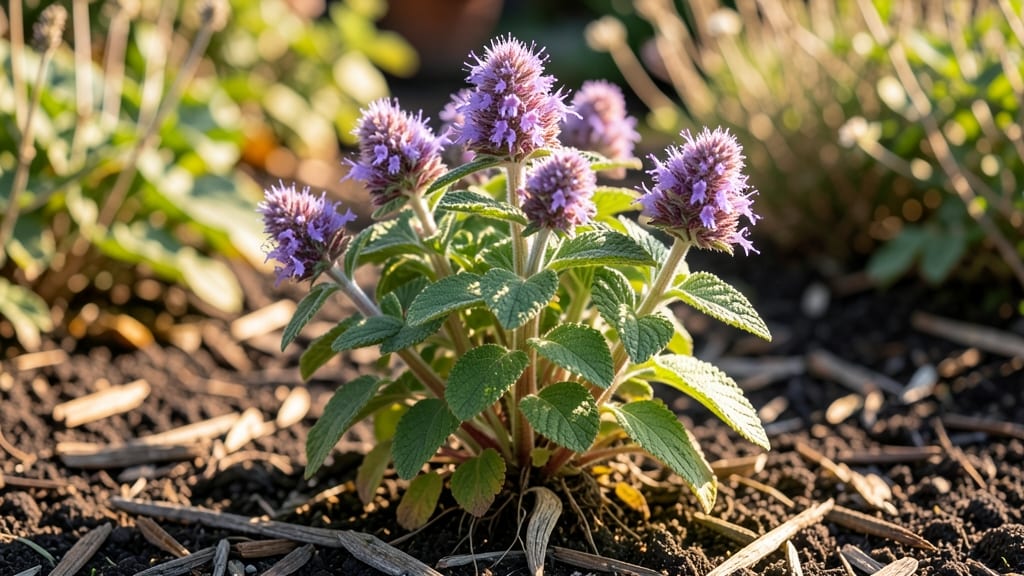
A live catnip plant for cats thrives in well-draining soil with full sunlight, grows best in USDA zones 3-9, and should be harvested when stems reach 6-8 inches for peak potency. Regular trimming keeps the plant lush and extends its effectiveness for your feline friends.
A live catnip plant for cats isn't just about growing a pretty herb—it's about creating a sensory experience your cat will love. 🌱 The key to a successful catnip garden lies in replicating its natural habitat: loose, sandy soil mimics its Mediterranean origins, while full sun ensures those potent nepetalactone oils develop properly.
I've found that planting in containers gives you more control over drainage, which is critical since soggy roots can kill the plant's potency before your cat even gets to it.
Here's a pro tip: most catnip plants start showing visible effects on cats within 2-3 weeks of planting, but the real magic happens when you harvest the leaves at the right time. The 6-8 inch mark isn't arbitrary—it's when the plant has built up maximum oil content.
And don't be afraid to prune aggressively; cutting back by one-third every few weeks actually makes the plant bushier and more productive over time.
💡 In This Article
- How Catnip Plants Attract and Excite Cats
- Step-by-Step Guide to Growing and Harvesting Catnip
How catnip plants attract and excite cats
The magic of catnip lies in its chemical composition, specifically the compound nepetalactone, which acts like a natural aphrodisiac for cats.
When your feline friend rubs against the plant or chews its leaves, these oils bind to receptors in their nasal cavity and trigger a euphoric response similar to how humans experience mild intoxication from alcohol—just without the hangover. 🐱 This reaction is so powerful that about 50-70% of cats are genetically predisposed to feel its effects, though sensitivity varies by individual.
The potency of fresh catnip is 2-3 times stronger than dried varieties because the nepetalactone oils degrade over time when exposed to air.
When you harvest stems at 6-8 inches, you're capturing the plant at peak oil production—this is when the leaves contain the highest concentration of these irresistible compounds.
Interestingly, cats are most attracted to the younger, tender leaves rather than the woody stems, which is why regular pruning (cutting back by one-third) maintains a continuous supply of fresh, potent foliage.
What happens next is pure feline behavior science: once a cat inhales those oils, their brain releases dopamine, creating that signature "high" that lasts 5-15 minutes. This explains why cats roll, rub, and sometimes even drool when exposed—it's not just play, it's a genuine sensory experience.
The freshness factor is critical here; dried catnip loses potency within 6 months, while a well-maintained live plant can provide months of continuous stimulation for your cat's natural hunting instincts and exploratory behaviors.
Here's a fascinating detail: catnip's effects wear off after repeated exposure, typically within 30-60 minutes, which is why many cats lose interest after a few sessions. This temporary resistance is actually beneficial—it prevents overstimulation and allows your cat to experience the full sensory impact each time.
For maximum appeal, rotate between different catnip plants or mix fresh leaves with dried alternatives to keep the experience novel and exciting.
If you've ever wondered why some cats ignore catnip while others go wild, the answer lies in their genetics. Only cats with the Feline Variability Region (FVR) gene respond to nepetalactone, and even then, sensitivity can range from mild curiosity to full-blown euphoria.
Kittens under 6 months old usually don't react at all, as their sensory systems haven't fully developed yet. This genetic variability is why you might see dramatic differences in reactions even among littermates!
For the best results, introduce catnip to your cat during their most active periods—typically morning or evening.
The combination of fresh plant aromas and your cat's natural hunting instincts creates an irresistible sensory cocktail. 🌿 What's amazing is how this simple plant taps into such deep feline behaviors, making it one of nature's most effective tools for cat enrichment.