
Planting
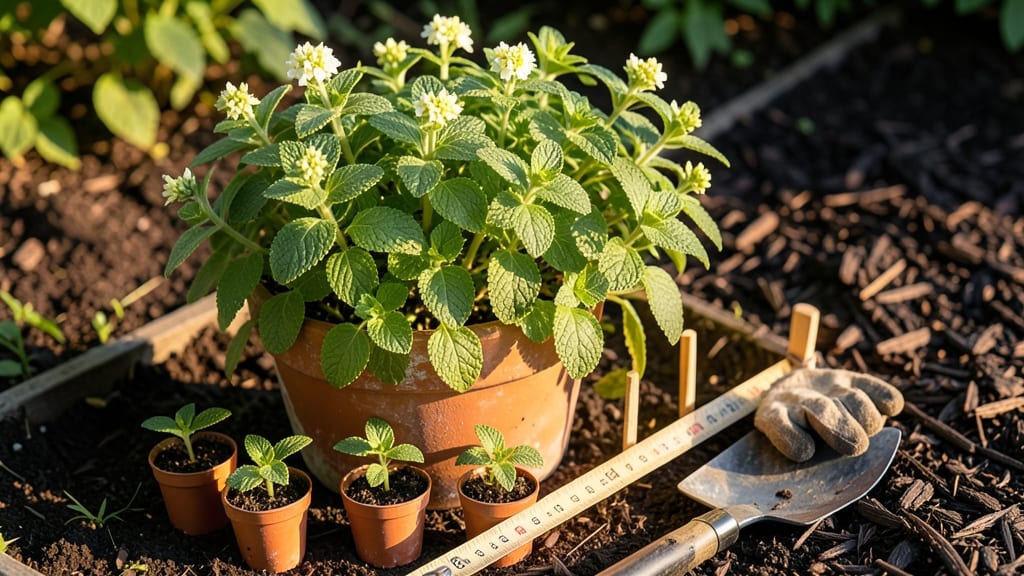
Spacing lemon balm properly is the key to lush, fragrant growth 🍋—and most gardeners get it wrong, leading to stunted plants and lost harvests.
If you’ve ever planted lemon balm too close and watched it struggle with mildew or weak stems, you know how critical this step is. The right distance ensures airflow, sunlight, and room to spread, which means more leaves and fewer pests.
For in-ground planting, aim for 12 to 18 inches apart—this gives roots space to breathe while keeping the plant dense enough for easy harvesting. Containers? Halve that distance, but don’t skimp on depth.
Below, I’ll break down the exact spacing for your climate, how to fix overcrowded beds, and the best companion plants to pair with lemon balm for a thriving herb patch.
Optimal lemon balm spacing for healthy bushy growth
If you've ever planted lemon balm only to watch it grow leggy and sparse, proper spacing is likely the culprit. This hardy herb thrives when given room to spread—12 to 18 inches apart is the golden rule for bushy, productive plants.
Too close, and you'll invite fungal diseases and stunted growth; too far, and you waste garden space. Let's break down the ideal spacing for your lemon balm, whether you're planting in-ground or in containers.
Lemon balm spreads aggressively through underground runners, so air circulation becomes critical. In full sun, plants need the full 18-inch spacing to prevent overcrowding, while partial shade allows for slightly tighter 12-inch spacing.
This difference ensures your plants get enough sunlight and airflow regardless of their location. Understanding these nuances will transform your lemon balm from a struggling herb to a fragrant, leafy powerhouse.
Why spacing matters goes beyond just aesthetics. Proper spacing reduces humidity buildup between plants, cutting down on powdery mildew—a common issue with lemon balm. It also allows each plant to develop a strong root system, leading to more vigorous growth and higher yields of those prized lemon-scented leaves. Think of it as giving your plants their own personal space to thrive.
| Planting Method | Ideal Spacing | Sunlight Needs | Key Benefits |
|---|---|---|---|
| In-Ground (Full Sun) | 18 inches apart | 6+ hours daily | Maximizes leaf production, reduces mildew risk |
| In-Ground (Partial Shade) | 12 inches apart | 3-6 hours daily | Prevents leaf scorch, maintains aroma |
| Containers (5+ gallon pots) | 6-12 inches apart | 3-6 hours daily | Compact growth, easy harvest, portable |
| Window Boxes | 8-10 inches apart | Morning sun only | Space-efficient, great for small gardens |
| Overcrowded Plants | Less than 12 inches | Any | Increased disease, weak stems, poor yield |
For in-ground planting, start by marking your garden bed with stakes or string to ensure 18-inch intervals in full sun. If your garden gets only partial shade, you can reduce this to 12 inches.
Use a trowel to dig small holes just deep enough to accommodate the roots without burying the stem. This method ensures your lemon balm establishes quickly and avoids the shock of improper planting depth.
When growing lemon balm in containers, opt for pots that are at least 5 gallons in size. In these cases, space plants 6 to 12 inches apart, depending on the pot's width.
Containers allow you to control spacing more precisely, making them ideal for urban gardeners or those with limited space. Just ensure each pot has drainage holes to prevent root rot—a common issue with overwatered container herbs.
One of the biggest mistakes I see is planting lemon balm too close together in hopes of a "denser" patch. While this might look full initially, it often leads to weak, leggy stems and fewer leaves for harvesting.
Instead, embrace the 12-to-18-inch rule and watch your plants reward you with thick, bushy growth and abundant foliage. Proper spacing also makes it easier to harvest leaves without damaging neighboring plants.
If you're planting lemon balm near other herbs, consider its aggressive spreading habit. Avoid planting it next to delicate herbs like thyme or oregano, as it can overtake them. Instead, pair it with companion plants like mint or parsley, which thrive in similar conditions.
This not only maximizes your garden's efficiency but also creates a harmonious herb garden that's both productive and visually appealing.
To maintain optimal spacing over time, prune your lemon balm regularly. Pinch back the tips of new growth to encourage bushier growth and prevent the plant from becoming too leggy.
This practice also stimulates the production of more aromatic leaves, which is what you're growing lemon balm for in the first place. Aim to prune every 4 to 6 weeks during the growing season to keep your plants healthy and productive.
Remember, lemon balm is a perennial in many climates, meaning it will return year after year. If you're in a warmer zone, it may even spread beyond your intended bed.
To keep it contained, consider installing a barrier like landscape fabric or a buried pot around the edges of your planting area. This simple step will save you from dealing with lemon balm taking over your entire garden!
By following these spacing guidelines, you'll create an environment where your lemon balm can truly thrive. Whether you're growing it for tea, culinary uses, or simply its fragrance, proper spacing is the foundation of a healthy, productive plant.
Happy gardening, and may your lemon balm be as lush as it is aromatic! 🌿
Common mistakes in lemon balm spacing and how to fix them
If your lemon balm plants look weak or develop powdery mildew, chances are your spacing is the culprit. Overcrowding is the #1 mistake I see in herb gardens, and it directly impacts airflow, sunlight exposure, and overall plant health.
Without proper spacing, your lemon-scented leaves will struggle to reach their full potential.
Many gardeners assume herbs like lemon balm can handle tight spaces, but this hardy perennial actually thrives when given room to spread. The ideal spacing of 12-18 inches between plants creates the perfect balance for air circulation and sunlight penetration.
When this spacing is ignored, you're inviting fungal diseases and stunted growth into your garden.
- Powdery mildew from poor airflow
- Stunted growth due to competition
- Weak stems from overreaching
Climate plays a surprising role in spacing needs. In humid climates, like the Southeast US, you'll want to increase spacing to 18-24 inches to prevent fungal issues. The extra room allows air to circulate more freely, reducing moisture retention on leaves.
Meanwhile, in dry climates, you can space plants slightly closer (12-15 inches) since they'll need less competition for water.
For already-planted beds that are too crowded, don't panic—there's a simple 3-step fix. First, identify the most vigorous plants and carefully transplant them to new locations. Next, thin out weaker stems at the base to create more space.
Finally, add a 2-inch layer of mulch around the remaining plants to improve soil health and reduce competition.
Remember that lemon balm spreads aggressively through rhizomes, so proper spacing now will save you from dealing with invasive roots later. If you're growing in containers, space plants 6-12 inches apart to prevent root binding.
The key is balancing their natural spreading habit with the need for adequate airflow and sunlight.
Once you've corrected your spacing, monitor your plants for 3-4 weeks to see improvements in leaf size and vigor. Properly spaced lemon balm will reward you with abundant, fragrant leaves perfect for teas, culinary uses, or simply enjoying the citrusy aroma in your garden.
With the right spacing, your lemon balm will thrive year after year! 🌿