
Planting
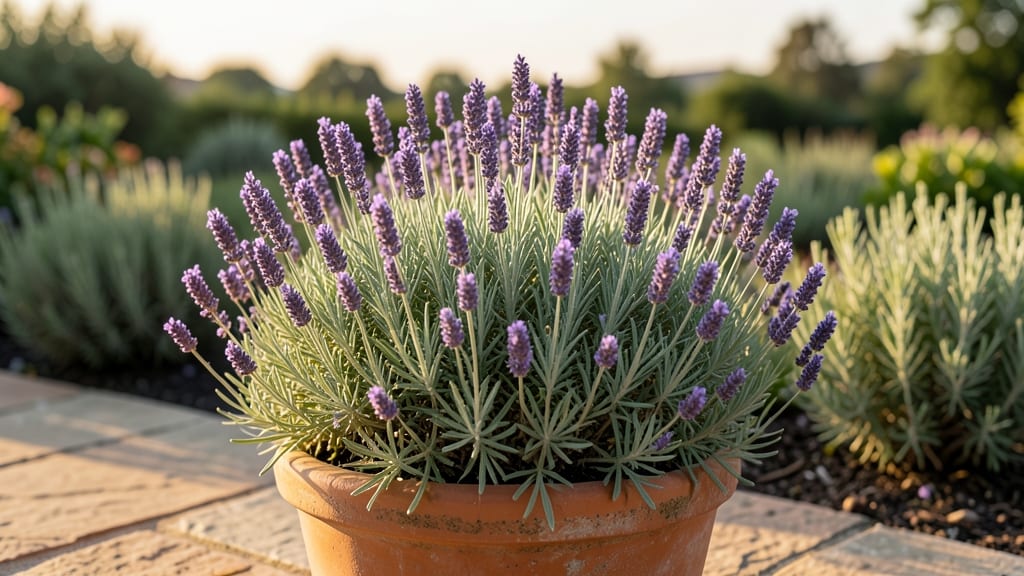
A lavender plant Christmas tree brings holiday magic with its fragrant purple foliage and silvery stems—no needles required. 🌿 Last winter, I swapped our traditional tree for a thriving lavender bush draped with twinkling lights, and the scent alone made it unforgettable.
The best part? It’s alive, aromatic, and ready to bloom again next year.
You’ll need a mature lavender bush (or several smaller ones shaped into a tree form), festive lights, and a few natural decor touches like pinecones or dried oranges.
The key is spacing the branches just right so they mimic a tree’s natural shape while keeping that signature lavender fragrance front and center. Even in small spaces, this works—my balcony setup turned heads at every holiday gathering.
By December, your lavender Christmas tree will fill the air with its signature scent and create a show-stopping centerpiece that’s as functional as it is beautiful. The silvery-green leaves contrast perfectly with gold ornaments, and the scent lingers long after the tree is gone.
Plus, it’s a living decoration that keeps giving—prune it back in spring, and it’ll thrive for years.
Works for patios, porches, or even indoors with proper light. The only rule? Skip the heavy ornaments—lavender branches are delicate but sturdy enough for lightweight decor. Here’s how to make yours the talk of the season.
📚 In This Guide
- What you need
- Instructions
- Tips and common mistakes
- Wrapping up and next steps
What you need
- ● Lavender plants: 12–20 healthy, medium-sized lavender plants (e.g., Lavandula angustifolia or Lavandula × intermedia). Choose plants with sturdy stems (6–12 inches tall) for structure.
- ● Container or pot: A large, shallow, and wide container (12–18 inches in diameter) with drainage holes. Options: ceramic, wooden barrel, or a repurposed decorative planter.
- ● Potting soil: 3–5 gallons of well-draining, cactus/succulent mix or a blend of potting soil (60%) and perlite/sand (40%).
- ● Support structure: A small wooden or metal trellis, chicken wire frame, or sturdy stakes (if using taller lavender varieties).
- ● Pruning shears: Sharp, clean shears for trimming plants to shape your tree.
- ● Watering can or hose: With a gentle spray nozzle to avoid disturbing the soil.
- ○ Decorative accents (optional but fun!): Miniature fairy lights (battery-operated, waterproof).
- ● Small wooden ornaments (e.g., stars, hearts, or holiday shapes).
- ● Twine or jute rope for wrapping stems (for a rustic look).
- ● 🌡️ Climate check: Lavender thrives in USDA zones 5–9. If you’re in a colder zone, plan to bring your tree indoors during winter or use potted lavender that’s winter-hardy.
- ● ✨ Lighting safety: If using fairy lights, opt for LED strings rated for outdoor use and avoid overcrowding to prevent fire hazards.
- ● 🔥 Pruning hack: Trim lavender stems at a 45-degree angle to encourage bushier growth and better water absorption.
Step-by-Step instructions for creating a lavender plant Christmas tree
Here's how to craft a fragrant, purple-hued holiday centerpiece that brings the garden indoors.
🌿 Step 1: Select and Prepare Your Lavender Plants
Choose 4-6 healthy lavender plants with full, bushy growth—this ensures your "tree" has volume and texture. I like English lavender varieties like 'Munstead' or 'Hidcote' for their compact, rounded shapes. Remove any wilted or browned stems with clean scissors to refresh the foliage.
Trim the longest stems to about 12-18 inches for uniformity. This creates a tapered look that mimics a natural tree shape. Gently shake off any dust or debris from the leaves—lavender's silvery-green foliage should look clean and vibrant. Place the plants in a bucket of room-temperature water for 1-2 hours to hydrate them before arranging.
✂️ Step 2: Shape and Bundle the Stems
Start by selecting the tallest stem as your "trunk." Tie it to a 6-inch wooden dowel (or sturdy floral wire) at the base with twine or floral tape, leaving 4-6 inches of stem exposed. This gives your tree a sturdy base. Next, group the remaining stems in a pyramid shape, with the shortest at the top and longest at the bottom.
Bundle the stems tightly together using twine or floral wire, wrapping every 2-3 inches to secure. Leave 2-3 inches of stem exposed at each wrap for airflow. The goal is a tapered, tree-like silhouette—think of a mini fir tree but with lavender's silvery-purple hues. Step back occasionally to check the balance; you want a full, rounded shape, not a lopsided silhouette.
🪴 Step 3: Secure the Tree and Add Finishing Touches
Place your bundled lavender "tree" into a wide, shallow container filled with 1-2 inches of pebbles or moss for drainage. This keeps the stems stable while allowing excess water to escape. Wrap the base of the dowel with twine or floral wire to secure it to the container's rim, ensuring it stands upright.
For extra holiday flair, add miniature ornaments like tiny pinecones, dried citrus slices, or even small white fairy lights (battery-operated for safety). I like to sprinkle dried lavender buds around the base for a fragrant, textured finish. Avoid heavy decorations—lavender is delicate, and you don’t want to weigh down the stems.
☀️ Step 4: Maintain and Display Your Lavender Tree
Place your lavender tree in a bright, indirect light spot—like near a sunny window or under a grow light. Avoid direct sunlight, which can dry out the foliage too quickly. Mist the leaves lightly every 2-3 days to keep them fresh, but don’t soak the stems. Lavender thrives on low humidity, so a dry indoor environment is perfect.
Your tree will last 1-2 weeks with proper care. If the stems start to wilt, trim them back slightly and place the entire arrangement in a bucket of water for 1-2 hours to revive it. Display it as a centerpiece, on a mantel, or even as a fragrant garland draped over a doorway. The scent alone will make your holiday space feel cozy and inviting.
Tips & tricks for perfect lavender plant Christmas trees
Here's what nobody tells you about keeping your fragrant foliage arrangement looking its best all season.
Selection Tip: Look for lavender plants with stems that are firm to the touch and leaves that have a silvery-gray hue—not yellowed or browned. The more compact the growth, the better it will hold its shape when bundled. I've found that 'Munstead' and 'Hidcote' varieties hold up particularly well because their stems are sturdy enough to support the arrangement without bending.
Hydration Secret: The 1-2 hour hydration step in Step 1 is crucial—don't skip it! This initial soaking helps the stems absorb water more efficiently, which extends their freshness. If you're short on time, you can increase the water soaking to 3 hours, but don't exceed 4 hours or you risk weakening the stems. For maximum freshness, use room-temperature water rather than cold water from the tap.
Balancing Act: When arranging your stems in Step 2, think of it like building a pyramid. Place the longest stems at the bottom and work your way up to the shortest at the top. This creates that perfect tapered shape. Pro tip: Step back every few minutes to check your progress—what looks balanced up close might not be from across the room. I usually adjust at least twice before I'm satisfied with the silhouette.
Decoration Wisdom: For Step 3, remember that less is more with lavender. Heavy ornaments will weigh down the delicate stems and cause them to bend. Opt for lightweight decorations like dried cranberries, cinnamon sticks, or even tiny wooden beads. If you add fairy lights, use battery-operated ones and place them at the base rather than wrapping them around the stems to prevent heat from drying out the foliage.
Pro Tips for Lavender Plant Christmas Tree
- Here's what nobody tells you about keeping your fragrant foliage arrangement looking its best all season.
- Selection Tip: Look for lavender plants with stems that are firm to the touch and leaves that have a silvery-gray hue—not yellowed or browned.
- Hydration Secret: The 1-2 hour hydration step in Step 1 is crucial—don't skip it!
Frequently asked questions
Got questions about creating your own lavender plant Christmas tree? You’re not alone! Here are some of the most common queries—and their answers—to help you craft the perfect fragrant holiday centerpiece.
Can I use fresh lavender plants as a Christmas tree?
While fresh lavender adds a stunning visual and aromatic touch, it’s not ideal for long-term use as a traditional tree. Lavender stems are brittle and may dry out or shed quickly. Instead, opt for dried lavender bundles or lavender-scented ornaments to preserve the fragrance without the hassle. For a living tree, consider a small potted lavender bush as a tabletop centerpiece!
How long will a lavender plant Christmas tree last?
With proper care, a lavender-themed tree can last 2–4 weeks indoors. To extend its life:
- Trim any wilted stems immediately.
- Mist lightly with water (but avoid oversaturating).
- Place it in a cool, draft-free spot away from heat sources.
What are some alternatives if I can’t find fresh lavender?
No fresh lavender? No problem! Try these fragrant, festive swaps:
- Rosemary or eucalyptus sprigs – Add greenery and a pine-like scent.
- Dried orange slices or cinnamon sticks – Pair with lavender for a warm, spiced aroma.
- Artificial lavender or faux foliage – Machine-washable and reusable for years.
- Pinecones and dried herbs – Create a rustic, earthy look.
Why is my lavender tree drying out so fast?
Lavender is drought-tolerant but can dry out quickly indoors due to low humidity. If your branches are crispy:
- Check for overcrowding—tight arrangements trap moisture and speed up decay.
- Move the tree away from vents or fireplaces (heat accelerates drying).
- For fresh lavender, trim stems at an angle and place in a shallow vase with water (change every 2–3 days).
- Consider a humidifier nearby to slow wilting.
Can I reuse lavender from my tree next year?
If your lavender is still in good condition after the holidays:
- Dry it further by hanging bundles upside down in a dark, dry place for 1–2 weeks.
- Store in airtight containers (like glass jars) with a silica gel packet to preserve scent.
- Use next year for potpourri, sachets, or wreaths.
Wrapping up and next steps
Transforming your space with a lavender plant Christmas tree is more than just a holiday trend—it’s a fragrant, low-maintenance way to bring nature’s elegance indoors. 🌿✨ Whether you’re crafting a tiny tabletop tree or a full-sized statement piece, these purple beauties add a soothing scent and timeless charm to your decor.
Ready to make your holidays even more magical?
Your next step? Gather your supplies and start designing—just remember, the best trees grow from a little creativity and care! Share your lavender tree masterpiece with us; we’d love to see how you make it uniquely yours.