
Planting
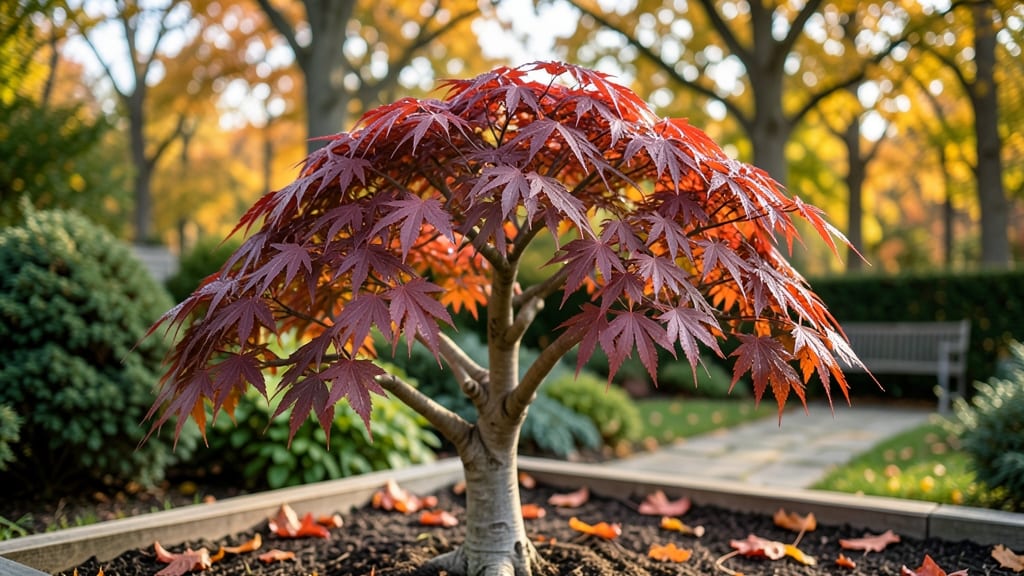
Japanese maples can thrive in Zone 6 when you choose cold-resistant varieties like 'Bloodgood' or 'Autumn Moon,' which handle temperatures down to -10°F (-23°C) with proper soil drainage and wind protection.
Zone 6 winters can be tough on delicate trees, but Japanese maples have proven resilient with the right care.
The key lies in selecting hardy cultivars and creating microclimates that protect roots from extreme cold. 🌳 I’ve seen 'Bloodgood' survive -20°F in sheltered spots, while 'Autumn Moon' maintains its vibrant foliage even when snow blankets the ground.
Proper mulching—adding 3-4 inches of organic material—acts like a thermal blanket, insulating roots through temperature swings.
What sets these varieties apart is their acclimation process. Unlike tropical species, Japanese maples gradually toughen up as fall temperatures drop, developing protective sugars in their tissues. This natural adaptation explains why a well-established tree often outlasts younger plants.
For best results, plant in slightly acidic, well-draining soil and avoid low-lying areas where cold air pools.
💡 In This Article
- Cold Tolerance Factors for Japanese Maples in Zone 6
- Top Japanese Maple Varieties for Zone 6 Gardens
Cold tolerance factors for Japanese maples in Zone 6
Japanese maples survive Zone 6 winters through a combination of biological adaptations and environmental conditions. The key mechanism is their ability to acclimate—a process where trees gradually harden as temperatures drop. During fall, they convert starches into sugars that act as natural antifreeze, protecting cells from freezing damage.
This explains why established trees often outlast younger ones: mature specimens have had years to build this protective layer. 🌟 The root zone plays a critical role too, as roots must stay insulated to prevent frost heave (when soil freezes and expands, damaging roots).
Soil drainage becomes a game-changer in Zone 6's fluctuating temperatures. Heavy clay soils trap moisture, which freezes and creates ice lenses that can rupture roots. Ideal soil should have a mix of organic matter and sand to allow water to drain while retaining moisture.
A 3-4 inch layer of mulch (like shredded bark) adds another layer of protection by moderating soil temperature swings—keeping roots 5-10°F warmer than air temperature during winter. This insulation effect is why mulched trees often survive -15°F when unprotected ones fail at -10°F.
Wind exposure accelerates cold stress by creating a wind-chill effect that dries out leaves and branches. A Japanese maple planted in an open field may experience temperatures 10-15°F colder than one sheltered by a fence or building.
The leaf structure of cold-hardy varieties like 'Bloodgood' (with thicker cuticles) helps reduce moisture loss, while delicate varieties like 'Dissectum' may suffer from desiccation. Planting near evergreens creates a microclimate that buffers temperature extremes, similar to how urban buildings protect street trees from harsh winds.
Varietal differences in frost resistance come down to genetic hardiness zones. For example, 'Autumn Moon' (Zone 5-9) handles -20°F when properly sited, while 'Shishigashira' (Zone 5-8) may need winter wrapping for its upright growth habit.
The cambial layer (growth tissue) in hardy varieties thickens more aggressively in response to cold, creating a protective barrier. This is why pruning in late winter (after dormancy) removes less vital tissue than spring pruning would.
What most gardeners overlook is the timing of cold snaps. Japanese maples are most vulnerable during temperature fluctuations—when daytime thaws followed by nighttime freezes occur. These cycles stress the tree by causing repeated freeze-thaw cycles in the soil.
To mitigate this, water trees deeply before the first hard frost to ensure roots are hydrated, and avoid fertilizing in late summer, which encourages tender new growth that won't harden properly before winter. 💫
For maximum protection, combine these factors: plant in sheltered, well-draining spots, use 3-4 inches of mulch, and choose varieties bred for cold resistance. The result? A Japanese maple that not only survives Zone 6 winters but thrives, displaying vibrant foliage come spring.
This approach turns potential winter damage into an opportunity to showcase the tree's natural resilience.