
Planting
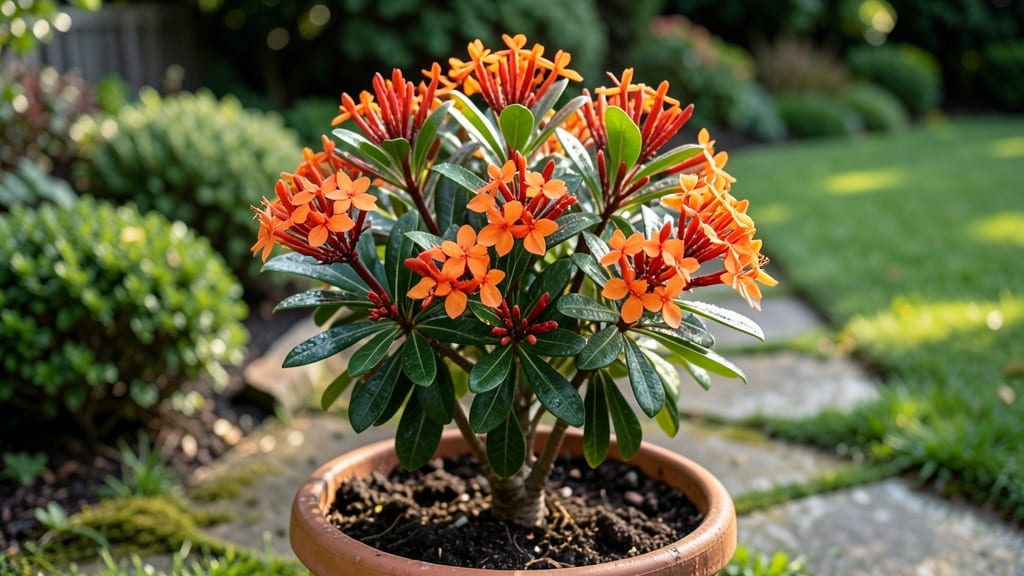
Your garden just got a burst of sunshine with an orange ixora plant—those fiery clusters of blooms make every patio or landscape feel like a tropical escape. 🌺 I’ve grown these showstoppers for years, and the secret to their nonstop color?
Mimicking their natural tropical home with just a few key tweaks. Start with well-draining soil and a spot that gets morning sun to afternoon shade—too much direct heat wilts those delicate blooms faster than you’d think.
Water deeply but let the top inch dry between sessions; soggy roots are the #1 enemy of these thirsty beauties. Prune lightly after blooming to encourage fresh growth, and watch as new clusters form by midsummer.
What you’ll end up with is a shrub that looks like it belongs in a resort, not your backyard. The blooms last for weeks, hummingbirds can’t resist them, and they even thrive in large containers if space is tight. Just avoid cold snaps—these divas demand warmth year-round.
Perfect for Florida, California coastlines, or any zone 10-12 garden. Here’s how to keep yours thriving all season long!
📚 In This Guide
- What you need
- Instructions
- Tips and common mistakes
- Wrapping up and next steps
What you need
- ● Ixora Plant (Orange Variety): 1-2 healthy nursery-grown plants (6-12 inches tall). Look for full, lush foliage and buds forming for guaranteed blooms!
- ● Well-Draining Potting Mix: 1 bag (5-10 gallons) of a peat-based or coconut coir mix blended with perlite or sand (50/50 ratio) for aeration.
- ● Pot or Garden Bed: For Containers: 1-2 12-18 inch diameter pots with drainage holes (terracotta or ceramic preferred).
- ● For Ground Planting: A sunny, sheltered spot with 6+ hours of direct sunlight and well-draining soil (amend with compost if needed).
- ● Fertilizer: Balanced Liquid Fertilizer (10-10-10 or 20-20-20): 1 bottle (8-16 oz) for monthly feeding during growing season (spring-fall).
- ○ Slow-Release Granular Fertilizer (Optional): 1 small bag (5 lbs) for spring planting.
- ● Pruning Shears: 1 pair of sterilized, sharp shears (for trimming dead blooms or shaping the plant).
- ● Watering Can or Hose: With a spray nozzle for gentle watering.
- ○ Mulch (Optional): 1 bag of organic mulch (pine bark or shredded leaves) to retain moisture and regulate soil temperature.
- ● Climate: Thrives in USDA Zones 10-11 (or as a houseplant in cooler zones with proper care).
- ● Sunlight: 6+ hours of bright, indirect sunlight daily (morning sun is ideal).
- ● Watering Routine: Keep soil consistently moist but not soggy (water when the top 1-2 inches of soil feel dry).
- ● Humidity: Prefers 50-70% humidity (use a humidifier or pebble tray indoors if air is dry).
- ● Pruning Knowledge: Learn to trim spent blooms to encourage new flowers (watch a quick tutorial if needed!).
Step-by-step instructions for growing a thriving orange ixora
Here’s how to coax those brilliant orange blooms into full, lush display with minimal fuss.
🪴 Step 1: Choose the Right Pot and Soil for Your Ixora
Ixoras love to spread their roots, so pick a container at least 12-15 inches wide and deep—they’ll reward you with more flowers when they’re not root-bound. Terra cotta pots work best because they breathe, but plastic will do if you’re diligent about watering. Drainage holes are non-negotiable; these plants hate soggy feet.
Use a well-draining potting mix—I blend equal parts pearlite or perlite, orchid bark, and regular potting soil to keep things airy. The mix should feel like a damp sponge when squeezed; if it holds water like a rock, add more perlite. Amend with a handful of slow-release fertilizer (look for one with balanced NPK like 10-10-10) to give your ixora a nutrient boost right from the start.
☀️ Step 2: Position for Maximum Sun and Humidity
Orange ixoras are sun-worshippers—place them where they’ll get at least 6 hours of direct sunlight daily. A south-facing window or patio works, but if you’re growing indoors, supplement with a grow light for 12-14 hours a day. You’ll know they’re happy when the leaves stay deep green and the blooms open wide; leggy stems or pale leaves mean more light.
These tropical beauties also love humidity. If your home runs dry, mist the plant 2-3 times a week or set the pot on a tray filled with pebbles and water (just make sure the pot isn’t sitting directly in water). Grouping it with other houseplants creates a microclimate that mimics their native jungle conditions. Watch for curled leaves—this is your cue to increase humidity or move the plant to a more moist spot.
💧 Step 3: Water Deeply and Consistently
Ixoras prefer their soil to stay evenly moist but never soggy. Water deeply until you see water draining from the bottom, then let the top 1-2 inches of soil dry out before watering again. Overwatering is the quickest way to kill these plants—root rot will turn leaves yellow and cause the stems to soften. If you’re unsure, stick your finger in the soil: if it feels dry up to your first knuckle, it’s time to water.
In summer, you might water every 2-3 days, but in winter, cut back to once a week or less. These plants are drought-tolerant once established, but they’ll reward you with more blooms if you keep them consistently moist. Always water at the base to avoid wetting the leaves, which can lead to fungal issues.
✂️ Step 4: Prune and Fertilize for Continuous Blooms
Pruning isn’t just for shaping—it’s how you encourage more flowers. After the blooming season (usually late summer or fall), trim back any leggy or overgrown stems by about one-third using clean, sharp pruners. Cut just above a leaf node or set of leaves to promote new growth. This is also the time to remove any dead or yellowing leaves to keep the plant healthy.
Feed your ixora every 4-6 weeks during the growing season (spring through fall) with a balanced liquid fertilizer. I switch to a low-nitrogen, high-phosphorus formula (like 5-10-10) when buds start forming to push more blooms. Reduce fertilizing in winter, as the plant enters a semi-dormant phase. Yellow leaves after fertilizing? You’re overdoing it—flush the soil with water to rinse out excess salts.
🌱 Step 5: Watch for Pests and Adjust Care Seasonally
Keep an eye out for aphids, mealybugs, or scale insects, which love to hide on the undersides of leaves. Wipe them off with a damp cloth or spray the plant with neem oil (mix 1 teaspoon with 1 quart of water) to deter pests naturally. If you see sticky residue on leaves, that’s sap from sap-sucking insects—treat it immediately to prevent damage.
In late fall, as temperatures drop, reduce watering and fertilizing. Move the plant to a cooler spot (around 60-65°F) if possible, but keep it away from drafts. With proper care, your ixora will reward you with another round of vibrant orange blooms in late winter or early spring—just in time to brighten up those gloomy months.
Tips & tricks for perfect orange ixora care
These simple strategies will help you coax those stunning orange blooms from your ixora with confidence.
Pot Size Matters: The 12-15 inch container recommendation isn't just about roots—it's about creating space for your ixora to develop multiple blooming stems. I've seen plants in smaller pots produce fewer flowers because they're constantly competing for space. If you're growing multiple ixoras, space them at least 2 feet apart to prevent overcrowding, which stresses plants and reduces blooms.
Soil Mix Secret: That equal parts perlite/orchid bark/soil blend is designed to prevent soggy soil, but here's what nobody tells you—pre-mix your soil before planting. When you blend these components dry first, they distribute more evenly, creating better drainage from day one. I always mix mine in a large bucket, then add the slow-release fertilizer last to ensure even distribution throughout the entire pot.
Sunlight Strategy: The 6 hours of direct sunlight is non-negotiable, but here's how to maximize it: rotate your plant a quarter turn every 2-3 weeks. This prevents one-sided growth where the plant leans toward the light source. You'll notice the leaves become more evenly green and the blooms open more symmetrically. For indoor growers, place your ixora near the brightest window first to test its tolerance before committing to a permanent spot.
Humidity Hack: The 2-3 times weekly misting works, but I've found a more effective method: place a shallow tray filled with pebbles and water under the pot (not touching the bottom). This creates a constant humid microclimate around the plant. Add a few drops of citrus-scented essential oil to the water for a bonus—it mimics the tropical environment ixoras love while adding a subtle fragrance to your space.
Pro Tips for Ixora Plant Orange
- These simple strategies will help you coax those stunning orange blooms from your ixora with confidence.
- Pot Size Matters: The 12-15 inch container recommendation isn't just about roots—it's about creating space for your ixora to develop multiple blooming stems.
- Soil Mix Secret: That equal parts perlite/orchid bark/soil blend is designed to prevent soggy soil, but here's what nobody tells you—pre-mix your soil before planting.
Frequently asked questions
How do I encourage my orange ixora plant to bloom more frequently?
Orange ixoras thrive with consistent care—ensure they get 6+ hours of sunlight daily and well-draining soil. Prune lightly after blooming to shape the plant and promote new growth. Fertilize monthly during spring/summer with a balanced, acidic fertilizer (pH 5.5–6.5). Avoid overwatering, as soggy roots deter flowers! Pro tip: A light pinch of Epsom salt (1 tbsp/gallon) monthly can boost blooms.
Why are my ixora leaves turning yellow or dropping?
Yellow leaves often signal overwatering or poor drainage. Let the top 1–2 inches of soil dry out between waterings. Check for root rot by gently lifting the plant—mushy, black roots mean it’s time to repot in fresh, well-draining mix. Underwatering or cold drafts can also cause leaf drop. Keep your ixora in warmth (60°F+) and away from AC vents.
When is the best time to prune an orange ixora plant?
Prune right after flowering (late winter/early spring) to shape the plant and encourage dense, bushy growth. Avoid heavy pruning in fall/winter, as new growth may not harden off before cooler weather. Use sterilized shears to cut just above a leaf node at a 45° angle. Bonus: Pruning stimulates fresh blooms for next season!
Can I grow an orange ixora in a pot indoors?
Yes! Choose a large pot (12"+ diameter) with drainage holes and a light, airy potting mix. Place near a south- or west-facing window for bright light. Supplement with a grow light (12–14 hrs/day) in dim spaces. Rotate the pot weekly for even growth. Warning: Ixoras are sensitive to indoor dryness—mist leaves or use a pebble tray for humidity.
Are there orange ixora alternatives with similar care?
If ixoras seem high-maintenance, try these low-maintenance tropicals:
- Bougainvillea: Drought-tolerant, vibrant blooms, loves heat.
- Plumeria (Frangipani): Fragrant flowers, thrives in containers.
- Hibiscus: Fast-growing, loves sunlight, and blooms year-round in warm climates.
Wrapping up and next steps
Bringing the ixora plant orange into your garden or home isn’t just about adding color—it’s about embracing a piece of the tropics with minimal effort! These vibrant blooms thrive with the right care, rewarding you with months of stunning displays.
Whether you’re a seasoned gardener or just starting, your orange ixora is ready to wow your space.
Ready to take the next step? Start small—plant one in a pot or a sunny spot in your yard—and watch it flourish. Before you know it, you’ll be the envy of the neighborhood with those show-stopping orange blooms! 🌺✨