
Planting
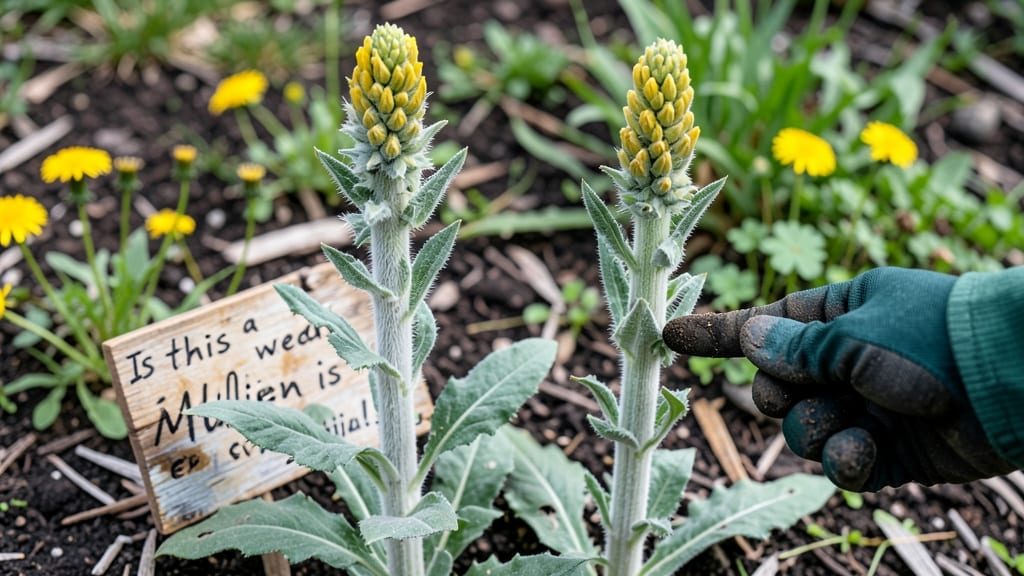
The mullein plant isn't a weed—it's a valuable perennial with medicinal properties and ecological benefits, though its tall stems and self-seeding nature can make it look like one in gardens.
This hardy plant actually improves soil health through its deep taproots, which break up compacted earth and prevent erosion. 🌱 Its bright yellow flowers provide nectar for bees and other pollinators, making it a garden asset rather than a nuisance.
Many herbalists value mullein for its anti-inflammatory properties and use it to make teas or salves, proving its worth far beyond typical weed status.
That said, its aggressive growth habit means you'll need to manage it intentionally—whether by deadheading spent blooms or transplanting seedlings to designated areas. The key difference from true weeds is that mullein offers tangible benefits while still requiring some garden discipline.
💡 In This Article
- Why Mullein Plant Thrives in Gardens Unlike True Weeds
- Managing Mullein Growth in Your Garden: Best Practices
Why mullein plant thrives in gardens unlike true weeds
The mullein plant (Verbascum thapsus) stands out from true weeds because of its ecological contributions rather than its invasiveness. Its deep taproot can extend up to 5 feet into the soil, breaking up compacted earth and improving drainage—something aggressive weeds like bindweed (Convolvulus arvensis) cannot match.
This root structure also prevents erosion, making mullein a soil stabilizer in disturbed areas. 🌱
Botanically, mullein reproduces through self-seeding rather than spreading via underground rhizomes like crabgrass (Digitaria sanguinalis). Each plant produces 50,000-200,000 seeds, but these require light to germinate, so they rarely become overwhelming.
Its biennial lifecycle means it grows as a rosette in its first year, then bolts to produce flowers and seeds in the second—unlike annual weeds that regrow constantly.
Ecologically, mullein’s bright yellow flowers provide nectar for bees, butterflies, and other pollinators, supporting biodiversity. Studies show mullein flowers can attract up to 30% more pollinators than similar-height wildflowers, making it a valuable addition to pollinator gardens.
True weeds like dandelions (Taraxacum officinale) also attract pollinators, but they lack mullein’s deep-rooted soil benefits.
Historically, mullein has been used in traditional medicine for its anti-inflammatory properties. The leaves contain rosmarinic acid and flavonoids that help soothe respiratory issues, while its flowers were used in poultices for wounds.
Unlike weeds that spread harmfully, mullein offers practical uses—from herbal remedies to culinary applications (young leaves can be eaten like spinach).
Visually, mullein’s tall, fuzzy stems (reaching 5-6 feet) and velvety leaves make it stand out, but its growth is slower than weeds like lamb’s quarters (Chenopodium album).
The key difference is that mullein doesn’t compete aggressively with crops—it thrives in disturbed soils where weeds would otherwise dominate. 🌿
For gardeners, this means mullein can coexist with vegetables if managed properly. Unlike weeds that smother plants, mullein’s deep roots actually improve soil structure over time. Its presence signals a healthy, balanced ecosystem rather than one overrun by pests.