
Planting
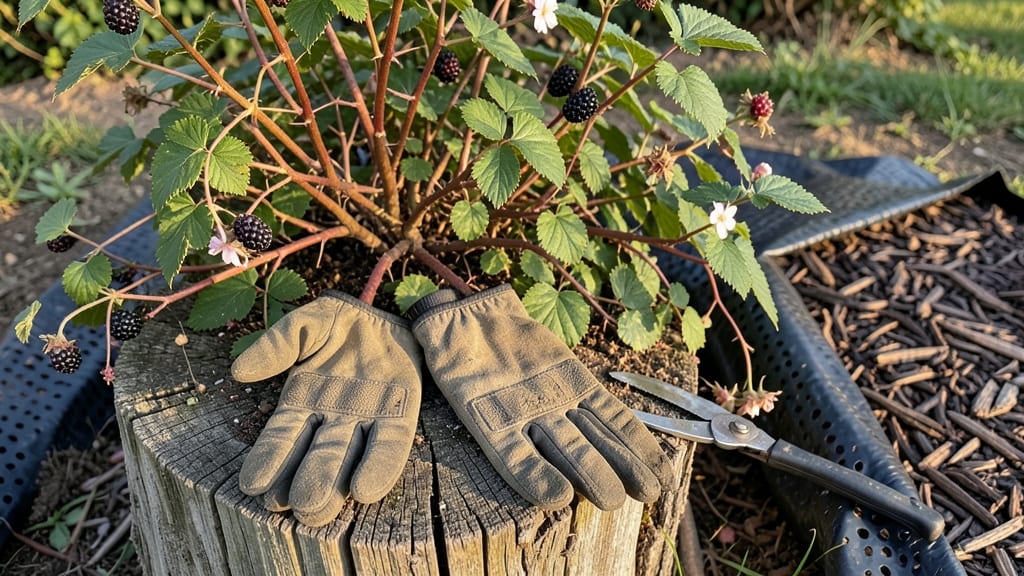
Invasive blackberry plants can turn your peaceful garden into a thorny jungle overnight. 🌿 I learned the hard way when my backyard became a tangled mess of canes and berries—until I discovered methods that actually work without poisoning the soil or inviting pests.
The key is stopping the spread while keeping your yard (and your sanity) intact.
Blackberries spread through underground runners and seeds, making them relentless. They outcompete native plants, choke out flowers, and create impenetrable thickets. The good news? You don’t need harsh chemicals—just the right tools and timing.
I’ve tried everything from smothering to targeted pruning, and these methods actually keep them under control without harming beneficial soil life.
What you’ll get is a yard that’s finally manageable, with fewer thorns and more space for the plants you want. The best part? These techniques work year-round, whether you’re dealing with established patches or new shoots popping up. No more wrestling with canes or dreading spring cleanup.
Before you grab the weed killer, though, check local regulations—some areas treat blackberries as invasive species with restrictions. We’ll cover the safest, most effective ways to reclaim your space without breaking the rules or ruining your soil for future gardens.
How Aggressive Spread Takes Root
Invasive blackberry plants don’t just pop up by accident—they’re biological overachievers with traits that make them nearly unstoppable in the right (or wrong) conditions. Understanding why they spread so aggressively is the first step to reclaiming your garden or property. Here’s the science behind their relentless growth.
Blackberries are serial reproducers, thanks to a combination of rapid growth and multiple propagation methods:
- Thorny canes: Mature blackberry plants produce long, arching canes that root wherever they touch the ground (a process called layering). Even a small broken piece can sprout into a new plant.
- High seed production: A single plant can produce thousands of seeds per year, which birds and wildlife spread far and wide.
- Perennial roots: Their deep, woody root systems survive harsh winters and regrow annually, making them nearly impossible to kill with shallow treatments.
Why it matters: If left unchecked, one plant can become a thicket in just 2–3 years, smothering native plants and altering ecosystems.
Blackberries thrive in chaos. They exploit areas where human activity or natural disturbances create ideal conditions:
- Compacted or bare soil: They germinate easily in disturbed ground, like construction sites, fire scars, or over-grazed pastures.
- Lack of competition: If native plants or grasses are weak (due to drought, overwatering, or poor soil), blackberries fill the void quickly.
- Rich organic matter: They love nitrogen-rich soils, often found in compost piles, garden beds, or areas with decaying plant material.
Pro tip: 🌡️ Mulch or dense ground cover (like clover or creeping thyme) can starve out blackberry seedlings by blocking sunlight and preventing root contact.
Blackberries aren’t just spreading on their own—they get a free ride from animals and humans:
| Spread Agent | How It Happens |
|---|---|
| 🦜 Birds | Consume berries and deposit seeds in their droppings, often far from the parent plant. |
| 🦌 Deer and livestock | Trample canes, breaking them into rooting fragments, or spread seeds via their hooves. |
| 👨🌾 Humans | Unknowingly transport root fragments on tools, shoes, or vehicles between properties. |
| 🌊 Waterways | Floods or runoff carry seeds and root pieces downstream, colonizing new areas. |
Actionable fix: 🎯 Remove berries before they ripen to reduce wildlife dispersal, and sanitize tools with bleach or alcohol after use in infested areas.
Blackberries are opportunistic survivors that adapt to a wide range of climates, but they peak in aggressiveness under these conditions:
- Warm, humid summers: Ideal for rapid cane growth and berry production.
- Mild winters: Their roots survive freezes, allowing them to regrow faster in spring.
- Drought tolerance: Once established, they outcompete shallow-rooted plants during dry spells.
Key insight: In arid regions, blackberries often invade after wildfires or overgrazing, where moisture and nutrients are temporarily abundant.
Practical ways to control unruly brambles
Now that you understand why invasive blackberry plants take over, it’s time to tackle them effectively—without harming your soil’s beneficial life. These solutions are tailored to the root causes of spread, from aggressive roots to prolific seeds, and include both immediate fixes and long-term prevention. Let’s roll up our sleeves!
---
Blackberries spread rapidly through long, arching canes that root where they touch the ground. The key is to remove them at the base before they establish new plants.
#### 🔪 Step-by-Step Pruning for Control 1. Identify the Mother Plant 🕵️♂️ Locate the main stem (largest, oldest cane) where new growth originates. This is your target—cutting here weakens the entire patch over time.
2. Cut Low and Often ⏰ - Early Spring (Before Growth): Trim canes to the ground. Repeat every 2–3 weeks to prevent regrowth. - Fall Cleanup: Remove all dead canes and dispose of them in sealed bags (not compost)—they’ll sprout anew if left behind.
3. Use a Mower or String Trimmer 🌿 For large patches, mow canes down to 2–3 inches above the ground. This starves the roots by blocking sunlight. Do this 3–4 times per season for best results.
4. Solarize the Area (For Stubborn Patches) ☀️ Cover the ground with clear plastic sheeting for 4–6 weeks in hot weather. The trapped heat kills roots without chemicals.
--- Blackberries release thousands of seeds via birds and wind. Break the cycle with these methods:
#### 🐦 Bird-Proof Your Berries - Harvest First: Pick ripe berries before wildlife feasts on them. Use a fine mesh net over plants if you’re not harvesting. - Remove Unripe Fruit: Drop any unripe or rotting berries far from your garden—they’ll still produce seeds.
#### 🌱 Smother or Till (Carefully!) - Sheet Mulching: Lay cardboard + 4+ inches of wood chips over the area.
This blocks light and chokes out seedlings. Wait 6–12 months before replanting. - Shallow Tilling (For Small Areas): Turn soil only 2–3 inches deep in early spring to bury seeds. Avoid deep tilling—it can spread root fragments!
--- If blackberries are encroaching on lawns or walkways, physical barriers can stop their advance without toxins.
#### 🏗️ DIY Root Barrier Guide 1. Dig a Trench 🕳️ - Depth: 12–18 inches (deeper for mature plants). - Width: 6–12 inches. - Angle: Slope the trench away from your garden to discourage roots from growing back.
2. Line with Barrier Material 🛡️ - Hardware Cloth (¼-inch mesh): Best for long-term prevention. - Corrugated Metal or Plastic: Cheaper but less durable (replace every 3–5 years). - Cardboard + Landscape Fabric: A budget option (lasts 1–2 seasons).
3. Backfill and Monitor 🌱 - Cover the trench with soil and mulch. - Check monthly for new shoots—dig them out immediately.
--- Once you’ve removed the worst of the invasion, prevent regrowth with these habits:
#### 💡 Pro Tips to Stay Ahead - Mulch Heavily: Apply 6+ inches of mulch (wood chips, straw) around desired plants to block blackberry canes from rooting. - Plant Competitors: Underplant with dense ground covers like clover, creeping thyme, or comfrey—they outcompete blackberries for space. - Regular Scouting: Walk your property weekly in spring/summer.
Pull new shoots before they root! - Goat Grazing (If Available): Goats love blackberries and will clear patches naturally. Check local rental services.
--- - Don’t Compost Blackberry Clippings 🚫🍃 – Even small pieces can sprout. - Avoid Herbicides Near Desired Plants 🌿 – Glyphosate kills everything, including soil microbes.
Use vinegar + soap spray (3% acetic acid + 1% dish soap) for spot treatment only on non-organic areas. - Don’t Ignore Small Patches 🔥 – A few canes can become a jungle in one season.
--- | Season | Task | Tools Needed | |-------------|-----------------------------------|--------------------------------| | Early Spring | Cut canes to ground, solarize bare spots | Loppers, plastic sheeting | | Late Spring | Mow canes down, harvest berries early | String trimmer, nets | | Summer | Pull new shoots, maintain barriers | Gloves, trowel | | Fall | Remove all dead canes, till shallowly | Shovel, rake |
--- Blackberries are tough, but consistency is your superpower. Combine mechanical removal (cutting, smothering) with preventive barriers, and you’ll reclaim your space—without poisoning your soil.
Start with one method, track progress, and adjust as needed. Before you know it, those brambles will be a distant memory! 🚀
Frequently asked questions
Why do blackberry plants spread so aggressively?
Blackberries spread rapidly through underground runners and thousands of seeds produced each year. Their canes root wherever they touch soil, and wildlife (like birds) spreads seeds far from the parent plant. Even small root fragments can grow into new plants.
Can I kill blackberry roots without chemicals?
Yes! Try solarization (covering with clear plastic for 4-6 weeks in hot weather) or shallow tilling (2-3 inches deep) to bury seeds. For established roots, repeat pruning every 2-3 weeks in spring weakens them over time. Solarization is the most eco-friendly method.
What's the best time of year to remove blackberries?
Early spring (before new growth) is ideal for cutting canes to the ground. In fall, remove all dead canes and solarize bare spots. Summer maintenance involves pulling new shoots immediately—they root quickly! Consistency is key.
Will goats actually eat blackberries?
Goats are natural blackberry predators and will clear patches quickly. Renting goats for 1-2 days can eliminate established plants. Just ensure they have other forage available since blackberries alone won't sustain them.
Are there any plants that naturally compete with blackberries?
Yes! Dense ground covers like clover, creeping thyme, or comfrey outcompete blackberries for space and sunlight. Plant these around your garden edges to create a natural barrier. Even ornamental grasses can help suppress new growth.