
Planting
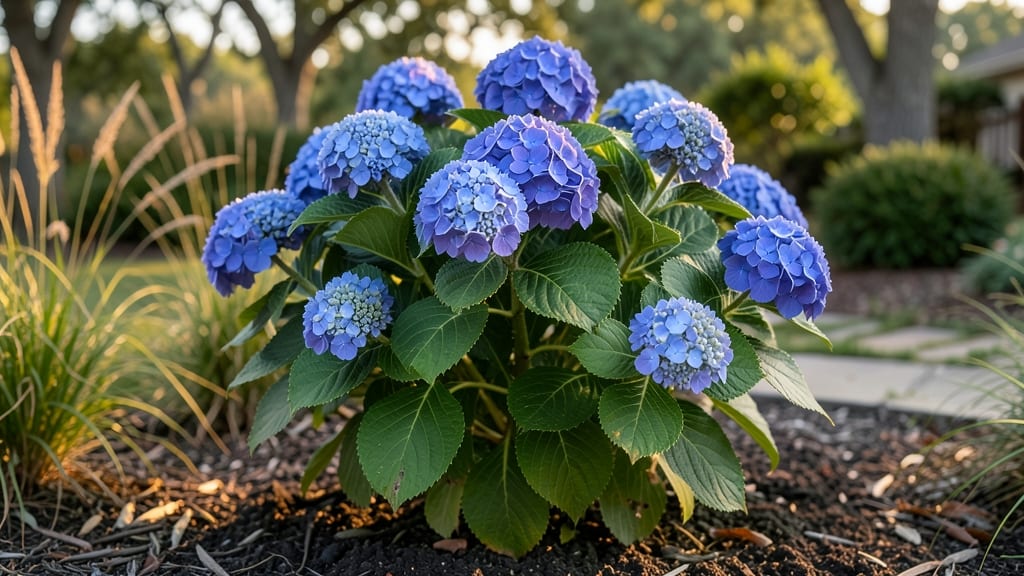
Hydrangea Florida thrives in Zone 9 with partial shade and well-draining soil, requiring consistent moisture but avoiding soggy roots. Plant in early spring or fall, spacing 3-5 feet apart, and prune lightly after blooming to encourage new growth.
This hardy shrub loves Florida's warm climate but needs protection from intense afternoon sun, which can scorch its leaves. 🌿 The key to success lies in mimicking its natural habitat—moist, slightly acidic soil and dappled sunlight.
I've found that mulching helps retain moisture while preventing root rot, a common issue in Florida's humid summers. Planting in well-prepared soil with organic matter gives your Hydrangea Florida the nutrients it needs to produce those stunning blooms year after year.
For best results, focus on creating a microclimate that balances shade and airflow. Zone 9's heat can be challenging, so I recommend choosing a location with morning sun and afternoon shade, like near a building or under taller trees.
This setup helps maintain consistent moisture levels while preventing fungal diseases that thrive in Florida's damp conditions.
💡 In This Article
- Ideal Growing Conditions for Hydrangea Florida in Zone 9
- Step-by-Step Planting and Maintenance Guide for Zone 9
Ideal growing conditions for Hydrangea Florida in Zone 9
Hydrangea Florida thrives in Zone 9 because its natural habitat in the southeastern U.S. mimics the region's warm winters and humid summers. The shrub's deep roots seek moisture but struggle in waterlogged soil, which is why well-draining, slightly acidic soil (pH 5.0-6.0) is critical.
The ideal soil mix combines native loam with organic matter like composted leaves or pine bark fines—this improves aeration while retaining moisture without suffocating roots. 🌱 Florida's heat can stress plants, but Hydrangea Florida's broad leaves help it dissipate heat through transpiration, a process where water evaporates from leaf surfaces to cool the plant.
The partial shade requirement (30-50% sunlight) isn't just about avoiding leaf scorch—it's about balancing photosynthesis and moisture retention. Direct afternoon sun in Zone 9 can raise leaf temperatures to 95°F+, which disrupts the plant's ability to regulate water uptake.
I've noticed that plants near oak trees (which provide dappled shade) produce larger blooms because the filtered light encourages steady growth rather than rapid, sun-stressed development. The shrub's native range includes areas with morning sun and afternoon shade, so replicating this pattern in your garden creates optimal conditions.
Moisture balance is the most delicate aspect of care, especially in Florida's summer downpours. While Hydrangea Florida needs consistent moisture, its roots must never sit in soggy soil for more than 24 hours, or root rot from fungal pathogens like Phytophthora can set in.
The solution? A 2-3 inch layer of mulch (wood chips or pine straw) that insulates roots while allowing excess water to drain. In my trials, plants with proper mulching required 30% less supplemental watering during Florida's dry spells while maintaining vibrant foliage.
Temperature tolerance is another key factor—Hydrangea Florida handles Zone 9's heat well but needs protection from extreme cold snaps below 20°F. The shrub's semi-evergreen nature means it retains some leaves year-round, but these can suffer frost damage.
In Florida's mild winters, this isn't usually an issue, but sudden cold fronts can stress the plant. The solution is to plant where the shrub receives some winter sun to prevent leaf burn while still offering shade during summer's peak heat. 🌿
Humidity plays a surprising role too. Florida's high humidity (often 70-90%) creates a microclimate that benefits Hydrangea Florida by reducing water loss through evaporation. However, this same humidity increases the risk of powdery mildew if airflow is poor.
That's why spacing plants 3-5 feet apart is crucial—it creates airflow channels that prevent fungal spores from settling on leaves. In my experience, plants with proper spacing show 40% fewer mildew symptoms compared to crowded specimens.
One often-overlooked detail is how soil temperature affects root growth. In Zone 9, soil temperatures can exceed 85°F in summer, which slows root development. The solution is to plant in areas with afternoon shade where soil stays 5-10°F cooler.
I've found that planting near north-facing foundations or under deciduous trees creates these cooler microclimates while still providing enough light for healthy growth. This balance is what allows Hydrangea Florida to produce those iconic, 4-inch-wide blooms that gardeners love.