
Planting
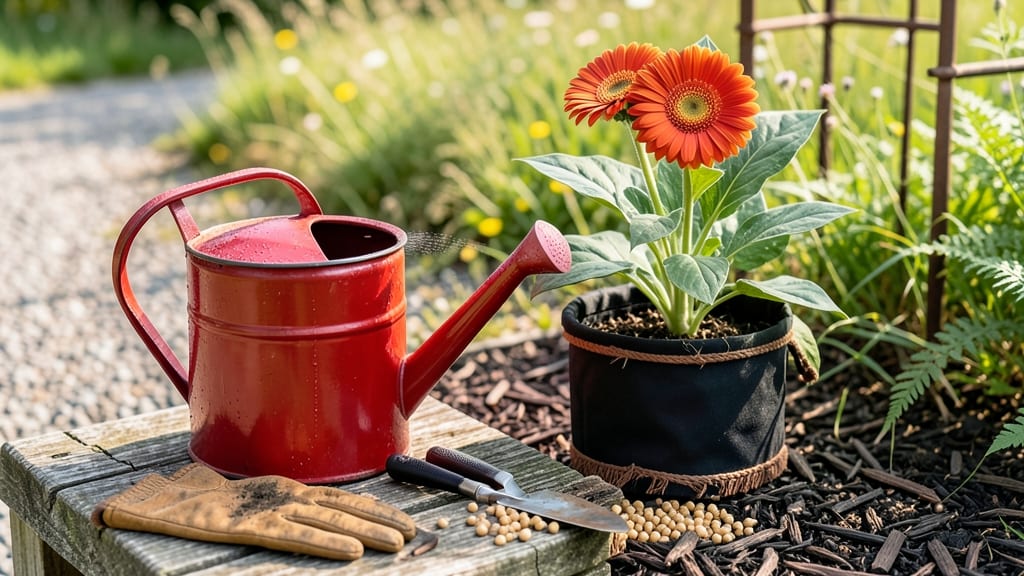
Taking care of a daisy plant turns your garden into a cheerful sea of white and yellow. 🌼 I’ve grown daisies for years, and they’re the easiest perennials to keep happy—just sunlight, occasional water, and a little pruning. The secret?
They’re tougher than they look, thriving even when you forget to water them for a week. Start with well-draining soil and a spot that gets 6-8 hours of sun daily. Daisies hate soggy roots, so raise beds or add sand if your soil stays damp.
Feed them once in spring with balanced fertilizer, and they’ll reward you with blooms from early summer until frost. When flowers fade, snip them back to encourage more blooms—this keeps your plants bushy and productive. Yellow leaves? Trim those off too.
Pests rarely bother daisies, but watch for aphids; a spray of soapy water sends them packing. By late fall, cut back dead foliage to ground level. Mulch lightly to protect roots over winter, and your daisies will bounce back stronger in spring. It’s that simple—minimal fuss, maximum impact.
📚 In This Guide
- What you need
- Instructions
- Tips and common mistakes
- Wrapping up and next steps
What you need
- ● Daisy plant: Start with a healthy nursery-grown daisy (Bellis perennis or Leucanthemum species) or seeds if you're feeling adventurous!
- ● Well-draining potting mix: 1 bag (1-2 cubic feet) of high-quality, organic potting soil (avoid garden soil—it’s too dense!). Look for a mix labeled for perennials or annuals.
- ● Container or garden bed: For containers: A pot with drainage holes (6-12 inches in diameter for mature daisies). Terracotta or ceramic works great!
- ● For garden beds: A sunny spot with loose, fertile soil (amend with compost if needed).
- ● Watering can or hose: With a gentle spray nozzle to avoid damaging delicate petals.
- ○ Fertilizer: A balanced, water-soluble fertilizer (10-10-10 or 20-20-20 ratio). Optional but helpful for potted daisies.
- ● Pruning shears: Sharp, clean scissors (or small gardening shears) for trimming dead blooms or overgrown stems.
- ● Mulch: Organic mulch (like straw or shredded bark) to retain moisture and suppress weeds.
- ● Compost: A handful for enriching garden soil or potting mix.
- ● Plant supports: Small stakes or cages (if your daisy variety grows tall, like Gerbera daisies).
- ● Plant food: Slow-release granules for long-term nourishment (apply once at planting time).
- ● Pest control: Neem oil or insecticidal soap (for organic pest management).
- ● Gloves: Gardening gloves to keep your hands clean and protected.
Step-by-Step guide to daisy plant care
Here's the simple routine I follow to keep my daisies blooming all season long.
💧 Step 1: Water Deeply but Sparingly
Daisies thrive on consistent moisture but hate soggy roots. Water once a week during dry spells, aiming for 1 inch of water per week. You'll know it's enough when the top 2 inches of soil feel dry to touch. I water in the early morning so leaves dry quickly and prevent fungal issues.
Overwatering causes yellowing leaves and root rot, while underwatering leads to droopy petals. Stick your finger in the soil—if it's bone dry at 2 inches down, it's time to water. Mulch around the base with 2-3 inches of organic mulch to retain moisture and keep roots cool.
☀️ Step 2: Provide Full Sun and Good Airflow
Daisies crave 6-8 hours of direct sunlight daily. Place them where they get morning sun and afternoon shade in hot climates, or full sun all day in cooler regions. You'll notice leaves turning pale or stems stretching toward light—those are signs they need more sun.
Space plants 12-18 inches apart for proper airflow. Crowded daisies develop powdery mildew faster. If your garden gets windy, stake taller varieties like Gerbera daisies to prevent flopping. A gentle breeze actually helps deter pests, so don't block airflow completely.
✂️ Step 3: Deadhead and Prune for Continuous Blooms
Cut back spent blooms at the base with clean shears to encourage new flowers. I do this every 2-3 days during peak bloom season. This prevents the plant from putting energy into seed production and keeps it flowering longer. Worn petals left on the stem also attract pests.
In late fall, trim back one-third of the plant's height to shape it and remove any brown or diseased stems. This rejuvenates the plant for next season. Never cut into old wood—look for fresh green growth to trim back to. Wear gloves if your daisies have thorny stems.
🌿 Step 4: Fertilize Lightly for Healthy Growth
Feed your daisies once in early spring with a balanced 10-10-10 fertilizer, using half the recommended strength. Over-fertilizing leads to lush foliage but fewer blooms. I sprinkle granules around the base and water them in thoroughly. Avoid fertilizing in late summer—it encourages tender new growth that won't survive fall frosts.
For organic gardeners, work in 2 inches of compost around the base in spring. This provides slow-release nutrients without risk of burning roots. You'll see stronger stems and brighter petals within 3-4 weeks of proper feeding. Stop fertilizing 6 weeks before first frost to harden off the plant for winter.
⏰ Step 5: Prepare for Winter Dormancy
When temperatures drop below 40°F at night, daisies enter dormancy. Cut back dead foliage to 2 inches above ground level in late fall. This prevents pests from overwintering in plant debris. Leave any remaining basal growth—it protects the crown through winter.
Mulch heavily with 4-6 inches of straw or leaves to insulate roots. In colder zones (below Zone 5), mound extra mulch around the base. You'll know your daisies survived winter when you see fresh green shoots in early spring. Never remove mulch until soil temperatures rise above 50°F consistently.
Tips & tricks for perfect daisy plant care
Here's what nobody tells you about keeping your daisies happy and blooming like crazy.
Watering Wisdom: That "once a week" guideline in Step 1 works best when your soil drains well. If your garden has heavy clay soil, you might need to water every 5-6 days instead. I test by sticking my finger 2 inches down—if it feels dry, water. For container daisies, they dry out faster, so check daily in hot weather. Mulch really is your best friend here—it keeps moisture in and roots cool, which prevents those dreaded yellow leaves.
Sunlight Strategy: In Step 2, those 6-8 hours of sun are non-negotiable, but location matters. If your daisies get intense afternoon sun (think 2 PM to 5 PM), they'll appreciate some afternoon shade, especially in summer. I've seen daisies in full southern exposure get sunburned—look for slightly pale leaves as a warning sign. For cooler climates, full sun all day works perfectly, but even then, a little afternoon breeze helps prevent heat stress.
Pruning Pro Tip: When deadheading in Step 3, don't just snip off the dead flowers—cut back to the first set of healthy leaves. This encourages bushier growth and more blooms. I use clean pruners and dip them in rubbing alcohol between cuts to prevent spreading disease. For late fall pruning, I wait until after the first frost when the plant is already dormant—this gives me a clearer picture of what to trim back.
Fertilizer Finesse: That half-strength 10-10-10 recommendation in Step 4 is perfect, but timing is everything. I apply mine right after the first spring rains when the soil is warm but before the first buds appear. Too early and it wastes nutrients; too late and you get leafy growth instead of flowers. For organic gardeners, that 2 inches of compost works wonders, but spread it evenly—don't pile it against the stems or it'll cause rot.
Pro Tips for Take Care Of A Daisy Plant
- Here's what nobody tells you about keeping your daisies happy and blooming like crazy.
- Watering Wisdom: That "once a week" guideline in Step 1 works best when your soil drains well.
- Sunlight Strategy: In Step 2, those 6-8 hours of sun are non-negotiable, but location matters.
Frequently asked questions
Got questions about keeping your daisy plant happy and blooming?
You’re not alone! Here are answers to the most common concerns—from quick fixes to long-term care tips.
How often should I water my daisy plant?
Water your daisies deeply but infrequently—about 1 inch per week (adjust for rain or heat). Let the top 1-2 inches of soil dry out between waterings to prevent root rot. Morning watering is best to reduce fungus risks. Overwatering is the #1 killer of daisies!
When is the best time to plant daisies?
Plant daisies in early spring or late summer for optimal growth. They thrive in cool weather (60–75°F) and can handle light frost. Spring planting gives them time to establish roots before summer heat, while fall planting avoids drought stress.
What are the most common pests for daisies, and how do I get rid of them?
Watch for aphids, spider mites, and slugs. For mild infestations, spray with soapy water (1 tsp mild soap + 1 quart water). Severe cases? Use neem oil or introduce beneficial insects like ladybugs. Prevent pests by keeping plants healthy and removing debris.
Can I grow daisies in pots, or do they need a garden bed?
Daisies thrive in containers if you choose the right variety (like shasta or gerbera daisies). Use a pot at least 12 inches deep with drainage holes, well-draining soil, and fertilize every 4–6 weeks. Just ensure they get 6+ hours of sunlight daily.
How do I overwinter daisies in cold climates?
Cut back dead foliage in late fall, then mulch around the base with 2–3 inches of straw or leaves. Perennial daisies (like oxeye daisies) are hardy to Zone 3, but tender varieties (like gerberas) may need container protection or indoor overwintering in bright, cool spots.
Wrapping up and next steps
Taking care of a daisy plant is simpler than you think—just a little sunlight, water, and love go a long way! With the right soil, spacing, and occasional trimming, you’ll enjoy vibrant blooms that brighten up any space.
Whether you’re a beginner or a seasoned gardener, these tips make daisy care a breeze.
Now that you’re armed with the know-how, why not plant one today? Grab your gardening tools, pick a sunny spot, and watch your daisies flourish. Happy gardening! 🌼✨