
Planting
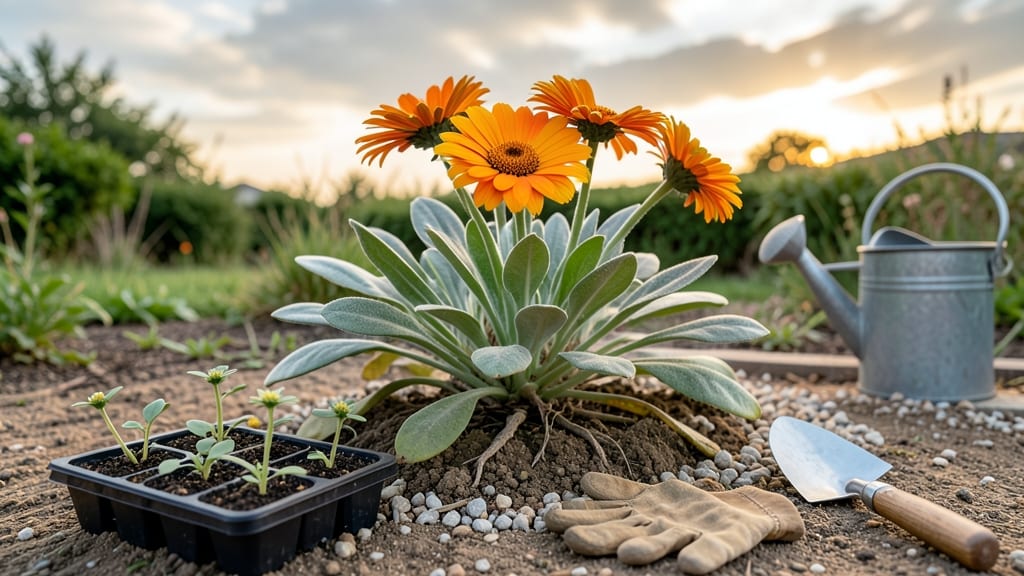
Planting gazania transforms your sunniest spots into vibrant bursts of color that last all summer long. 🌻 I’ve planted these heat-loving annuals for years, and the secret isn’t complicated—just the right timing, soil prep, and a little patience for those first blooms to pop.
Start with well-draining soil (mix in sand or gravel if yours is heavy) and space plants 12–18 inches apart to give them room to spread.
Gazanias hate soggy roots, so planting in full sun (6+ hours daily) and sandy soil is non-negotiable—this is what makes them thrive where other flowers wilt. Once planted, water deeply but infrequently—think once a week unless it’s a scorching heatwave.
The blooms close at night and reopen in the morning, a little daily ritual that tells you they’re happy. Within 4–6 weeks, you’ll see those cheerful faces peeking through the foliage. Perfect for borders, containers, or even rocky slopes—just avoid frost, and you’ll enjoy gazanias until the first chill.
Here’s how to keep them blooming all season!
📚 In This Guide
- What you need
- Instructions
- Tips and common mistakes
- Wrapping up and next steps
What you need
- ● Gazania plants or seeds: For seeds: 1–2 packets (each packet typically contains 100–500 seeds, depending on the brand). Plant seeds ¼ inch deep in well-draining soil.
- ● For potted plants: 3–6 healthy nursery starts (check for vibrant foliage and buds).
- ● Well-draining potting mix: 1–2 bags (10–20 quarts) of cactus/succulent mix or regular potting soil amended with perlite or sand (20–30% by volume) to prevent root rot.
- ● Containers or garden bed: For containers: 5–7 inch diameter pots (1 per plant) with drainage holes. Use terracotta or fabric pots for best results.
- ● For garden beds: Full-sun location with 6+ hours of direct sunlight daily and loose, sandy soil (pH 6.0–7.0).
- ● Basic gardening tools: Trowel or small hand shovel
- ○ Gloves (optional but recommended for seed handling)
- ● Watering can or hose with a gentle spray nozzle
- ● Fertilizer: Balanced water-soluble fertilizer (10-10-10 or 20-20-20) or slow-release granules (follow package rates).
- ● Mulch: A light layer of gravel or coarse sand to retain moisture and regulate soil temperature.
- ● Plant markers: Small stakes or labels to track varieties (especially useful if growing multiple colors!).
- ● Shade cloth: 30–50% shade fabric for seedlings if temperatures exceed 90°F (32°C).
- ● Epsom salt: 1 tablespoon per gallon of water (monthly) to boost magnesium and enhance blooms.
Step-by-step instructions for planting gazania
Here's my foolproof method for getting vibrant gazania blooms that last all summer.
🌱 Step 1: Choose the Right Location and Prepare the Soil
Gazania craves full sun—at least 6-8 hours daily—so pick a spot that gets maximum afternoon sun. I always check for at least 6 hours of direct light before planting, especially in cooler climates where afternoon sun is most intense.
Loosen the soil to a depth of 12 inches to help roots spread easily. Gazania hates soggy feet, so if your soil drains poorly, mix in 2-3 inches of coarse sand or perlite per square foot of planting area. You'll know you've done it right when water drains through the soil in 15-30 minutes after watering.
🌿 Step 2: Plant Seeds or Transplants at the Right Depth
For seeds, scatter them lightly on the soil surface—gazania seeds don't need covering. Press them gently into the top ¼ inch of soil so they make contact without being buried. I like to space seeds 6-8 inches apart for single blooms or 12 inches apart for larger clusters, since they'll spread as they mature.
If using transplants, dig holes just slightly wider than the root ball and place them at the same depth they were growing before. Water deeply right after planting to settle the soil around the roots. You'll know they're happy when the soil around the base stays slightly moist but not soggy for the first 2-3 days.
☀️ Step 3: Water and Mulch for Optimal Growth
Water gazania deeply once a week rather than lightly every day. Let the top 2-3 inches of soil dry out completely between waterings—this prevents root rot and encourages deeper root growth. I always water in the early morning so the foliage dries quickly, reducing the risk of fungal diseases.
Apply a 2-inch layer of mulch around each plant, keeping it 2 inches away from the stems to prevent moisture buildup. Organic mulch like straw or shredded bark also helps regulate soil temperature and retains moisture. You'll notice healthier plants with fewer wilting leaves after just a few weeks of proper mulching.
✂️ Step 4: Deadhead and Fertilize for Continuous Blooms
Gazania blooms are short-lived, so deadhead spent flowers by pinching them off at the base with your fingers or clean pruners. This encourages the plant to produce more buds and extends the blooming season. I deadhead mine every 2-3 days during peak bloom to keep the flowers coming.
Feed plants with a balanced, water-soluble fertilizer (10-10-10) every 4-6 weeks during the growing season. Dilute the fertilizer to half-strength to avoid burning the roots. You'll see a noticeable difference in bloom quantity and color vibrancy within 2-3 weeks of consistent feeding.
🌿 Step 5: Prepare for Winter and Next Season
In colder climates, gazania is an annual, but in warmer zones (USDA zones 9-11), it can be treated as a perennial. If you're in a cooler area, let the plants go dormant naturally in fall—they'll produce seeds for next year. In mild climates, cut back dead foliage in late winter to encourage fresh growth.
Collect seeds from dried flower heads in fall for next year's planting. Store them in a cool, dry place until spring. I always label my seed packets with the variety and date to keep track of what I'm growing. With proper care, gazania will reward you with vibrant blooms year after year in the right conditions.
Tips & tricks for perfect gazania planting
These little details make all the difference between gazania that thrives and gazania that just survives.
Sunlight Secret: I can't stress this enough—gazania absolutely needs that full sun. If you're in a cooler climate, consider planting near a south-facing wall or fence to capture reflected heat. I once planted mine in partial shade and ended up with leggy, weak stems that barely bloomed. The difference when they get proper sun is night and day—vibrant colors and sturdy plants that last all season.
Soil Test Trick: Before amending your soil, do this quick test: Dig a small hole, fill it with water, and time how long it takes to drain. If it's slower than 30 minutes, you definitely need that sand or perlite mix. I've had the best luck with a 50/50 blend of garden soil and coarse sand—it gives perfect drainage while still holding enough moisture for those roots.
Watering Wisdom: The once-a-week deep watering is key, but timing matters too. I water mine between 6-8 AM when temperatures are cooler. This gives the foliage time to dry completely before evening, which prevents those pesky fungal issues. If you notice leaves curling or yellowing, you're probably overwatering—let that soil dry out more between waterings.
Deadheading Discipline: Those 2-3 days between deadheadings might seem like a lot, but trust me on this. I used to wait until flowers were completely dead before pinching them off, and my blooming season was noticeably shorter. The moment a flower starts to fade, give it the snip—this signals the plant to put energy into new buds instead of seed production.
Pro Tips for Plant Gazania
- These little details make all the difference between gazania that thrives and gazania that just survives.
- Sunlight Secret: I can't stress this enough—gazania absolutely needs that full sun.
- Soil Test Trick: Before amending your soil, do this quick test: Dig a small hole, fill it with water, and time how long it takes to drain.
Frequently asked questions
Got questions about planting gazania?
You’re not alone! Here are answers to the most common queries to help you grow these sun-loving beauties with confidence.
When is the best time to plant gazania?
Plant gazania after the last frost when soil temperatures reach at least 60°F (15°C). In warm climates (zones 9-11), you can plant year-round. For cooler regions, wait until spring or early summer to avoid frost damage. Pro tip: If planting in fall, do so at least 6-8 weeks before the first frost for blooms before winter.
Can gazania grow in containers or hanging baskets?
Gazania thrives in containers as long as the pot has drainage holes and well-draining soil. Use a mix of potting soil and perlite for airflow. For hanging baskets, choose trailing varieties like Gazania rigens. Water consistently, but avoid soggy roots—let the top inch dry out between waterings.
Why are my gazania leaves turning yellow or wilting?
Yellow leaves often signal overwatering or root rot. Gazania is drought-tolerant—water deeply but infrequently (once a week in hot weather). Wilting can also mean underwatering or heat stress. Ensure full sun (6+ hours daily) and improve soil drainage if needed. Fix it: Trim affected leaves and adjust watering habits.
Are there gazania varieties that bloom all year?
In USDA zones 9-11, gazania can bloom year-round with minimal care. For cooler zones, choose perennial varieties like Gazania krebsii, which may regrow from roots if protected from frost. In colder climates, treat gazania as an annual and replant each spring for continuous color.
How do I keep pests like aphids or snails away from my gazania?
Gazania attracts few pests, but aphids or snails may appear. Prevent them by:
- Spraying plants with neem oil (natural repellent).
- Using copper barriers for snails.
- Encouraging ladybugs (natural aphid predators).
- Avoiding overhead watering to deter slugs.
Wrapping up and next steps
Planting gazania is a rewarding way to add vibrant, sun-loving color to your garden! With the right soil, spacing, and care, these cheerful blooms will reward you with months of stunning flowers. Remember: patience and consistency are key—soon, your garden will be bursting with gazania magic! 🌸
Ready to see your hard work bloom? Take the next step: grab your seeds or seedlings and get planting—your future sun-drenched garden awaits! 🌞