
Planting
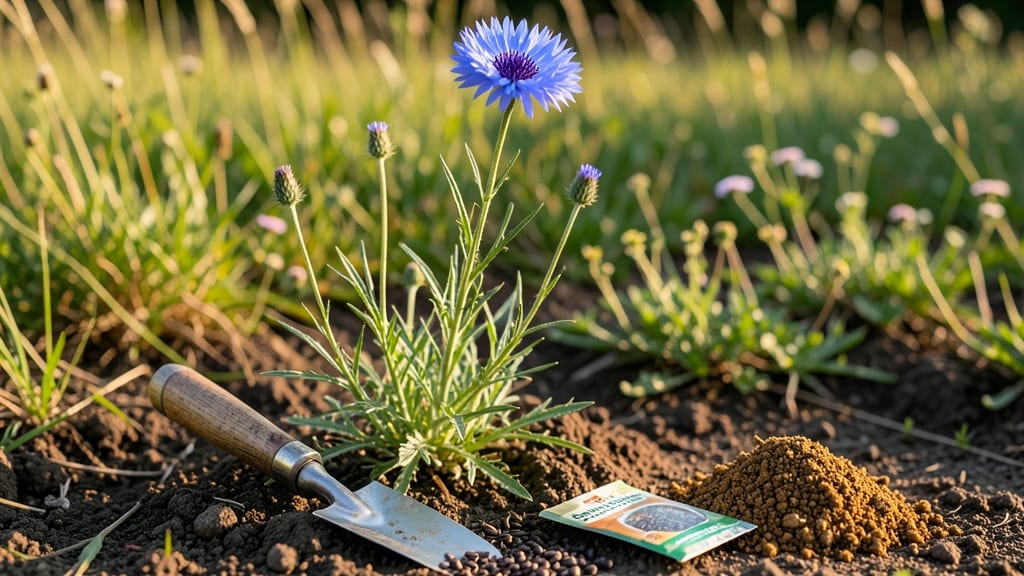
Planting cornflowers is one of those simple, rewarding tasks that turns a patch of soil into a sky-blue dream within weeks. 🌿 I remember my first attempt—scattered seeds, hopeful anticipation, and within 6-8 weeks, those delicate blue blooms appeared like magic.
The secret lies in timing, soil, and a little patience, but the payoff is worth every minute.
Start with well-draining soil and full sun—cornflowers thrive where nothing else seems to. Scatter seeds lightly over prepared beds in early spring or late summer, pressing them just ¼ inch below the surface.
They’re self-seeding champions, so expect surprises next year. For best results, space them 12-18 inches apart if you want isolated blooms, or let them naturalize for a wildflower meadow effect.
Water lightly after planting, then let nature take over—these drought-tolerant stars resent soggy soil. Within 2-3 weeks, you’ll spot tiny shoots, and by midsummer, your garden will burst with 3-4 inch blue stars. Deadhead spent blooms to encourage more flowers, and watch bees and butterflies flock to the nectar.
Troubleshooting tip: If seeds don’t sprout, try pressing them deeper or planting in cooler weather—they need consistency. Pair them with lavender or poppies for a cottage-garden vibe, or let them spill over container edges. Once established, they’re nearly foolproof—just sun, soil, and space to shine.
📚 In This Guide
- What you need
- Instructions
- Tips and common mistakes
- Wrapping up and next steps
What you need
- ● Cornflower seeds: 1–2 grams (about 200–400 seeds) per 10 square feet. Choose heirloom varieties like 'Black Ball' or 'Blue Boy' for extra drama!
- ● Well-draining potting mix or garden soil: 1–2 cubic feet, amended with compost (1 part compost to 3 parts soil) for nutrient-rich growth.
- ● Sunny planting location: Full sun (6+ hours of direct sunlight daily) is a must—cornflowers thrive in open, airy spaces!
- ● Watering can or hose with a gentle spray nozzle: For consistent moisture without disturbing seedlings.
- ○ Planting tray or seed-starting pots (optional for indoor starts): 2–3 inch pots or a seed tray with drainage holes if sowing early.
- ● Hand trowel or small garden fork: For digging shallow furrows (½ inch deep) in the soil.
- ○ Gloves (optional but recommended): To protect hands from prickly stems and soil debris.
- ● Mulch (straw or shredded leaves): 1–2 inches to retain moisture and suppress weeds.
- ○ Plant labels (optional): Wooden or biodegradable tags to mark rows if you’re growing multiple varieties.
- ● Direct sowing vs. indoor starts: Cornflowers hate being transplanted, so sow seeds directly outdoors after the last frost (when soil is at least 50°F/10°C).
- ● Thin seedlings: Space mature plants 6–12 inches apart to prevent overcrowding and encourage robust blooms.
- ● Deadhead spent flowers: Snip off faded blooms to prolong flowering and boost seed production for next year!
Step-by-step guide to planting cornflowers
Cornflowers thrive with minimal fuss—just sun, patience, and the right timing.
🌱 Step 1: Choose the Perfect Planting Spot
Cornflowers adore full sun, so pick a location with at least 6-8 hours of direct sunlight daily. They tolerate poor soil better than most annuals, but well-draining ground prevents root rot. I always test soil moisture by squeezing a handful—if it holds together like Play-Doh, amend with sand or compost to loosen it.
These hardy blooms self-seed aggressively, so avoid planting near delicate perennials. If you want contained growth, choose a spot where they can naturalize without crowding other plants. Watch for areas where last year’s cornflowers popped up—those spots are prime for this season.
🌱 Step 2: Prepare the Soil and Plant Seeds
Scatter seeds ¼ inch deep in rows spaced 12-18 inches apart—cornflowers grow tall and need room to sway without competing. I like to sprinkle them directly onto the soil surface, then lightly rake to cover. Seeds germinate best in 60-70°F soil, so wait until nighttime temperatures stay above 50°F.
Don’t overwater after planting. Mist the soil gently until it’s damp to the touch, then let nature take over. You’ll see seedlings emerge in 10-14 days, but don’t be alarmed if some take longer—they’re tough little things. Thin seedlings to 6 inches apart once they’re 2 inches tall to give them breathing room.
☀️ Step 3: Maintain Through the Growing Season
Cornflowers need minimal care once established, but consistent watering keeps blooms vibrant. Water at the base deeply 1-2 times per week, letting the top 1-2 inches of soil dry between waterings. Overhead watering can cause mildew on the delicate petals, so I use a drip hose for efficiency.
Deadhead spent blooms to encourage more flowers, but leave some for seed heads if you want next year’s crop. Watch for aphids—their sticky residue can dull the blue hues. A quick spray of soapy water usually clears them out before they become a problem.
⏰ Step 4: Enjoy and Extend the Season
Cornflowers bloom from mid-summer until frost, but you can cut stems for bouquets to prolong their display. Harvest in the morning when petals are fully open—this ensures they last longer in water. I always leave a few stalks standing for seed pods, which add rustic charm to winter arrangements.
After the first frost, leave the seed heads on the plants. They’ll self-sow prolifically, giving you a head start next spring. If you want to control spread, collect seeds when pods turn brown and store them in a cool, dry place until planting time.
Tips & tricks for perfect cornflower planting
Between us, these bold blue blooms are easier to grow than you think—but a few key tricks will make all the difference in your garden's summer display.
Sunlight Strategy: While cornflowers tolerate some shade, they truly shine with their signature blue when planted in the sunniest spot possible. I’ve found that planting them near a south-facing fence or wall maximizes their 6-8 hours of daily sun, which is exactly what they crave for those vibrant blooms. If your garden has limited full sun, prioritize this area first—cornflowers will reward you with bigger, brighter flowers than most annuals.
Soil Prep Secret: The instructions mention well-draining soil, but here’s what nobody tells you—cornflowers actually prefer slightly dry conditions once established. Before planting, I mix in a handful of coarse sand or perlite into the soil to prevent compaction. This creates tiny air pockets that mimic their natural Mediterranean habitat, where they thrive in rocky, nutrient-poor soils. The result? Hardier plants with fewer mildew issues.
Timing Tip for Germination: While seeds will germinate in soil temperatures between 60-70°F, I’ve learned the hard way that waiting until nighttime temps stay above 50°F is crucial for consistent results. Use a soil thermometer if you’re unsure—cornflower seeds are sensitive to cold snaps. Pro tip: If you’re in a cooler climate, consider starting seeds indoors 4-6 weeks before your last frost date, then transplant seedlings when soil warms up.
Watering Wisdom: The 1-2 times per week watering guideline works, but here’s the real secret: water in the early morning when dew naturally forms. This mimics their native growing conditions and prevents fungal issues that can dull those gorgeous blue petals. I also avoid watering the leaves directly—always aim for the base—and use a gentle spray nozzle to prevent disturbing the soil around delicate seedlings.
Pro Tips for Plant Cornflowers
- Between us, these bold blue blooms are easier to grow than you think—but a few key tricks will make all the difference in your garden's summer display.
- Sunlight Strategy: While cornflowers tolerate some shade, they truly shine with their signature blue when planted in the sunniest spot possible.
- Soil Prep Secret: The instructions mention well-draining soil, but here’s what nobody tells you—cornflowers actually prefer slightly dry conditions once established.
Frequently asked questions
When is the best time to plant cornflowers?
Cornflowers thrive when planted in early spring (after the last frost) or late summer for fall blooms. They’re cold-hardy, so you can even sow seeds directly in fall for a spring surprise! Just ensure soil temps are above 40°F (4°C) for germination.
How long does it take for cornflowers to grow and bloom?
From seed to bloom, cornflowers typically take 60–75 days. Start indoors 4–6 weeks before your last frost for earlier flowers. If sown directly outdoors, expect vibrant blooms by mid-summer with proper care.
Are cornflowers deer- or rabbit-resistant?
While not completely deer- or rabbit-proof, cornflowers are less appealing than many other garden plants. Their mild toxicity (due to alkaloids) often deters nibbling. For extra protection, plant them near strongly scented herbs like lavender or use repellent sprays.
Can I grow cornflowers in containers or small gardens?
Cornflowers adapt well to containers, window boxes, or small gardens as long as the pot is at least 6–8 inches deep. Use well-draining soil and place them in full sun. Dwarf varieties (like ‘Little Blue’ or ‘Thumbelina’) are perfect for tight spaces.
Why aren’t my cornflower seeds germinating?
Seeds may struggle due to too-wet or too-dry soil, poor light, or old seeds (viability drops after 2–3 years). Try pressing seeds lightly into soil (they need light to germinate) and keep them moist but not soggy. A warm, sunny spot speeds things up!
Wrapping up and next steps
Planting cornflowers is a rewarding way to add vibrant blue pops to your garden while attracting pollinators and boosting biodiversity. With the right soil, sunlight, and a little patience, these hardy annuals will thrive—even for beginners! 🌱✨
Ready to turn your garden into a stunning cornflower haven? Start by grabbing seeds (or cuttings) and picking a sunny spot. Then, follow the simple steps above, and soon you’ll be enjoying those bold blooms all summer long. Happy planting! 🌸
Next step: Mark your calendar for seasonal planting tips or explore companion planting ideas to maximize your garden’s beauty!