
Planting
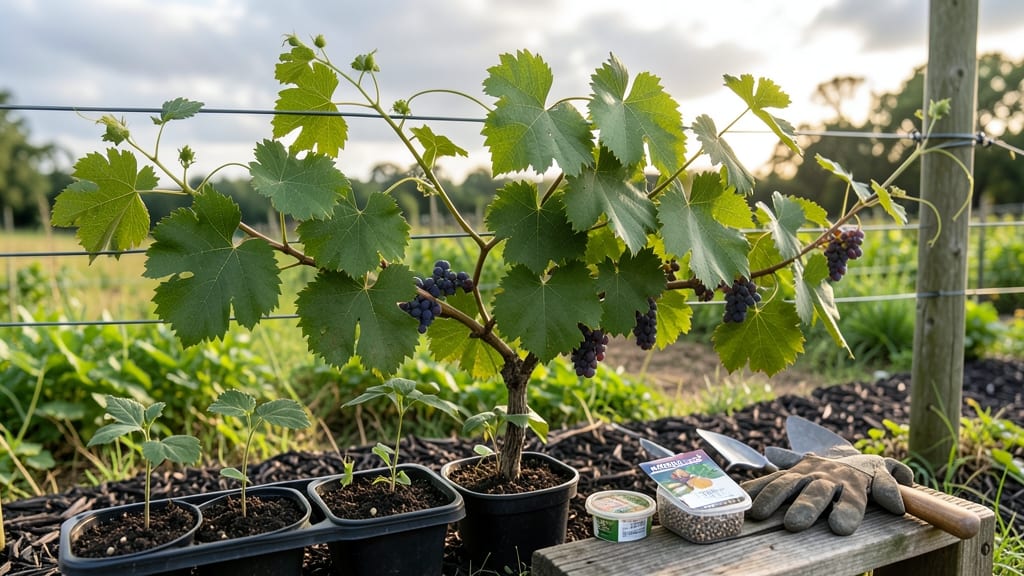
Planting concord grape seeds requires a little patience and the right timing—these seeds need cold stratification to break dormancy, and I’ve learned that skipping this step means waiting months (or years!) for germination. 🌱 The process mimics winter’s natural cycle, tricking seeds into thinking spring has arrived when you’re ready to plant.
What you’ll need is simple: fresh seeds, a moist paper towel or peat moss, and a refrigerator for about 8-12 weeks before sowing.
Once stratified, you’ll sow seeds in well-draining soil, about ¼-inch deep, and space them 6-8 inches apart—they’re delicate at first but will grow into sturdy vines.
The key is keeping the soil consistently moist (not soggy) and warm, ideally between 65-75°F, which speeds up germination in 4-8 weeks. If your climate is cooler, extend the stratification time or use a heat mat to coax those first green shoots.
What you’re aiming for are strong, dark-green seedlings with two sets of leaves—these are your winners. Weak or leggy sprouts mean too much light or inconsistent moisture, so adjust accordingly.
Once they’re 4-6 inches tall, you can transplant them into individual pots before moving them outdoors after the last frost. It’s a slow game, but the payoff is worth it: homegrown grapes in 3-5 years.
Regional tweaks matter here: Northern gardeners should start seeds indoors 10-12 weeks before last frost, while Southerners can direct-sow after stratification. Mulch heavily in summer to protect young vines from heat stress, and be patient—grapevines take time, but they’re worth every wait. Here’s where the magic begins.
📚 In This Guide
- What you need
- Instructions
- Tips and common mistakes
- Wrapping up and next steps
What you need
- ● Concord grape seeds: 10–20 fresh, viable seeds (harvested from ripe grapes or purchased from a reputable supplier). Pro tip: 💡 Save seeds from organic grapes for the best results!
- ● Cold-stratification supplies: 1 small paper towel or coffee filter
- ● 1 resealable plastic bag (quart-sized)
- ● 1–2 tablespoons moistened peat moss or vermiculite (or a damp paper towel)
- ● Planting containers: 2–3 small pots (4–6 inches deep) with drainage holes or
- ● 1 large seed tray with individual cells (for multiple seeds)
- ○ High-quality potting mix: 1 bag (sterilized, well-draining mix designed for seeds or seedlings). Optional: Mix in perlite or sand for extra aeration!
- ● Spray bottle: For gentle watering (avoid over-saturating seeds).
- ● Clear plastic wrap or humidity dome: To retain moisture during germination.
- ● Grow lights or sunny windowsill: A south-facing window or LED grow lights (12–16 hours of light daily).
- ○ Thermometer (optional): To monitor soil temperature (ideal range: 65–75°F).
- ● Patience: Concord grape seeds can take 3–6 weeks (or longer!) to germinate—don’t rush it!
- ● Warmth: A consistent indoor space (e.g., near a heater or in a greenhouse) for cold stratification (33–41°F for 6–8 weeks).
- ● Outdoor space (future step): A sunny, well-draining spot with 6+ hours of sunlight daily (Concord grapes thrive in USDA Zones 5–9).
Step-by-step instructions for planting Concord grape seeds
Here's the method I rely on after years of trial and error—cold stratification is key for breaking dormancy and ensuring reliable germination.
🌱 Step 1: Extract and Prepare the Seeds
Concord grapes grow from seeds found inside the fruit, but they must be clean and properly prepared. Cut the grapes open and scoop out the seeds, removing any remaining pulp. Rinse them thoroughly under cool water to remove all traces of fruit. I like to place them on a paper towel to dry completely—this prevents mold during stratification.
Once dry, store the seeds in a small container with a damp paper towel at the bottom. Cover the container loosely to allow airflow while keeping the towel moist. This initial damp period helps soften the seed coat, which is naturally tough and slows germination.
❄️ Step 2: Cold-Stratify for 4-6 Weeks
The most critical step is cold stratification, which mimics winter conditions and breaks seed dormancy. Place the container of seeds in your refrigerator's crisper drawer, where temperatures stay consistently between 35-40°F. Keep the paper towel damp but not soggy—excess moisture can cause rot.
Check the seeds weekly and mist with water if the towel feels dry. After 4-6 weeks, the seeds will be ready for planting. This process ensures they'll germinate reliably rather than sitting dormant in the soil. I've found that skipping this step results in erratic germination, with some seeds never sprouting.
🪴 Step 3: Plant in Well-Draining Soil
Fill small pots or seed trays with a mix of 50% potting soil and 50% perlite to improve drainage—Concord grape seeds hate soggy conditions. Plant the stratified seeds ½ inch deep, spacing them about 1 inch apart in the container. Gently press the soil around them to ensure good contact without compacting.
Water lightly from the bottom of the pot to avoid displacing the seeds. Place the container in a warm, bright location with indirect light. A seedling heat mat set to 70-75°F can speed up germination, but a sunny windowsill works too. Keep the soil consistently moist but never waterlogged—this prevents damping-off disease.
☀️ Step 4: Provide Warmth and Light for Germination
Germination typically takes 2-4 weeks, but patience is key—some seeds may take longer. Once sprouts appear, move the seedlings to a south-facing window or under grow lights for 12-14 hours of light daily. You'll know they need more light if the stems grow tall and leggy, reaching toward the source.
When the first true leaves (not the initial seed leaves) emerge, thin the seedlings to the strongest one per pot. This prevents overcrowding and ensures the remaining plant has enough nutrients. Keep the soil moist but reduce watering slightly once the seedlings are established.
🌿 Step 5: Transplant and Overwinter Young Plants
After 4-6 weeks, when seedlings have 3-4 sets of leaves, transplant them into 4-inch pots with fresh potting mix. Harden them off by placing them outside in a shaded area for 1-2 hours daily, gradually increasing exposure over 10-14 days. This prepares them for outdoor conditions.
Concord grapes are hardy but grow slowly, so don’t rush them. In their first year, focus on establishing strong roots. Plant them outdoors in spring after the last frost, choosing a sunny spot with well-draining soil. Mulch around the base to retain moisture and protect roots in winter—these plants need time to mature before producing fruit.
Tips & tricks for planting Concord grape seeds
Concord grape seeds need special care to break their dormancy—here's how to maximize your success without the guesswork.
Cold Stratification Precision: The 4-6 week cold stratification at 35-40°F is non-negotiable for Concord grapes. I've found that using a small plastic container with ventilation holes (like a takeout container with poke holes) works perfectly. Place it in the crisper drawer where temps stay most consistent—avoid the door where temps fluctuate wildly. If your fridge runs warmer than 40°F, consider a dedicated seed stratification fridge or use a DIY setup with a cooler and ice packs.
Seed Preparation Secret: That initial damp paper towel in Step 1 isn't just about moisture—it's about creating a controlled environment that softens the seed coat without causing rot. I recommend using a single layer of paper towel folded twice (like a tiny sandwich) to ensure even moisture distribution. After drying, store seeds in a sealed container with a tiny hole for airflow—this prevents mold while maintaining humidity. Trust me on this: I've ruined three batches from either too much moisture or not enough.
Soil Mix Science: The 50/50 potting soil to perlite ratio in Step 3 isn't arbitrary—Concord grape roots need both organic matter and aeration. I've had better success with adding a handful of coarse sand to improve drainage further. When planting, press the soil gently but firmly around seeds to eliminate air pockets, which can prevent root contact. A good test is to gently wiggle the pot after planting—if seeds shift, press more firmly.
Germination Light Strategy: Once sprouts appear, that 12-14 hours of light becomes critical. South-facing windows work, but if your home doesn't get strong sunlight, supplement with a basic LED grow light placed 6 inches above seedlings. The key is to avoid direct overhead light, which causes leggy growth. I rotate my seed trays daily to ensure even light exposure—this prevents uneven growth that can stress young plants.
Pro Tips for Plant Concord Grape Seeds
- Concord grape seeds need special care to break their dormancy—here's how to maximize your success without the guesswork.
- Cold Stratification Precision: The 4-6 week cold stratification at 35-40°F is non-negotiable for Concord grapes.
- Seed Preparation Secret: That initial damp paper towel in Step 1 isn't just about moisture—it's about creating a controlled environment that softens the seed coat without causing rot.
Frequently asked questions
about planting Concord grape seeds—because even the best gardeners need a little extra guidance! Here are answers to the most common queries to help you grow strong, healthy vines.How long does it take for Concord grape seeds to germinate?
With cold stratification, germination typically takes 4–12 weeks after planting. Keep soil consistently moist (not soggy) and warm (around 70–75°F) to speed up the process. Patience is key—some seeds may take longer, especially if stratification wasn’t perfect!
Can I skip cold stratification and plant seeds directly?
Not recommended! Concord grape seeds require cold stratification to break dormancy. Planting them directly often results in 0% germination. If you’re short on time, try refrigerating seeds in damp paper towels for 6–8 weeks before planting for better success.
What’s the best soil mix for growing Concord grape seeds?
Use a light, well-draining mix like 50% potting soil + 50% perlite or sand. Concord grapes dislike soggy roots, so avoid heavy clay. Add a slow-release fertilizer (low in nitrogen) to support early growth without burning tender seedlings.
Why aren’t my seeds sprouting? Troubleshooting tips.
Check these common issues:
- Dampness: Overwatering can cause rot. Let the top inch of soil dry slightly between waterings.
- Temperature: Seeds need warmth (70°F+) to germinate. Use a heat mat if your home runs cool.
- Old seeds: Concord seeds lose viability quickly. Use fresh seeds (1 year old) for best results.
- Light: Keep seeds in bright, indirect light until sprouts emerge (2–3 inches tall), then move to full sun.
Will seeds grown from Concord grapes taste the same as store-bought?
Probably not! Store-bought Concord grapes are cultivar-specific and often grafted for consistency. Seed-grown vines may produce smaller, less sweet fruit or even wild-type grapes. For reliable flavor, consider buying rooted cuttings from a nursery instead.
Wrapping up and next steps
Planting Concord grape seeds is a rewarding journey that combines patience with the joy of nurturing life from scratch.
By following the steps of cold stratification, providing the right soil conditions, and giving your seedlings the care they need, you’ll be well on your way to growing your own delicious grapes—even if it takes a little time! 🌱
Once your seedlings are thriving, consider transplanting them into a permanent spot in your garden or container. If you’re eager to expand your grape-growing skills, explore pruning techniques or companion planting to maximize your harvest. Happy gardening—your future grapevines are waiting! 🍇