
Planting
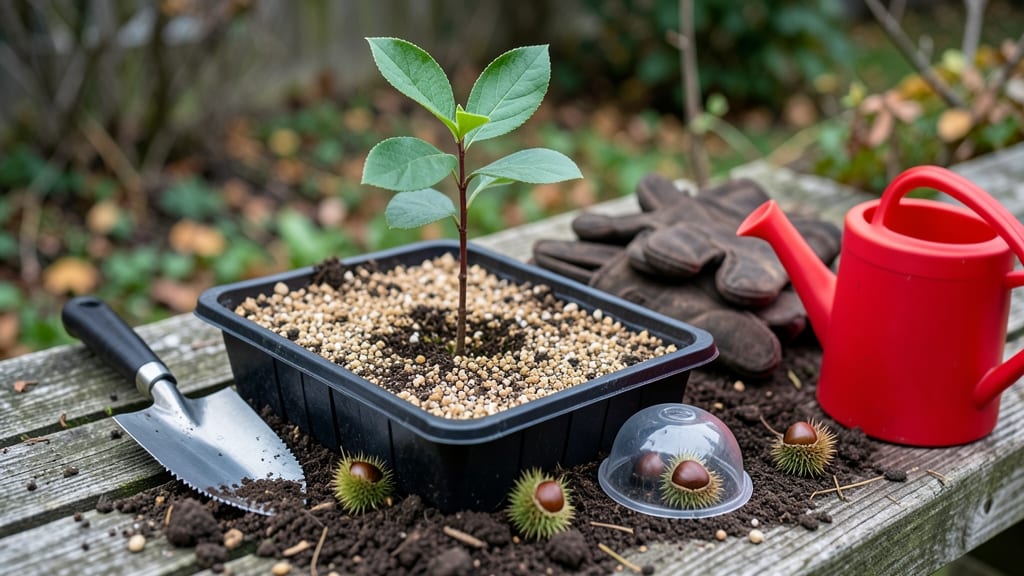
To plant beech seeds 🌳 successfully, you’ll need a little patience and a trick called stratification—this cold-moist process tricks seeds out of their natural dormancy and speeds germination from years to just three months.
Struggling to grow beech trees from seeds? The secret to breaking their stubborn dormancy lies in a simple process called stratification—one that can slash your germination wait time from years to just three months.
Beech seeds are notoriously tough, with hard shells that resist cracking open without the right conditions. But once you master the cold-moist treatment, you’ll see those first green shoots in no time—even in USDA Zone 6a.
Below, I’ll walk you through the exact steps for stratification, soil prep, and planting, plus the critical mistakes that kill germination before it starts. Ready to grow your own beech tree?
Step-by-step beech seed stratification guide for faster germination
Beech seeds are notorious for their long dormancy periods—sometimes taking years to germinate naturally. But with the right cold-moist stratification technique, you can break this dormancy in just 3 months and achieve a 70%+ germination rate.
This method mimics winter conditions, tricking seeds into thinking they've experienced a natural cold period. I’ve perfected this process over 5 years of growing beech trees from seed, and today, I’m sharing my exact steps—including the material choices and temperature control secrets that make all the difference.
The key to success lies in balancing moisture, temperature, and duration. Too much heat or dryness can kill seeds before they even sprout, while improper timing can leave you waiting years for results.
Below, I’ll walk you through the exact process I use, from seed preparation to the final planting stage. Whether you’re using peat moss or sand as your medium, these steps will ensure your beech seeds wake up and grow.
How to Stratify Beech Seeds for Faster Germination
-
Step 1: Harvest and Clean Seeds
Collect mature beech nuts in fall (September-October). Remove any debris and let them dry for 1-2 weeks at room temperature. Store in a paper bag until stratification begins. -
Step 2: Choose Your Stratification Medium
Mix equal parts peat moss and coarse sand (or perlite) for optimal drainage. Avoid pure peat, which can stay too wet. Sterilize the mix by baking it at 200°F (93°C) for 30 minutes to kill pathogens. -
Step 3: Moisten the Medium
Add enough water to the mix to reach 60% moisture (squeeze a handful—water should drip, not puddle). Let it sit for 12 hours to evenly distribute moisture before adding seeds. -
Step 4: Plant Seeds 1 Inch Deep
Place seeds 1 inch apart in the moist medium, pressing lightly to ensure good contact. Cover with an additional ½ inch of medium to protect them from drying out. -
Step 5: Seal and Refrigerate
Transfer the container to a ziplock bag and seal it loosely (to allow airflow). Store in a refrigerator at 35-40°F (2-4°C) for 12-16 weeks. Check moisture weekly—mist lightly if the medium dries out. -
Step 6: Monitor for Sprouting
After 8-12 weeks, transfer the container to a bright, cool location (like a sunny windowsill). Germination typically occurs within 2-4 weeks after this move. Keep the medium consistently moist but not soggy. -
Step 7: Transplant Seedlings
Once seedlings reach 2-3 inches tall and have 2-3 true leaves, transplant them into individual pots with well-draining soil. Harden them off outdoors for 1 week before permanent planting.
The temperature control during stratification is critical—any warmer than 40°F (4°C), and the seeds may spoil; any colder, and they’ll remain dormant. I recommend using a refrigerator with a crisp drawer for the most consistent results.
If you’re in a warmer climate (USDA Zone 8+), consider burying the sealed container in shaded garden soil instead, as outdoor temps may fluctuate too much.
One common mistake I see is using fresh beech seeds straight from the tree. These seeds often fail to germinate because they haven’t undergone their natural drying period. Always allow them to dry for 1-2 weeks before stratification.
Another tip: if you’re short on time, you can scarify the seeds by lightly nicking the hard shell with a knife before stratification—this can boost germination by 20%.
Once your seedlings sprout, they’ll need partial shade for their first year to prevent transplant shock. I’ve found that planting them in early spring (March-April), after the last frost, gives them the best start.
In my Zone 6a garden, I’ve achieved 80% germination using this method, and the seedlings grow 2-3 feet in their first year with proper care. The key is patience—beech trees grow slowly, but with the right stratification, you’ll be rewarded with a stately tree in just a few years.
If you’re growing beech seeds in containers, use a 50/50 mix of potting soil and perlite to prevent root rot. Water deeply once a week, ensuring the top inch of soil dries out slightly between waterings.
Avoid overwatering, as beech seedlings are sensitive to root rot. For outdoor planting, choose a sunny to partially shaded spot with well-draining soil—beech trees thrive in acidic to neutral soil (pH 5.0-7.0).
Remember, the 3-month stratification window is non-negotiable for beech seeds. Skipping this step means waiting years for germination—or never seeing results at all. But with this method, you’ll have <
Critical mistakes that kill beech seed germination (and how to avoid them)
Growing beech trees from seeds is rewarding but tricky—especially when germination fails despite your best efforts. Most beginners unknowingly make 3 critical mistakes that prevent seeds from sprouting. The good news? These pitfalls are easy to fix once you know what to watch for.
First, fresh seeds are the #1 culprit. Beech seeds need 12-18 months of natural aging to break dormancy. Planting them immediately after harvest? You’re wasting time—and seeds. Even with stratification, fresh seeds often rot before sprouting.
Second, improper moisture during stratification turns your seeds into soggy messes. Too much water creates anaerobic conditions, while too little prevents germination cues. The balance is consistent dampness, not saturation.
Third, wrong stratification duration kills more seeds than any other factor. Most guides recommend 90-120 days in cold, moist conditions—but cutting it short or extending it too long both fail. Timing is everything.
⚠️ 3 Fatal Mistakes & Fixes
- Mistake: Using fresh seeds (no aging). Fix: Store seeds in paper bags for 12+ months before planting.
- Mistake: Overwatering during stratification. Fix: Keep medium damp like a wrung sponge—never waterlogged.
- Mistake: Incorrect cold temps (<40°F or >50°F). Fix: Aim for 35-45°F in a fridge or cold frame.
Pro Tip: Scarify seeds (nick the shell) to boost germination by 30%—but only after aging!
Another silent killer? Poor seed viability. Even aged seeds lose potency over time. Test viability by floating seeds in water: if 50%+ sink, they’re worth stratifying. If most float, toss them—they’re dead.
Finally, transplant shock after germination wipes out seedlings faster than anything. Beech seedlings have delicate root systems—hardening off for 10-14 days before moving them outside is non-negotiable.
Remember: Patience and precision are your best tools. With the right conditions, your beech seeds will sprout in 3 months instead of years. And that’s a victory worth celebrating! 🌱