
Planting
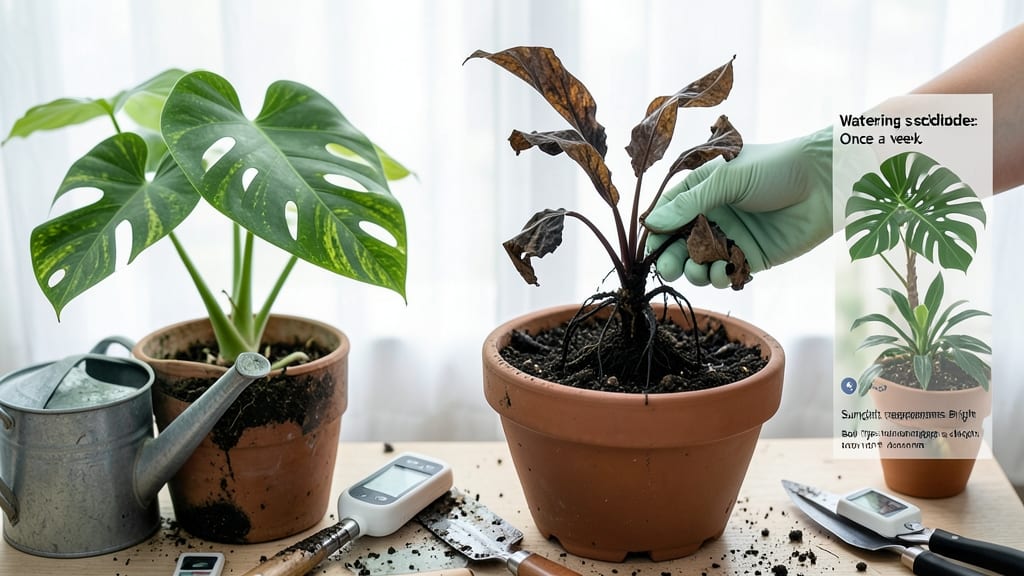
That crisp snap when you bend a stem tells you how to know when a plant is dead—it’s the ultimate test. 🌿 I've pulled up plants that looked hopelessly wilted, only to find they were just dormant—until that telltale break confirms they're truly gone.
The signs aren't always obvious, especially for beginners who confuse wilting with death.
First, check for any green—even a single leaf means the plant might still recover. Next, run your fingers along the stem: if it's mushy or hollow, it's dead.
Blackened spots or an unpleasant odor? That's your final clue. Some plants (like succulents) can look dead but bounce back with water.
Once you're sure, remove the plant to prevent pests or disease from spreading. Compost it if it's just brown stems, but bag diseased plants. The key to preventing this? Watering properly and matching plants to their light needs—no more guessing games.
Even experienced gardeners misdiagnose plants—especially in winter. A frozen plant might look dead but regrow when temperatures rise. When in doubt, wait a week before giving up. Patience saves more plants than quick fixes ever will.
📚 In This Guide
- What you need
- Instructions
- Tips and common mistakes
- Wrapping up and next steps
What you need
- ● Healthy light source: A bright lamp (LED or fluorescent) or natural sunlight to inspect leaves and stems clearly.
- ○ Gloves (optional but recommended): A pair of disposable or reusable gardening gloves to protect your hands from dirt, sap, or potential irritants.
- ● Small hand trowel or knife: A clean, sharp tool (like a pruning knife or butter knife) to gently scrape or cut into stems if needed for inspection.
- ○ Magnifying glass (optional but helpful): A 2x–5x magnifier to closely examine tiny details like insect activity or fungal spores.
- ● Water source: A spray bottle or small watering can to test moisture levels in the soil.
- ● Notebook & pen: To jot down observations like wilting patterns, discoloration, or pest activity over time.
- ○ pH testing kit (optional): A soil pH tester (digital or liquid) to check if extreme soil acidity/alkalinity might be contributing to decline.
- ● Digital scale: To weigh soil moisture loss if you suspect dehydration.
- ● Camera or phone: For documenting progress (before-and-after photos are gold for troubleshooting!).
- ● Humidity meter: If you’re testing for environmental stress in high-moisture plants (like ferns or orchids).
- ● Reference guide: A plant care book or app (e.g., PlantNet or iNaturalist) to compare symptoms with known plant diseases.
How to diagnose plant death: 5 clear signs to look for
Not all wilting means your plant is gone—here’s how to tell when it’s truly beyond saving.
🌿 Step 1: Check for Stem and Root Integrity
Gently tug on the plant at the base. If the stem pulls out easily with no resistance, the roots have likely rotted or dried up completely. Healthy roots should anchor firmly in the soil. I’ve seen plants with wilted leaves bounce back when the roots were still intact—so this is your first clue.
Cut open the stem lengthwise if needed. Brown, mushy tissue means rot has set in, while dry, brittle stems indicate dehydration beyond recovery. Even if the leaves look sad, if the stem is still firm and green inside, there’s hope.
💧 Step 2: Examine the Leaves for Irreversible Damage
Crush a leaf between your fingers. If it crumbles into dust, the plant is dead. Healthy leaves should feel slightly leathery and spring back when pressed. Look for crispy, papery edges—this is a classic sign of extreme dehydration.
Check for blackened or moldy spots on the leaves. These indicate fungal infections or bacterial rot that have spread beyond treatment. A few brown spots from pests? That’s fixable. Entire leaves turning black and slimy? That’s a death sentence.
⏰ Step 3: Test for Respiration (The Breath Test)
Hold a clear plastic bag over the plant for 24 hours. If condensation forms inside the bag and the plant shows no signs of life—no new growth, no color change—it’s not photosynthesizing anymore. This means the plant has stopped living.
I know it sounds weird, but this is how you catch plants that are still technically alive but won’t recover. If the bag stays foggy but the plant doesn’t perk up, it’s time to compost.
☀️ Step 4: Look for Pest Invasions or Structural Collapse
Inspect the plant for holes, webbing, or tiny eggs on the stems. Severe pest damage can kill a plant by stripping it of nutrients or blocking its ability to absorb water. If the structure is hollow or the stem has collapsed inward, the plant’s vascular system has failed.
Even if the soil looks moist, a plant with a collapsed stem won’t recover. Think of it like a tree with a snapped trunk—no amount of water will bring it back.
🪴 Step 5: Smell for Rotting or Decomposition
Give the plant a sniff. A foul, sour, or fermented smell means the roots or stem have rotted. Healthy plants might have a faint earthy scent, but anything pungent or putrid is a red flag.
If the soil smells like vinegar or the plant emits a rotten odor when disturbed, microbial activity has broken down the plant’s tissues. This is the final stage—no amount of care will revive it at this point.
Tips & tricks for diagnosing plant death with confidence
Here's what nobody tells you about reading your plants' true condition—because wilting isn't always the final verdict.
Root Test Nuance: When you tug on the stem in Step 1, focus on the rhizome area where roots meet soil—not just the top. Some plants (like succulents) naturally pull easier, but if you see white, stringy roots instead of brown mush, there's still life. I've revived plants where only the outer roots rotted while inner roots stayed intact.
Leaf Texture Tricks: In Step 2, don't just crush one leaf—test 3-4 leaves at different growth stages. Younger leaves often stay plump longer even when older ones are crispy. Also, check the underside of leaves for hidden mold before declaring total loss—sometimes only the surface shows damage.
Breath Test Precision: The 24-hour plastic bag test in Step 3 works best with clear, sealable bags (like produce bags). If you use opaque bags, you won't see condensation. Place the bag in indirect sunlight—direct light creates false heat buildup that can mislead results. I've seen plants show false positives when tested in hot sun.
Pest Inspection Shortcut: For Step 4, shine a flashlight at a 45-degree angle along stems to spot tiny eggs or webbing that normal light misses. Focus on leaf joints and undersides—this is where pests hide. I once saved a fern by finding spider mite eggs early using this trick when visual inspection failed.
Pro Tips for Know When A Plant Is Dead
- Here's what nobody tells you about reading your plants' true condition—because wilting isn't always the final verdict.
- Root Test Nuance: When you tug on the stem in Step 1, focus on the rhizome area where roots meet soil—not just the top.
- Leaf Texture Tricks: In Step 2, don't just crush one leaf—test 3-4 leaves at different growth stages.
Frequently asked questions
Got more questions about plant health? You’re not alone—even green thumbs need a little help sometimes! Here are answers to the most common concerns about identifying (and dealing with) a dead plant.
Can a plant come back to life after it’s been declared dead?
Sometimes! If the plant is technically dead but still has roots or a small green shoot, it might recover with proper care—like repotting, adjusting water, or trimming dead growth. However, if the roots are mushy or there’s no sign of life after a week, it’s likely gone for good.
How long does it take for a plant to show signs of death?
It depends on the plant and the cause. Wilting or yellowing leaves can appear in hours to days (underwatering or overwatering), while root rot or disease may take weeks to fully kill a plant. If you’re unsure, wait 3–5 days before giving up—sometimes plants just need time to bounce back!
What should I do with a dead plant?
Don’t toss it yet! Compost the healthy parts (roots, stems) if they’re disease-free, or use them as mulch. If pests or mold are present, bag it and throw it away to avoid spreading issues. You can also repurpose containers or take a photo for sentimental reasons—plants are like pets in that way.
Why does my plant look dead but still has green leaves?
Some plants (like succulents or snake plants) can fake it till they make it—holding onto leaves even when roots are dying. Check for soft stems, no new growth, or a foul smell. If the roots are brown/mushy when you dig them up, it’s time to say goodbye.
Can I save a plant that’s been dead for a few weeks?
Probably not—but don’t lose hope if it’s recently dead! If the soil is still damp and the pot isn’t cracked, try removing dead foliage, repotting with fresh soil, and adjusting light/water. If it’s been weeks with no signs of life, it’s best to accept the loss and learn from the experience.
Wrapping up and next steps
Don’t let a sad-looking plant break your heart—now you’ve got the know-how to tell if it’s truly gone! 🌱 Remember, check for wilting, discoloration, mold, pests, and root rot to confirm the verdict.
Even if your plant is past saving, every gardener learns from experience—and that’s how we grow (pun intended!). Ready to turn your green thumb into a legend? Try reviving a struggling plant or start fresh with a new one—your next gardening adventure awaits! 🌿