
Planting
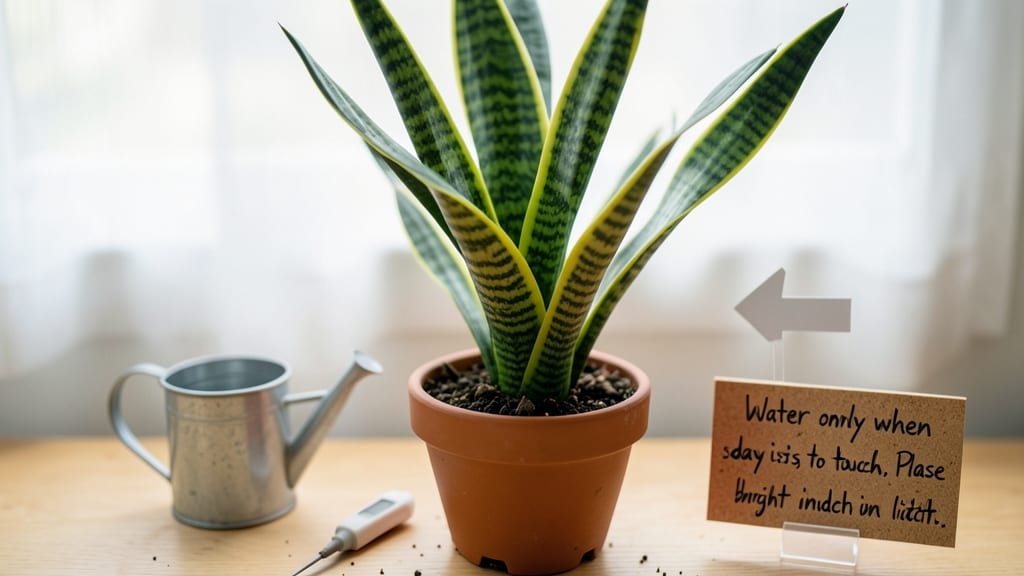
Keeping a plant alive isn’t rocket science—it’s about matching its needs to your environment. 🌱 I’ve lost count of how many plants I’ve killed (yes, even the "easiest" ones), but the truth is simple: most plants die from three things—light, water, or soil.
The good news? Fixing these three fixes almost everything.
Start with light: most houseplants need bright, indirect light—think near a window but not in direct sun. Water only when the top inch of soil feels dry, and use well-draining soil to prevent root rot.
Overwatering is the #1 killer, but underwatering stresses plants just as much. A moisture meter or your finger works perfectly.
You’ll notice the difference within days—leaves perk up, new growth appears, and pests stay away. The key is consistency: stick to a simple routine, and your plants will thrive. Even my black thumb can’t mess this up once you get the basics right.
If your plant is already struggling, don’t panic. Yellow leaves? Check the water. Brown edges? Too much sun. Reviving takes patience, but with these three fixes, you’ll have lush, happy plants in no time. Let’s get started!
📚 In This Guide
- What you need
- Instructions
- Tips and common mistakes
- Wrapping up and next steps
What you need
- ● Pot or container: Choose one with drainage holes (if repotting). Size should match the plant’s root system—1-2 inches larger in diameter than the root ball for most houseplants.
- ● Quality potting soil: Use a well-draining mix (avoid garden soil). For succulents/cacti, opt for a cactus or sandy mix. Quantity: Enough to fill the pot 2/3 full before planting.
- ● Water: Room-temperature, chlorine-free water (let tap water sit out for 24 hours if needed). Avoid distilled or softened water for most plants.
- ● Light source: Natural light: A south- or west-facing window (bright, indirect light).
- ● Artificial light: A grow light (LED or fluorescent) (12-16 hrs/day) for low-light plants.
- ● Watering can or spray bottle: For precise watering (especially for delicate plants like ferns or orchids).
- ● Trowel or spoon: For repotting or adjusting soil.
- ● Moisture meter: To check soil moisture before watering (prevents over/under-watering).
- ● Humidity tray or pebble tray: For tropical plants that love 50-70% humidity.
- ● Fertilizer (liquid or slow-release): Balanced formula (e.g., 10-10-10 NPK) or plant-specific (e.g., succulent fertilizer).
- ● Plant labels: To track watering schedules, light needs, and variety.
- ● Plant type: Research your plant’s light, water, and soil needs (e.g., snake plants vs. ferns).
- ● Time commitment: Even low-maintenance plants need weekly checks for pests or stress.
- ● Patience: Some plants (like bamboo or citrus trees) take months to years to mature.
Step-by-step instructions for keeping your plant thriving
Here's the simple system I swear by—no green thumb required.
☀️ Step 1: Master the Light Requirements
Most houseplants need bright, indirect light—think near an east-facing window where sunlight filters through curtains. If leaves start stretching toward the light (called "etiolation"), your plant is hungry for more. Rotate it a quarter turn weekly so growth stays even. For low-light plants like snake plants or ZZ plants, a north-facing window works just fine.
Watch for these clues: crispy brown edges mean too much direct sun, while pale yellow leaves signal insufficient light. If your space is dim, supplement with a grow light positioned 6-12 inches away for 12-14 hours daily. You'll notice new leaves emerging brighter and more vibrant within a couple of weeks.
💧 Step 2: Water with Precision (Not Guesswork)
Stick your finger 1-2 inches into the soil—if it feels dry, it's time to water. Overwatering is the #1 killer, so let the top inch of soil dry out between waterings. When you water, do it thoroughly until water runs out the drainage hole. Empty the saucer afterward to prevent root rot—soggy roots can't breathe.
Here's the thing: different plants have different thirst levels. Succulents like jade plants need water every 2-3 weeks, while ferns may need it weekly. Always check the soil first. If water beads up on the surface instead of soaking in, your plant's telling you it's had enough.
🌱 Step 3: Feed the Roots with the Right Soil Mix
Use a well-draining potting mix designed for your plant type—orchids need chunky bark, while tropical plants prefer moisture-retentive blends. If your plant came in generic store-bought soil, it's probably too dense. Amend it with perlite or orchid bark (about 20% of the mix) to improve aeration.
Repot every 1-2 years or when roots circle the pot. You'll see roots growing out of drainage holes or the soil drying out too fast—these are signs your plant has outgrown its home. Choose a pot 1-2 inches wider than the current one. A snug fit prevents overwatering by limiting soil volume.
✂️ Step 4: Prune and Encourage Healthy Growth
Trim yellow or brown leaves at the base with clean scissors to redirect the plant's energy. You can also pinch back leggy growth to encourage bushier, fuller plants. For vining plants like pothos, propagate cuttings in water—it's a great way to multiply your collection without spending money.
Dust leaves every few months with a damp cloth. Dust blocks light absorption, so your plant won't photosynthesize efficiently. You'll notice leaves looking dull or grayish—this is your cue to clean them. For larger plants, use a soft brush to remove dust from hard-to-reach spots.
🌿 Step 5: Watch for Trouble Signs Early
Yellow leaves usually mean overwatering, while crispy brown edges signal underwatering or too much sun. Pests like spider mites start as tiny dots on the undersides of leaves—check regularly, especially if your plant looks suddenly dull. Isolate new plants for a week to prevent infestations from spreading.
If you notice wilting despite moist soil, your plant might be root-bound or suffering from disease. Gently remove it from the pot to inspect the roots. Healthy roots are firm and white, while mushy or black roots mean rot. Act fast—trim away the bad roots and repot with fresh soil to save your plant.
Tips & tricks for perfect plant care
Between us, I've killed more plants than I care to admit—but these tricks saved my green thumb. Here's what nobody tells you about keeping plants thriving.
Light Placement: That east-facing window isn't just for looks—it's the Goldilocks zone for most plants. If your leaves are stretching like they're reaching for the sky (etiolation), move them closer. For low-light plants, a north-facing window works, but supplement with a grow light 6-12 inches away for 12-14 hours daily—it makes all the difference for those dim corners. I learned this the hard way after my fiddle-leaf fig looked like it was doing yoga stretches!
Watering Wisdom: The finger test is your best friend. Stick your finger 1-2 inches deep—if it feels dry, water thoroughly until it runs out the drainage hole. Here's the thing: empty that saucer afterward! I used to ignore this and ended up with root rot. Also, if water beads up on the surface, stop—your plant's had enough. And remember, succulents and ferns have completely different thirst levels!
Soil Mix Secrets: That generic store-bought soil? Probably too dense. Mix in 20% perlite or orchid bark to improve aeration—your plant's roots will thank you. When repotting, go for a pot just 1-2 inches wider than the current one. I went too big once, and my plant drowned in all that extra soil. Trust me, snug fits prevent overwatering by limiting soil volume.
Pruning Payoff: Don't hesitate to trim those yellow leaves—they're just stealing energy from your plant. And if your plant looks leggy, pinch back the growth to encourage bushier, fuller plants. I propagated my first pothos cutting this way, and now I've got three plants from one! For dusty leaves, a damp cloth works wonders—just don't forget the undersides where pests love to hide.
Pro Tips for Keep Plant Alive
- Between us, I've killed more plants than I care to admit—but these tricks saved my green thumb.
- Light Placement: That east-facing window isn't just for looks—it's the Goldilocks zone for most plants.
- Watering Wisdom: The finger test is your best friend.
Frequently asked questions
Got questions about keeping your plant thriving? You’re not alone! Here are some of the most common concerns—and straightforward answers to keep your green buddy happy.
How often should I water my plant?
Watering depends on the plant type, but a good rule is to check the soil first. Stick your finger about an inch deep—if it feels dry, it’s time to water. Overwatering is a bigger killer than underwatering, so always use a pot with drainage holes. Most houseplants prefer a consistent moisture level rather than soggy soil.
Why are my plant’s leaves turning yellow?
Yellow leaves usually mean overwatering or poor drainage, but they can also signal underwatering or nutrient deficiencies. Check the soil moisture and adjust your watering schedule. If the yellowing starts at the bottom, it’s likely overwatering; if it’s scattered, it could be a light or nutrient issue. Trim the yellow leaves to encourage new growth!
How much light does my plant really need?
Light needs vary wildly—some plants thrive in bright, indirect light (like snake plants), while others, like ferns, prefer low light. Observe your plant: if it’s stretching toward the light (etiolation) or dropping leaves, it’s not getting enough. For low-light plants, a north-facing window is ideal. Rotate your plant occasionally for even growth.
Can I save a dying plant?
Often yes! Start by diagnosing the issue: wilting = underwatering or root rot; brown tips = low humidity or fluoride in water. Trim damaged leaves, repot in fresh soil if needed, and adjust care (light, water, or humidity). Some plants, like succulents, can bounce back from neglect, but act fast—don’t wait until it’s too late!
What’s the best way to revive a root-bound plant?
If roots are circling the bottom of the pot or poking out of drainage holes, it’s time to repot. Gently remove the plant, trim any circling roots, and place it in a slightly larger pot with fresh, well-draining soil. Water lightly afterward and avoid fertilizing for a few weeks to help it recover. Pro tip: Choose a pot just 1-2 inches wider than the current one!
Wrapping up and next steps
Keeping your plant alive is all about understanding its light, water, and soil needs—and a little patience! 🌱 By choosing the right spot, mastering the watering routine, and using quality soil, you’ll give your green friend the best shot at thriving.
Remember, every plant is unique, so don’t be afraid to experiment and observe what works best.
Now that you’re armed with the secrets to plant success, why not take the next step? Try your hand at propagating cuttings, exploring hydroponics, or even growing a new plant from seed. The world of gardening is your oyster—happy growing! 🌿