
Planting
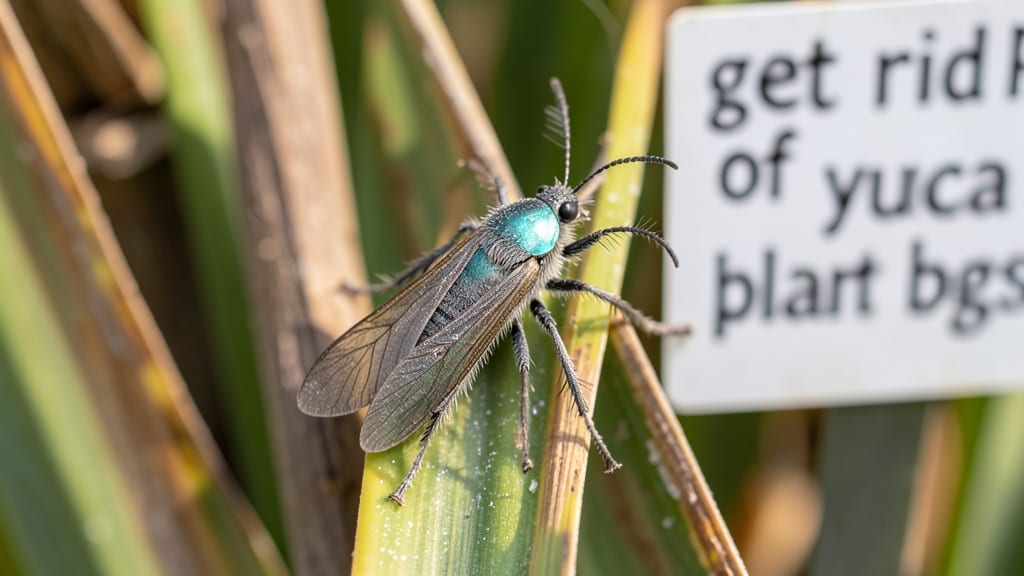
Yucca bugs are the sneaky villains ruining your plant’s sharp, sword-like leaves. 🌱 I’ve battled them on my own yucca and learned the fastest way to stop them—without harsh chemicals. The secret? A homemade spray that works in just 24 hours and keeps your plant thriving.
Most people wait too long, mistaking these pests for harmless specks. But mealybugs, scale, or yucca moths can defoliate your plant in weeks if ignored. My go-to solution?
A mix of soapy water, neem oil, and a splash of alcohol—it smothers bugs on contact while being safe for your plant. You’ll see results after one application, and the smell fades quickly.
By morning, your yucca will look refreshed, and the bugs will be gone. The best part? This spray also prevents future infestations when used monthly. No more sticky leaves or wilting—just a healthy, bug-free plant that keeps growing strong. Here’s exactly how to make it.
Works for all yucca varieties, from dwarf to giant, and even saves other succulents in your collection. Let’s get your plant back to its sharp, vibrant best—naturally.
The Hidden Triggers Inviting Bugs
Yucca plants may look tough, but they’re not immune to pests—especially those pesky bugs that turn your hardy succulent into a buffet. Understanding why these critters show up is the first step to kicking them out for good.
Here’s a breakdown of the most common culprits and their sneaky reasons for crashing your yucca’s party.
Yucca plants thrive in well-draining soil, but when roots get too snug, they signal stress—and bugs love stress. Here’s the science:
- Poor drainage forces roots to compete for oxygen and nutrients, weakening the plant’s defenses. 🌱💦
- Compacted soil (from foot traffic or heavy pots) traps moisture, creating a damp, bug-friendly environment. Fungal gnats, mealybugs, and scale insects flock to soggy roots like a free hotel.
- Overpotting leads to stagnant soil, where organic matter decomposes too slowly, releasing sugars that attract sap-sucking pests like yucca moths (which lay eggs in flower stalks) and whiteflies.
Actionable red flag: If your yucca’s leaves yellow or wilt despite watering, your roots might be drowning—and so are your bug problems.
A healthy yucca repels pests with its natural chemical defenses (like saponins and alkaloids). But when it’s compromised, bugs move in:
- Nutrient deficiencies (especially potassium or nitrogen) make leaves soft and tasty. Spider mites and aphids target weak foliage first.
- Sunburn or frost damage cracks the plant’s armor. Scale insects and thrips exploit these wounds to feed and breed.
- Recent transplant shock stresses the plant, lowering its jasmonic acid levels—a plant’s natural pest-repellent hormone.
Pro tip: 💡 If your yucca’s new growth looks stunted or discolored, it’s sending out an “all-clear” signal to pests. Boost its health with balanced fertilizer (like 10-10-10) before bugs arrive.
Not all bugs target the same parts of your yucca. Here’s who’s after what:
| Bug Type | Yucca’s Weak Point | Why They Choose It |
|---|---|---|
| Yucca Moths | Flower stalks | Females lay eggs in buds; larvae eat pollen and flower tissue. |
| Mealybugs | Leaf axils & stem crevices | Crave the sticky honeydew excreted by stressed plants. |
| Scale Insects | New growth & undersides | Pierce cells to suck sap; sooty mold (a black fungus) grows on their waste. |
| Whiteflies | Undersides of leaves | Flock to yellowing leaves (a sign of poor health or viral infection). |
| Spider Mites | Dry, dusty leaves | Thrive in low humidity; spin webs to trap moisture and prey. |
Key insight: If bugs are clustering in one specific area (like flower stalks or leaf bases), they’re not random—they’re following a chemical trail left by your plant’s stress signals.
Yucca pests don’t just appear—they time their invasions based on your plant’s life cycle:
- Spring awakening: As yuccas break dormancy, new growth attracts aphids and mealybugs (who love tender shoots).
- Summer heatwaves: Spider mites explode in populations when humidity drops below 40%—they dehydrate easily, so they cluster on plants to survive.
- Fall moisture: Fungal gnats and scale insects thrive in cool, damp soil, often after rain or overwatering.
Seasonal hack: 🌡️ Monitor your yucca weekly during spring and fall—these are the high-risk windows for infestations.
Sometimes, you’re the reason bugs showed up. Common human errors include:
- Using contaminated tools (pruners, pots, or soil) from infested plants. Mealybugs and scale hitchhike easily.
- Overwatering (especially with soft, chlorinated water), which weakens roots and attracts fungus-loving pests.
- Ignoring natural predators (like ladybugs or lacewings) by using broad-spectrum pesticides that kill everything—including the bugs that eat your pests.
Oops moment: If you recently repotted or divided your yucca, check the roots for tiny eggs or webbing—they might’ve hitched a ride from the nursery!
Quick Fixes for Yucca Plant Bugs
Yucca plants are tough, but even they can fall prey to pesky bugs like aphids, mealybugs, scale, or spider mites. The good news? You don’t need harsh chemicals to tackle these invaders. Below are practical, step-by-step solutions tailored to the most common causes—plus tips to keep your yucca thriving long-term.
Before bugs become a full-blown infestation, watch for these red flags:
- Sticky residue (honeydew) on leaves or soil.
- White fluffy spots (mealybugs) or tiny black dots (aphids).
- Yellowing leaves or webby strands (spider mites).
- Shell-like bumps on stems (scale insects).
If you spot these, don’t wait—bugs multiply quickly! Grab your tools and follow the fixes below.
These DIY solutions are safe, effective, and work within 24–48 hours for light to moderate infestations.
🔥 Soapy water spray (best for aphids & mealybugs)
Why it works: A gentle soap solution suffocates soft-bodied bugs without harming your plant.
How to do it:
- Mix 1 tsp mild castile soap or dish soap (like Dawn) with 1 quart of water.
- Stir gently—avoid suds, which can clog plant pores.
- Spray directly on bugs (undersides of leaves too!) until leaves glisten.
- Repeat every 3–5 days for 2 weeks.
Pro tip: 💡 Test the spray on a small leaf first to ensure it doesn’t cause browning.
🍳 Neem Oil Solution (Kills Eggs & Adult Bugs)
Why it works: Neem oil disrupts bug life cycles and has antifungal properties.
How to do it:
- Mix 1 tbsp neem oil + 1 tsp mild soap + 1 quart of water.
- Shake well (neem oil separates).
- Spray thoroughly, covering all leaf surfaces and stems.
- Reapply every 5–7 days for 3 weeks.
Pro tip: 🌡️ Apply in the early morning or evening to avoid burning leaves in direct sunlight.
👨🍳 Alcohol Wipe (For Stubborn Scale Insects)
Why it works: 70% isopropyl alcohol dissolves the waxy coating of scale insects.
How to do it:
- Dampen a cotton swab or soft cloth with rubbing alcohol.
- Gently wipe each scale insect until it slides off.
- Follow up with neem oil spray to prevent regrowth.
Pro tip: ✨ Work in small sections to avoid missing any bugs.
If you prefer hands-off solutions, introduce these bug-eating allies:
| Bug Type | Natural Predator | How to Attract/Release |
|---|---|---|
| Aphids | Ladybugs | Buy ladybugs online or plant dill/carrot to lure them. |
| Mealybugs | Cryptolaemus beetles | Release 2–3 beetles per plant (available at garden centers). |
| Spider Mites | Predatory mites (Phytoseiulus) | Sprinkle diatomaceous earth lightly on soil. |
Pro tip: 🎯 Release predators at dusk when bugs are least active.
Stop bugs before they start with these easy habits:
- 💡 Inspect new plants before bringing them home—quarantine for 2 weeks. - 🌡️ Keep humidity in check (bugs love dry, dusty leaves).
Mist leaves 2–3 times a week. - 🍃 Prune regularly to improve airflow (bugs hide in crowded foliage). - 🌿 Use reflective mulch (like aluminum foil) to deter whiteflies. - 🔄 Rotate natural sprays (e.g., soap one week, neem the next) to prevent resistance.
Remember: Consistency is key! Most infestations clear up in 2–4 weeks with diligent treatment. If bugs persist after 3 weeks, consider re-potting the plant in fresh, sterile soil.
Frequently asked questions
What are the most common bugs that attack yucca plants?
Yucca plants often face infestations from mealybugs (white, cottony clusters), scale insects (brown bumps on stems), spider mites (tiny webs on leaves), and yucca moths (lay eggs in flower stalks). These pests target stressed plants, so check for yellowing leaves or sticky residue first.
How do I know if my yucca has a bug problem?
Look for white fluff (mealybugs), sticky residue (honeydew), tiny webs (spider mites), or black dots (aphids) on leaves. Also check flower stalks for yucca moths—if buds look chewed, larvae are likely present.
Will neem oil harm my yucca plant?
No, when used correctly! Dilute 1 tbsp neem oil + 1 tsp soap in 1 quart of water and spray in early morning/evening to avoid leaf burn. Always test a small area first—yuccas are tough but can react to concentrated oils.
Can I use store-bought insecticide on my yucca?
Chemical sprays work but may harm beneficial insects and leave residue. For yuccas, soapy water or neem oil are safer first options. If you must use pesticides, choose horticultural oil and apply at dusk to protect pollinators.
How often should I check my yucca for bugs?
Inspect your yucca weekly during spring/fall (peak bug seasons) and biweekly in summer. Early detection is key—catching pests before they spread means quicker treatment and less plant stress.