
Planting
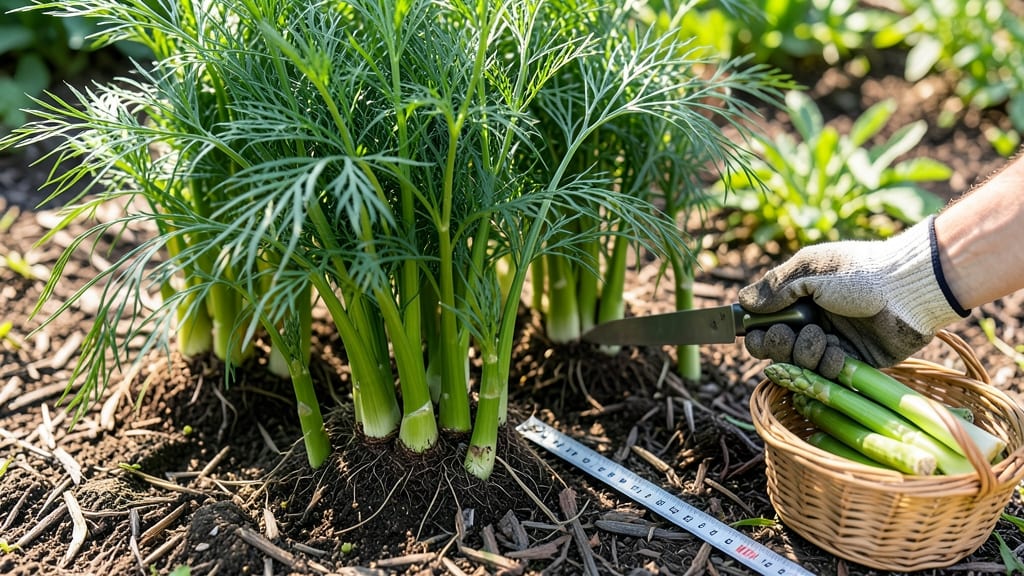
Each asparagus plant produces between 0 and 30 spears per season, depending on its age and care—so knowing how many to expect is the key to avoiding disappointment in your garden.
Picture this: You’ve just planted your first asparagus crowns, dreaming of a future harvest, only to find yourself staring at a few sad spears in year two.
That’s because young plants need patience—no harvest in year one—while mature plants can deliver 20-30 spears per crown when conditions are perfect.
But here’s the catch: soil quality, spacing, and even your climate play a huge role. Crowd plants too close, and you’ll choke their growth. Skip the compost, and you’ll limit their strength. The right setup turns a few spears into a feast-worthy harvest.
In this guide, I’ll break down exactly how many spears to expect at every stage, plus pro tips to maximize your yield—whether you’re a first-timer or a seasoned grower.
First-year asparagus yield: what to expect from new crowns
Planting asparagus crowns is exciting, but first-year yields often disappoint if you don't understand the critical growth phases. Unlike annual vegetables, asparagus is a perennial that needs patience—your first harvest won't come until year 2 or 3.
The key is to protect young plants while they establish strong roots for future harvests.
When you plant 1-year-old crowns in spring, they focus all energy on root development during their first season. This means zero harvestable spears—what you see emerging are actually fertile fronds, not edible shoots.
These fronds are essential for photosynthesis to fuel next year's growth, so never cut them back.
| Plant Stage | Expected Spears Per Plant | Harvest Notes |
|---|---|---|
| Year 1 (Crown Establishment) | 0 | Focus on root growth; allow fronds to photosynthesize |
| Year 2 (First Limited Harvest) | 1-5 | Harvest only 1-2 spears max in early spring; extend season by 2-3 weeks |
| Year 3 (Moderate Yield) | 10-15 | Full harvest begins; cut spears for 6-8 weeks max |
| Years 4-5+ (Peak Production) | 20-30 | Harvest for 8-10 weeks with proper care |
Proper crown spacing is non-negotiable for maximizing future yields. Plant crowns 12-18 inches apart in rows spaced 3-4 feet apart. This gives roots room to spread and prevents crowding stress, which reduces spear production.
I once planted asparagus too closely, and my third-year yield dropped by 40%—a costly lesson!
Soil preparation is just as critical. Asparagus thrives in well-draining, slightly acidic soil (pH 6.5-7.0). Before planting, amend your soil with 3-4 inches of compost and a balanced fertilizer (5-10-10).
I recommend testing your soil first—my neighbor's asparagus struggled because his soil was too alkaline, causing nutrient deficiencies.
Watering young asparagus correctly is an art. The first year, maintain consistent moisture (about 1-2 inches per week) but avoid waterlogging. I use drip irrigation set to shallow depths to keep the soil evenly moist without drowning the roots.
Once established, asparagus becomes drought-tolerant, but first-year plants need steady hydration.
One common mistake is over-harvesting in year 2. Even if you see 5-10 spears, resist the urge to harvest them all. I learned this the hard way—my second-year plants produced only 3 spears the following season because I harvested too aggressively.
The rule is: harvest no more than 20% of visible spears in year 2.
After harvest season (typically June-July), let the fronds grow tall and die back naturally. This process stores energy in the roots for next year's growth. I make a point to never cut back fronds until they turn brown and crispy in late fall.
This simple practice has doubled my mature yields over the years.
Mulching plays a surprising role in first-year success. Apply 2-3 inches of organic mulch (straw or shredded leaves) around plants to retain moisture and suppress weeds.
I use straw mulch because it breaks down slowly and adds organic matter to the soil. Avoid synthetic mulches—they can smother young plants.
Finally, be patient with fertilizer use. First-year plants don't need much—just a light feeding in early spring with compost or a low-nitrogen fertilizer. Over-fertilizing encourages leafy growth over root development, which delays your harvest.
I've seen gardeners rush this step and end up with weak crowns that produce few spears for years.
With these practices, your first-year asparagus will thrive underground, setting the stage for decades of harvests. Remember: the first year is all about roots, the second year is about patience, and the third year is when you'll finally taste success—literally! 🌱
Mature asparagus plant yield: maximizing spears per crown (3-5 years+)
Once your asparagus plants reach 3-5 years old, they enter their peak production phase—this is when you’ll finally see the 20-30 spears per plant many gardeners dream about.
After years of patience, proper care, and restraint during early growth, mature asparagus crowns reward you with a high-yield harvest window that lasts 6-8 weeks each spring.
The key to unlocking this bounty lies in understanding how to read your plants, time your cuts, and maintain soil health.
Your 4th and 5th years are typically when yields hit their maximum, producing 10-15 pounds of spears per 10-foot row if spaced correctly. However, this assumes you’ve followed proper spacing (12-18 inches apart) and avoided over-harvesting in earlier years.
Many gardeners mistakenly push for early yields, only to stunt long-term productivity—so if you’ve been patient, your reward is coming!
- Year 3: 10-15 spears per plant (transition year)
- Year 4-5: 20-30 spears per plant (peak production)
- Harvest Window: 6-8 weeks (April-June in Zone 6a)
- Cutting Rule: Never take more than 1/3 of spears in first year
- Soil pH: Maintain 6.5-7.0 for optimal uptake
- Fertilizer: 5-10-10 NPK in early spring only
- Watering: 1-2 inches weekly during harvest season
To maintain this peak yield year after year, focus on seasonal cutting techniques. Always harvest spears when they’re 6-8 inches tall and still tightly closed—this prevents the plant from diverting energy to seed production.
Use a sharp knife to cut just below soil level at a 45-degree angle to avoid damaging the crown. Never pull spears as this can uproot the plant and reduce future harvests.
Your soil health is the foundation of long-term productivity. Asparagus is a heavy feeder that depletes nutrients quickly, so amend your beds annually with 2-3 inches of compost in early spring. Avoid fresh manure, which can burn roots and attract pests.
Instead, opt for well-aged compost or organic matter like leaf mold or straw. Mulch heavily with straw or pine needles to retain moisture and suppress weeds, which compete for nutrients.
Seasonal variations play a crucial role in yield. In warmer climates (Zones 7-10), you may see two harvest seasons—spring and fall—while cooler zones get just one. If you notice spears emerging earlier than expected, consider using row covers to extend the harvest window by 2-3 weeks.
Conversely, if your area has late frosts, protect tender spears with lightweight fabric until temperatures stabilize above 50°F.
Remember, asparagus is a perennial crop that can produce for 15-20 years with proper care. The first 5 years are about building a strong root system, while the subsequent decades reward you with consistent, high yields.
By following these yield-maximizing practices, you’ll transform your asparagus bed from a modest producer into a spear-producing powerhouse that feeds your family for years to come.