
Planting
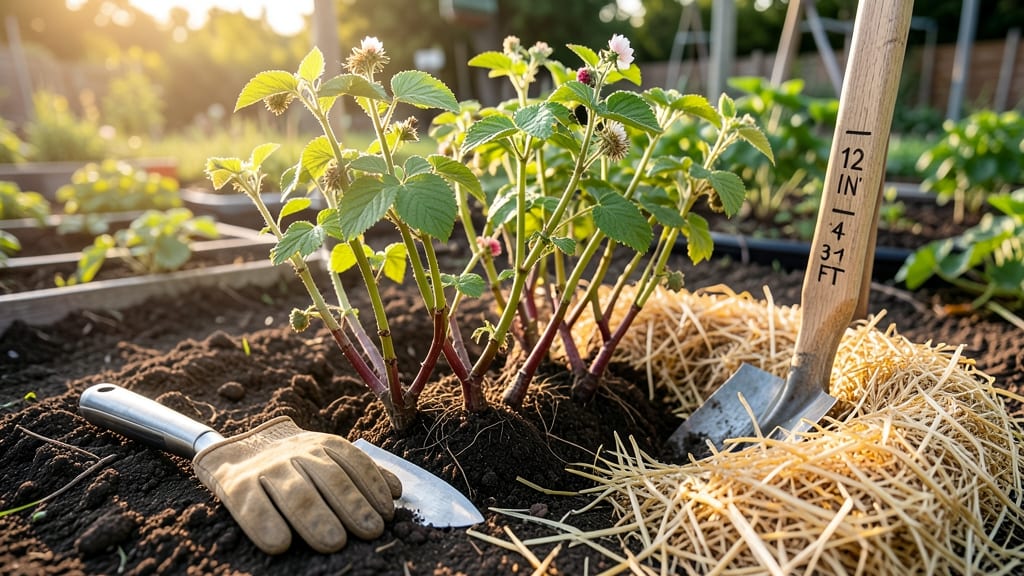
Planting raspberry canes 3 feet apart ensures they thrive with room to spread, fruit heavily, and resist disease—no guesswork needed.
Struggling to get your raspberry patch to thrive? The secret to lush, high-yielding raspberry canes 🍇 starts with proper spacing—3 feet apart isn’t just a suggestion, it’s a game-changer for airflow, sunlight, and disease prevention. Too close, and you’ll end up with weak canes and fewer berries.
This spacing works for most varieties in USDA Zone 6a, but summer-bearing and fall-bearing types need slight tweaks. Whether you’re planting in rows, hedgerows, or small spaces, the right distance keeps your raspberries healthy and productive for years.
Below, I’ll break down the science behind 3-foot spacing, how to adjust for different garden layouts, and the common mistakes that kill yields—so you can avoid them.
Why 3-Foot spacing maximizes raspberry canes’ growth & health
When I first planted raspberries, I crammed them too close together—big mistake! The 3-foot spacing rule isn’t arbitrary. It’s based on how raspberry canes grow: they need room to spread their root systems and leaf canopies without competing.
Proper spacing means more sunlight, better airflow, and fewer diseases—all critical for high-yielding harvests.
Raspberry canes can grow 6-8 feet tall and spread 3-4 feet wide when mature. Crowding them forces them to fight for nutrients, leading to weaker canes and smaller berries. The 3-foot spacing gives each plant enough room to develop strong roots and support heavy fruit loads without snapping.
Here’s the science behind it: Sunlight penetration is key. Canes need 6-8 hours of direct sun daily. Spacing them 3 feet apart ensures the inner canes get sunlight too, not just the outer ones. Without this, you’ll see yellowing leaves and poor fruit set in shaded areas.
Airflow is another game-changer. Humid climates (like the Pacific Northwest) are prone to fungal diseases like botrytis and powdery mildew. Tight spacing traps moisture, creating the perfect breeding ground for pathogens. 3 feet apart improves airflow, reducing humidity around the canes and keeping them healthier.
Now, let’s talk root system expansion. Raspberry roots spread 2-3 feet wide and need room to access water and nutrients. If you plant them too close, roots compete aggressively, stunting growth.
With 3-foot spacing, each plant gets its own root zone, leading to stronger, more productive canes.
But what about yield optimization? Studies show that properly spaced raspberries produce 20-30% more berries than crowded ones. Why? Because each cane can focus its energy on fruit production instead of competing with neighbors. You’ll also find it easier to harvest and prune without damaging nearby canes.
Climate plays a huge role in spacing adjustments. In humid regions (like the Southeast U.S.), I recommend 2.5-3 feet to balance airflow and space. Add a trellis system to lift canes off the ground, further reducing disease risk.
In dry climates (like the Southwest), you can stretch to 4 feet to maximize root access to moisture.
For small gardens, consider hedgerow planting with canes spaced 2 feet apart in rows 5 feet apart. This still allows airflow while saving space. Just be prepared for slightly lower yields per cane.
If you’re using a trellis, you can reduce spacing to 18-24 inches between canes, but ensure the trellis is 6 feet tall to support vertical growth.
One common mistake I see? Planting canes in tight rows without trellises. Without support, canes flop over, shading each other and creating disease hotspots. Always pair proper spacing with a strong trellis or wire system to keep canes upright and sun-exposed.
Pro tip: If you’re planting fall-bearing varieties (like ‘Heritage’ or ‘Boyne’), stick to 3 feet. These produce fruit on second-year canes, so they need extra space to develop strong wood. Summer-bearing varieties (like ‘Boyne Gold’) can handle 2.5 feet if you’re prioritizing density over individual cane size.
Remember, 3-foot spacing is your baseline, but don’t be afraid to adjust based on your garden layout and local climate. The goal is <
Adjusting raspberry spacing for different varieties & garden types
Not all raspberry canes are created equal—and neither are their spacing needs! Summer-bearing varieties like Boyne or Heritage need slightly more room than fall-bearing types like Caroline or Dormanred.
The difference? Summer-bearing canes produce fruit on second-year canes, while fall-bearing types fruit on current-year growth, affecting their growth habits and space requirements.
Your garden layout also plays a starring role. Trellis systems let you squeeze more plants into tight spaces, while hedgerow plantings require wider spacing for airflow. Even container gardening demands adjustments—dwarf varieties like Goldie thrive in 5-gallon pots, but standard types need larger containers to prevent root competition.
For high-density planting, try staggered rows—plant canes 2 feet apart in alternating rows spaced 3 feet apart. This mimics natural spacing while boosting yield per square foot. Just watch for powdery mildew in humid climates; wider spacing helps prevent outbreaks.
In containers, prioritize dwarf varieties like Heritage or Goldie. Use 5-gallon pots with well-draining soil and stake canes for support. If growing standard varieties, opt for 15+ gallon containers to avoid root-bound stress.
Pro tip: Measure your space first. A 4-foot trellis can fit 3 canes side-by-side, but a 6-foot hedgerow needs 1–2 feet extra for maintenance access. Skimping on space now means pruning headaches and lower yields later.
Remember, airflow is non-negotiable. Crowded canes trap moisture, inviting fungal diseases like botrytis. When in doubt, space wider—your raspberries (and your back) will thank you! 🌱🍇