
Planting
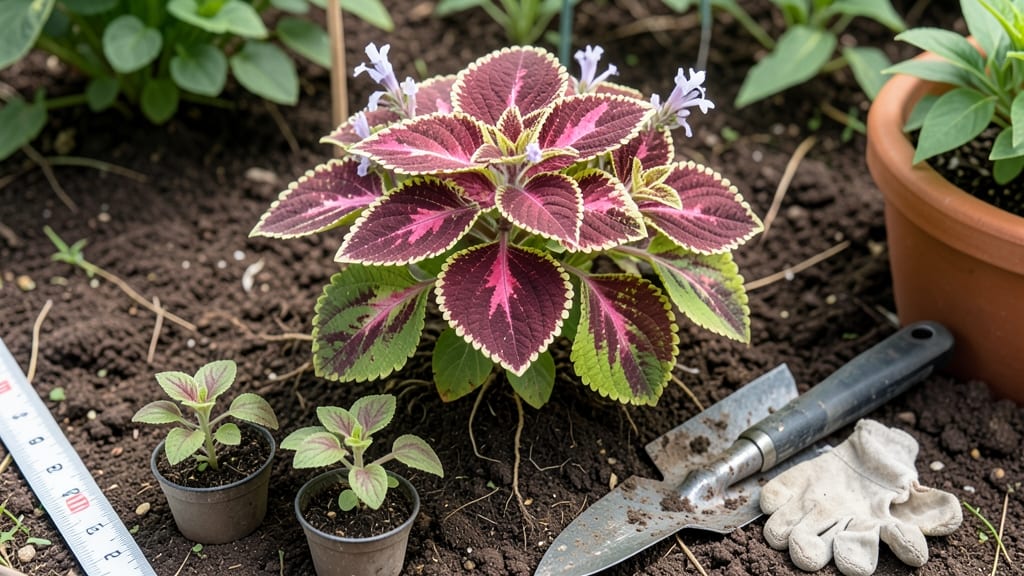
To plant coleus the right way, space them 10–18 inches apart depending on whether you want bushy or trailing varieties — a small tweak that makes the difference between a scraggly plant and a showstopper.
Picture this: you’ve spent weeks nurturing your coleus 🌿, only to watch them stretch thin or develop powdery mildew because they’re too crowded. That’s not just bad luck — it’s a spacing problem. The right distance ensures airflow, prevents disease, and lets each plant flex its colorful foliage.
Coleus thrive in partial shade, but their spacing needs shift based on whether you’re growing them in containers or garden beds. Compact varieties need just 10 inches of room, while trailing types can sprawl up to 18 inches apart.
Get this wrong, and you’ll end up with leggy stems or stunted growth.
In this guide, I’ll break down the exact spacing for your coleus setup, plus how to adjust for sunlight, soil, and even container sizes. By the end, you’ll know exactly how to arrange them for a lush, vibrant display that turns heads.
Optimal coleus spacing by variety: bushy vs. trailing types
If you’ve ever stared at your coleus plants wondering why they’re not thriving, the answer might be as simple as spacing. Coleus varieties grow differently—some stay compact, while others cascade like waterfalls. Spacing rules change based on these growth habits, and getting it wrong can mean sparse foliage or disease-prone crowds.
Let’s break down the science so your coleus thrives.
Not all coleus are created equal. Bushy varieties like 'Black Dragon' or 'Wine n Roses' need room to fill out, while trailing types like 'Rainbow Romance' or 'Feathered Friends' sprawl outward. Container gardening vs. in-ground planting also shifts spacing needs.
Even light conditions play a role—high-light spots push faster growth, while shade slows things down. Let’s start with the basics.
Proper spacing ensures airflow circulation, which prevents fungal diseases like powdery mildew. It also reduces competition for nutrients, helping each plant reach its full mature size. For example, a compact coleus like 'Dynamite' needs less room than a trailing variety like 'Sweet Caroline.' Let’s dive into the specifics with a quick reference guide.
For in-ground planting, follow the spacing guidelines in the table above. If you’re planting coleus in containers, adjust based on pot size.
A trailing variety like 'Rainbow Romance' can share a 12-inch pot with 2-3 plants, while a compact type like 'Dynamite' thrives solo in a 6-inch pot. Always ensure pots have drainage holes to prevent root rot.
Light conditions change the game. High-light spots encourage faster growth, so trailing coleus may need 12-18 inches more space than in shade. Low-light conditions slow growth, allowing you to plant compact varieties closer together—just 6-8 inches apart.
Observe your plants: if they’re stretching toward light, they need more space or less sun.
When planting in garden beds, use a triangular arrangement for fullness. Place the first plant, then stagger the next in a triangle around it. This creates a natural, dense look while improving airflow.
For container gardens, mix trailing and bushy varieties—place trailing types on the edges and bushy ones in the center for a balanced, cascading effect.
Don’t forget to prune regularly to maintain shape and encourage bushier growth. Pinch back the tips of new growth in early spring to promote branching.
If your coleus starts looking leggy, it’s a sign it needs more light or closer spacing. Yellowing leaves often mean overcrowding—thin out plants if you notice this issue.
For mixed borders, pair coleus with plants of similar height needs. Sweet potatoes or impatiens work well—they tolerate shade and won’t outcompete your coleus. Avoid planting near aggressive spreaders like mint or creeping jenny, which can overtake your coleus’s space.
Always mulch around the base to retain moisture and suppress weeds.
Remember, coleus spacing is about balance. Too close, and you’ll battle disease and weak growth. Too far apart, and your garden will look sparse. Use the table as your guide, adjust for your conditions, and watch your coleus transform into a vibrant, lush display that’s the envy of the neighborhood.
Happy planting! 🌿
5 Common spacing mistakes that stunt coleus growth
Even with the right coleus variety and well-draining soil, poor spacing can turn your vibrant plants into leggy, disease-prone shadows. I’ve seen yellowing leaves and powdery mildew strike otherwise healthy coleus simply because they were crowded too tightly.
The issue? Overcrowding creates a perfect storm: stagnant air traps moisture, inviting fungal pests while blocking sunlight penetration to inner leaves.
One of my biggest mistakes was planting bushy coleus just 6 inches apart—ideal for trailing types, but these varieties need 12-18 inches to breathe. The result? Leggy stems reaching for light and stunted foliage that paled compared to properly spaced neighbors.
Don’t make the same error: spacing isn’t just about looks; it’s about plant health.
⚠️ CALLOUT-WARNING ⚠️
Bushy varieties: 12-18 inches apart (prevents powdery mildew) Trailing varieties: 6-12 inches apart (allows vining room) Containers: 1 plant per 6-8" pot (avoids root competition)
Pro Tip: Space 20% wider in full sun—heat increases growth speed and competition.
Watch for these overcrowding red flags in your coleus:
- Yellowing leaves (nutrient competition)
- Powdery white residue (fungal spores from poor airflow)
- Stems stretching upward (light deprivation)
- Pests like aphids clustering on undersides
If your coleus is already overplanted, don’t panic! Start by removing 30-50% of plants to open gaps. For container coleus, divide roots gently and repot stragglers. In garden beds, prune back crowded stems by ⅓ to encourage bushier regrowth. Remember: airflow is your best defense against disease.
For trailing coleus, another mistake is spacing them like bushy types. Their vining habit needs 6-12 inches to sprawl without smothering neighbors. I learned this the hard way when my ‘Wizard’ coleus cascaded over a sweet potato vine, creating a tangled mess.
Now I dedicate hanging baskets solely to trailing varieties for controlled growth.
Finally, container spacing often gets overlooked. One plant per 6-8" pot is ideal, but I’ve seen gardeners cram three coleus into a 12" pot. The result? Root-bound stress and stunted growth. Always match pot size to mature plant width, and use well-draining mix to prevent soggy roots.