
Planting
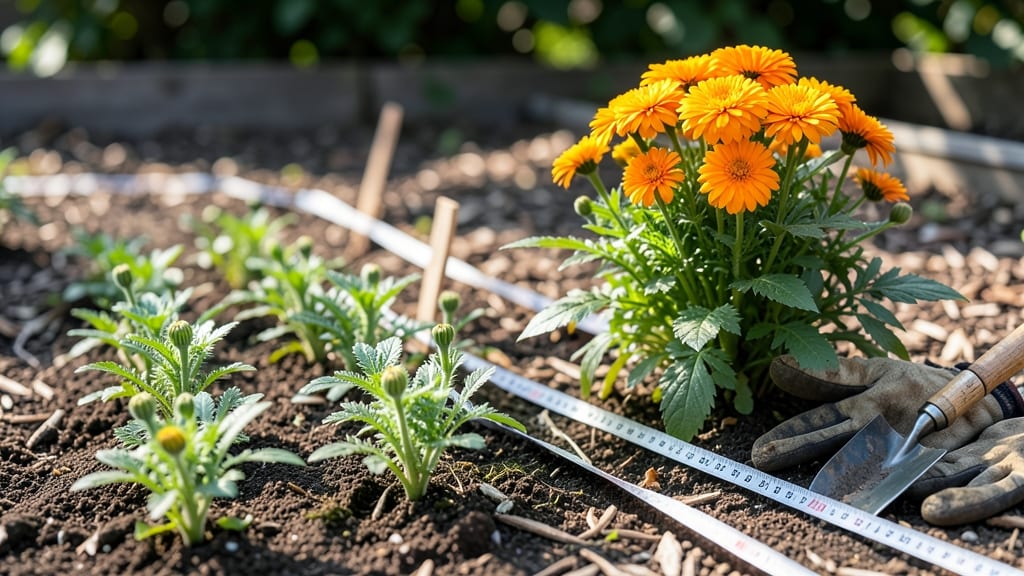
To plant calendula with the right spacing, aim for 12 to 18 inches apart between plants—this ensures they get enough air circulation and sunlight to thrive.
Struggling to get your calendula blooms to thrive? Proper spacing isn’t just about aesthetics—it’s the secret to preventing disease, maximizing sunlight exposure, and creating those lush, vibrant beds you dream of.
Calendula 🌼 grows best when given room to breathe, especially in USDA Zone 6 climates where humidity can be a factor. Too close, and you’ll end up with weak stems and fungal issues; too far apart, and you’ll miss out on that continuous bloom cycle from July through October.
Below, I’ll walk you through the exact spacing for seeds versus transplants, how to adjust for different varieties, and the simple fixes for when things go wrong mid-season.
Ideal calendula spacing by planting method: seeds vs transplants
When planting calendula, getting the spacing right makes all the difference between a crowded, disease-prone mess and a vibrant, high-yielding flower bed. The method you choose—direct seeding or transplanting—directly impacts how much room each plant needs to thrive.
Let’s break down the exact distances for both approaches to ensure your calendula blooms reach their full potential.
Direct-seeded calendula requires more space because seedlings need room to establish strong roots before competing with neighbors. In contrast, transplants already have a head start, allowing you to plant them slightly closer together.
Understanding these differences helps you optimize your garden layout for maximum airflow and sunlight penetration, two critical factors for healthy calendula growth.
For direct-seeded calendula, aim for 12–18 inches between plants and 18–24 inches between rows. This spacing ensures each plant gets enough nutrients, water, and sunlight to develop strong stems and abundant blooms.
If you’re planting in full sun (which calendula loves), wider spacing also prevents shading issues that can reduce flower production.
When transplanting calendula seedlings, you can reduce the spacing to 10–12 inches apart because they’ve already developed a root system. However, don’t skimp on row spacing—keep it at 16–20 inches to maintain airflow and minimize the risk of powdery mildew, a common issue in crowded beds.
Transplants also benefit from being planted slightly deeper than their original container to encourage stronger root growth.
If you’re growing calendula in containers or raised beds, adjust spacing to 8–10 inches apart to make the most of limited space. Just be prepared to thin out weaker seedlings early on to avoid competition.
In high-humidity climates, increase spacing by 2–3 inches to improve airflow and reduce fungal diseases like black spot.
Proper spacing also affects harvesting efficiency. Calendula with too little room will produce smaller, fewer blooms, while over-spaced plants may struggle to fill in gaps. Aim for a balance that allows you to easily reach all plants for harvesting without disturbing the bed.
A well-spaced calendula bed will continue producing bright, cheerful flowers from early summer through fall.
One of my favorite tricks is to interplant calendula with low-growing herbs like thyme or oregano in the spaces between rows. This not only maximizes your garden’s potential but also creates a natural pest-deterrent system.
Just avoid planting calendula too close to tomatoes or peppers, as they compete for the same nutrients and can stunt each other’s growth.
Remember, calendula is a self-seeding annual, meaning it will often reseed itself if you allow it. If you notice volunteer seedlings popping up the following year, thin them to the same spacing guidelines to maintain a healthy, productive bed.
With the right spacing, your calendula will thrive, reward you with continuous blooms, and even attract beneficial pollinators to your garden.
Start with these spacing rules, and don’t be afraid to experiment in small sections of your garden. Adjust based on your local climate and soil conditions, and soon you’ll have the perfect calendula spacing system tailored just for you. Happy planting! 🌼
How to adjust spacing for different calendula varieties and growing conditions
Calendula isn't a one-size-fits-all plant when it comes to spacing. Dwarf varieties like 'Tom Thumb' need just 6-8 inches apart, while giant types such as 'Giant Orange' require 18-24 inches to thrive. These differences directly impact airflow, sunlight access, and disease prevention—critical factors for vibrant blooms all season.
Your local climate plays a surprising role too. In high-humidity zones, increase spacing by 25-30% to prevent fungal issues like powdery mildew. Meanwhile, container gardens demand even tighter spacing—4-6 inches apart—since roots compete fiercely for limited space in pots.
Calendula Spacing Guide: Pros & Cons
✔ Perfect for container gardens and edging
✔ Faster regrowth after harvesting
✔ Easier maintenance in small spaces
✖ Limited airflow increases fungal risk
✖ Smaller blooms compared to standard types
✔ Optimal airflow prevents disease
✔ Larger, showier blooms
✔ Best for cut flowers and arrangements
✖ Requires more space in garden beds
✖ Slower recovery after harvesting
✔ Bold statement plants for borders
✔ Longer vase life for cut flowers
✖ Not suitable for containers
✖ Needs ample space for root spread
🌧️ Humid climates: Increase spacing by 25-30%
☀️ Full sun: Standard spacing works best
🌳 Partial shade: Reduce spacing to 6-10"
For partial shade conditions, reduce spacing to 6-10 inches since plants grow more slowly. This creates a denser foliage effect while still allowing enough airflow.
In full sun locations, stick to the standard guidelines—12-18 inches—to ensure each plant gets its fair share of sunlight without shading neighbors.
If you notice your calendula plants leaning toward each other, they're too close. Thin them immediately to at least 10 inches apart and watch for new growth.
Conversely, if plants look isolated with bare soil between them, they're too far apart. Add a few extra plants to fill gaps while maintaining proper airflow.
Container gardening requires special attention. Use 4-6 inch spacing in 5-gallon pots or larger, but avoid overcrowding more than 9 plants per container. This balance prevents root competition while still allowing enough space for vibrant blooms to develop.
Remember, proper spacing isn't just about aesthetics—it's about creating an environment where your calendula can thrive without competition. With these adjustments, you'll enjoy healthier plants, fewer diseases, and more abundant blooms all season long. 🌼