
Planting
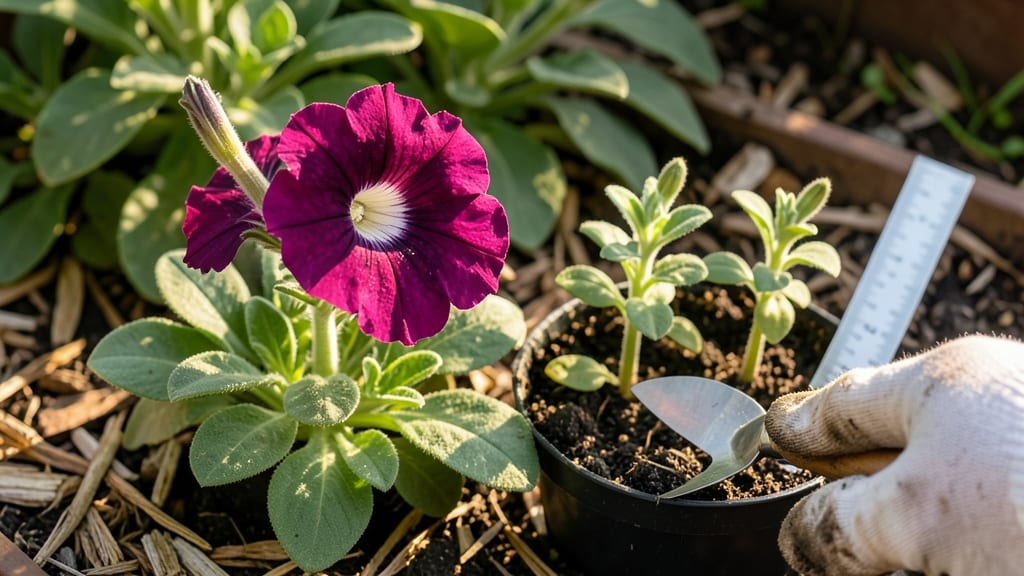
How far apart should petunias be planted? The answer is 12-18 inches between plants to let them sprawl into those showstopping cascades you dream about. 🌸 I learned the hard way—crowding them too close means fewer blooms and more mildew, while giving them space turns a good bed into a lush, overflowing masterpiece. The right spacing isn’t just about numbers; it’s about sunlight, soil, and even the petunia variety you’re growing.
For in-ground planting, stick to 12-14 inches apart for trailing varieties like 'Wave' or 'Supertunia'—they’ll spill over edges beautifully. Upright types like 'Grandiflora' can handle 16-18 inches since they grow taller.
In containers, pack them closer (8-12 inches) but use larger pots (at least 12 inches wide) to prevent root competition. The key? Loose, well-draining soil so roots spread instead of competing.
You’ll end up with blooms so dense they look like a waterfall, and the plants stay healthier longer. Just avoid planting near tall perennials that steal sunlight—they’ll leave your petunias leggy and sparse.
Pair them with salvias, lantanas, or ornamental grasses instead for a balanced, thriving display that lasts all summer.
Pro tip: If your bed looks crowded after planting, wait 2-3 weeks before filling gaps with annuals like calibrachoas—they’ll blend in seamlessly once the petunias fill out. And if you’re in a hot climate? Space them 18 inches apart to prevent wilting during peak heat.
📚 In This Guide
- What you need
- Instructions
- Tips and common mistakes
- Wrapping up and next steps
What you need
- ● Petunia seedlings or seeds: Choose disease-resistant varieties if possible. For spacing guidelines, we’re assuming standard petunia plants (12–18 inches tall at maturity).
- ● Garden soil or potting mix: Well-draining, nutrient-rich soil (e.g., a mix of compost, peat moss, and perlite). Aim for at least 10–12 inches of depth for proper root growth.
- ● Gloves: A pair of gardening gloves to protect your hands from soil and thorns (some petunia varieties have mild prickles!).
- ● Trowel or hand shovel: A sturdy trowel for digging small holes (6–8 inches deep).
- ● Watering can or hose with a gentle spray nozzle: For hydrating plants without disturbing the soil.
- ● Measuring tape or ruler: To ensure precise spacing (12–18 inches apart for standard petunias, 8–12 inches for dwarf varieties).
- ○ Stakes or plant markers (optional but helpful): Small wooden stakes or labeled markers to track spacing, especially in large beds.
- ● Mulch: Organic mulch (like shredded bark or straw) to retain moisture and suppress weeds. Apply a 2–3 inch layer after planting.
- ● Slow-release fertilizer: A balanced, time-released fertilizer (10-10-10 or 20-20-20) to give your petunias a nutrient boost.
- ● Plant food or liquid fertilizer: For a mid-season growth spurt (follow package instructions!).
- ● Knee pads or a small stool: Because gardening is easier on the knees! 😉
- ● Pruning shears: For trimming leggy stems later in the season.
Instructions for planting petunias with perfect spacing
Here's how to space petunias for maximum blooms and easy maintenance—no more crowded, leggy plants.
🌱 Step 1: Understand Petunia Growth Habits
Petunias spread naturally, so spacing depends on whether you're growing trailing (spreading) or bush (upright) varieties. Trailing types like 'Supertunia' need 10-12 inches apart to spill beautifully over edges, while bush types like 'Wave' thrive at 8-10 inches apart. Check your plant tags—this is your first clue.
I always group like varieties together in the garden. Mixing trailing and bush types too closely creates a messy, overcrowded look. Instead, dedicate one bed area to cascading types and another to compact varieties. This ensures each plant has room to express its natural shape without competing for sunlight.
☀️ Step 2: Choose the Right Location First
Petunias need 6-8 hours of direct sun daily for continuous blooms, but spacing changes slightly based on light exposure. In full sun, maintain the recommended 8-12 inches apart—the extra space helps air circulate, preventing fungal diseases like powdery mildew. In partial shade, reduce spacing to 6-8 inches apart since plants grow more compactly.
Before planting, walk your garden bed and visualize how the petunias will fill in. I like to sketch a quick layout with chalk or stakes to mark planting spots. This prevents the "too close, too late" syndrome where you realize after a month that stems are touching and blooms are stunted.
🪴 Step 3: Dig Holes and Plant at Correct Depth
Dig holes twice as wide as the root ball but only as deep as the container's bottom. Petunias hate being buried too deep—this causes stem rot and weak growth. Gently remove the plant from its container and loosen the roots if they're circling tightly. This encourages outward growth instead of struggling upward.
Place the plant in the hole so the top of the root ball sits level with the surrounding soil. Press lightly around the edges to eliminate air pockets but don't compact the soil—petunias need loose, well-draining roots. Water immediately after planting to settle the soil and remove any air gaps.
🌿 Step 4: Space for Future Fullness
Here's the secret most gardeners miss: petunias double in size after planting. That 8-inch spacing for bush types becomes 16 inches of foliage by peak season. To avoid the "wall of leaves, no blooms" look, I always add 2 extra inches to the recommended spacing when planting.
For example, plant bush petunias 10 inches apart instead of 8. This might seem excessive now, but by summer, you'll have lush, airy plants with room for deadheading spent blooms. Overcrowded petunias produce fewer flowers because they're competing for nutrients and light rather than blooming.
✂️ Step 5: Maintain Spacing Through the Season
Once planted, resist the urge to add more petunias later. Filling gaps with new plants disrupts the established root system and creates weak, leggy growth. Instead, prune back leggy stems to encourage bushier growth—this often opens up space naturally.
Watch for yellowing leaves at the base, a sign of overcrowding or disease. If you see this, gently remove the offending plant and replace it with a low-growing ground cover like sweet potato vine. This preserves your bed's design while keeping petunias healthy. Proper spacing now means fewer headaches later.
Tips & tricks for perfect petunia spacing
Took me years of trial-and-error to perfect these spacing secrets—your petunias will thank you with nonstop blooms.
Variety-Specific Spacing: The 8-10 inch spacing for bush types and 10-12 inch spacing for trailing varieties in Step 1 is non-negotiable, but here's the pro move: measure from the plant's outer edge, not the center. I use a tape measure wrapped around the root ball to get the exact diameter, then add 1-2 inches to that measurement for each plant. This accounts for the plant's mature width before it even leaves the nursery.
Sunlight Adjustment: That 6-8 hour sun requirement in Step 2 is critical, but the spacing tweaks based on light exposure are where most gardeners stumble. In full sun, I actually increase spacing to 12-14 inches for trailing varieties—the extra room prevents leaf scorch from intense afternoon rays. In partial shade, you can get away with 6 inches for bush types, but never less than that or you'll trigger the "leggy plant" curse.
Root Ball Inspection: Step 3's advice about root ball depth is gold, but here's what nobody tells you: if you see roots circling tightly around the container, make two vertical cuts through the root ball with a clean knife before planting. This forces outward growth instead of upward, which means more blooms and less legginess. I do this with every petunia purchase—it's a 30-second investment that pays off all season.
Future-Proofing: The 2 extra inches of spacing in Step 4 might seem excessive now, but trust me—by July, your 8-inch spacing will look like a crowded hostel dorm room. I've seen petunias spread 3 feet wide by midsummer when planted too closely. The key is to visualize the plant's mature size (check the tag!) and add 25% more space than you think you need. Your future self will high-five you when you're deadheading blooms instead of pruning for space.
Pro Tips for How Far Apart Should Petunias Be Planted
- Took me years of trial-and-error to perfect these spacing secrets—your petunias will thank you with nonstop blooms.
- Variety-Specific Spacing: The 8-10 inch spacing for bush types and 10-12 inch spacing for trailing varieties in Step 1 is non-negotiable, but here's the pro move: measure from the plant's outer edge, not the center.
- Sunlight Adjustment: That 6-8 hour sun requirement in Step 2 is critical, but the spacing tweaks based on light exposure are where most gardeners stumble.
Frequently asked questions
about petunia spacing—because every gardener deserves a little extra clarity!How close can I plant petunias if I’m using them as edging or borders?
For edging or borders, reduce spacing to 6–8 inches apart. This creates a dense, lush look while still allowing airflow to prevent disease. Just avoid overcrowding—petunias need room to sprawl, even in tight spaces!
Can I plant petunias too close together and fix it later?
It’s possible to thin them later, but it’s messy! If you’ve already planted them too close (under 12 inches), gently dig up some plants and replant them elsewhere. Pro tip: Water deeply after transplanting to reduce shock.
What if my petunias are already crowded? Will they survive?
Crowded petunias may stunt growth, attract pests, or develop fungal issues. If they’re struggling, prune back leggy stems and space them out. For severe cases, consider dividing and replanting. Prevention is key!
Does spacing change if I’m growing petunias in containers?
Yes! In containers, space petunias 8–10 inches apart (closer for trailing varieties). Use 1–2 plants per 6-inch pot or 3–4 per 12-inch container. Ensure pots have drainage—petunias hate soggy roots!
Can I mix petunias with other flowers? What’s the ideal spacing?
Pair them with salvias (12–18 inches apart) or marigolds (10–12 inches apart). For a pollinator-friendly bed, leave 18+ inches between petunias and taller plants like sunflowers to avoid shading. Pro tip: Group similar-height plants together for a polished look!
Wrapping up and next steps
Planting petunias with the right spacing—12 to 18 inches apart—sets the stage for a vibrant, low-maintenance garden that bursts with color all season long. 🌸 Whether you’re tucking them into containers, borders, or sprawling beds, proper spacing ensures airflow, reduces pests, and maximizes their stunning blooms.
Now that you’ve got the spacing secrets, grab your gloves and get ready to transform your outdoor space into a petunia paradise!
Next step: Mark your planting spots, prep the soil, and dive in—your future floral masterpiece is waiting! 🌱