
Planting
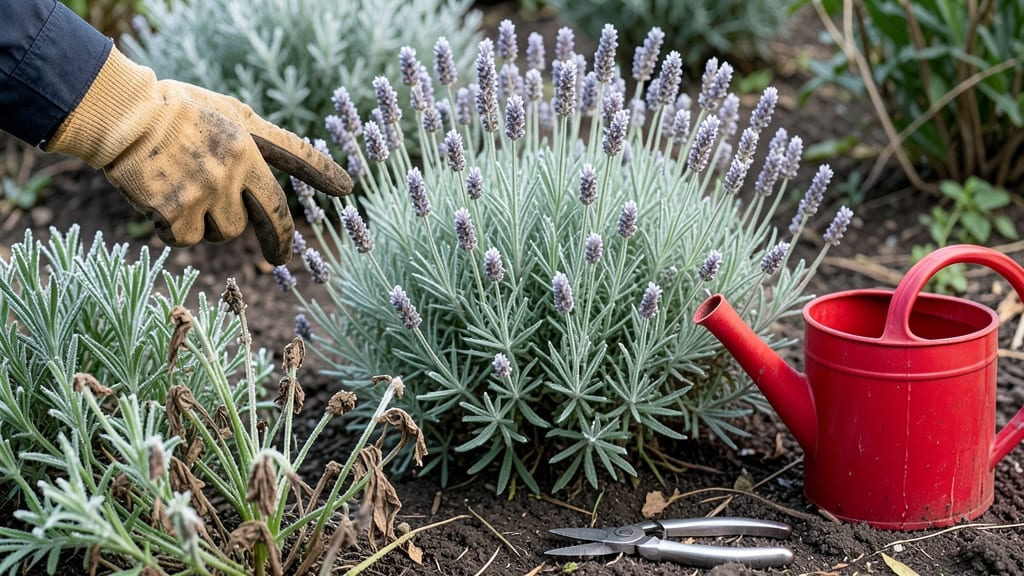
How do I know if my lavender plant is dead? It might still be alive when it looks hopeless. 🌿 Before tossing it, check for these 5 signs that reveal whether it's truly gone or just struggling—because lavender's hardy roots often surprise us. Start with the stems: snap a small branch. If it bends like dry kindling, it's dead. But if it's even slightly green inside, there's hope. Next, dig into the roots—healthy ones are white or pale brown, while mushy or black roots mean it's beyond saving. Don't forget to look for new growth at the base, which is your best sign of life. Even if it's dead, you can still salvage the spot. Prune back what's left, amend the soil with compost, and replant new lavender. The key is acting fast—lavender's slow to recover, but it's tougher than it looks. Let's figure out what's really going on with your plant.
Most "dead" lavender plants actually just need a reset. Overwatering, poor drainage, or winter cold often cause the symptoms we mistake for death. Lavender thrives on neglect—it's the drought and heat that keep it happy. If your soil stays soggy or you've been watering weekly, that's likely the culprit.
The good news? Even if your current plant is gone, lavender spreads easily from cuttings. Take healthy stems from a neighbor's plant or buy new ones—you'll have fresh growth in 4-6 weeks. Just remember: lavender hates wet feet, so raise the bed or improve drainage before replanting.
Here's the bottom line: if there's any green left, prune back the dead parts and give it time. If it's completely brown and brittle with no roots, it's time to start fresh.
Either way, lavender's worth the effort—its fragrance and drought tolerance make it a low-maintenance superstar once you get it right. Don't let one bad season discourage you. Even experienced gardeners lose lavender plants sometimes. The secret is learning from each mistake and adjusting your care.
Let's turn that dead-looking plant into a lesson for next year's thriving garden.
Root Causes Behind Lavender Loss
Lavender plants, with their silvery foliage and fragrant blooms, are hardy but not indestructible. When they appear lifeless, it’s usually due to a mix of environmental stress, improper care, or underlying health issues.
Understanding why your lavender might be struggling is the first step to reviving it—or knowing when to say goodbye. Let’s break down the science behind the most common culprits.
Lavender is a drought-tolerant Mediterranean native, meaning it thrives in dry conditions. When roots sit in soggy soil for too long, they suffocate from a lack of oxygen—a condition called root rot. Here’s how it happens:
- Poor drainage: Lavender hates "wet feet." If planted in heavy clay soil or a pot without drainage holes, water pools around the roots, inviting fungal infections like Phytophthora or Pythium.
- Overzealous watering: Even well-draining soil can become waterlogged if you irrigate on a schedule rather than checking moisture levels. Stick your finger 2 inches into the soil—if it’s damp, wait.
- Cold, wet winters: Lavender in USDA Zones 5-7 may struggle if winter rains keep soil perpetually soggy. Mulch lightly (if at all) to prevent moisture buildup.
💡 Pro Tip: If you suspect overwatering, stop watering immediately and let the soil dry out completely. Repot in fresh, gritty soil (mix in perlite or sand) if roots are mushy or black.
While lavender dislikes soggy roots, it also doesn’t need constant hydration. Chronic underwatering leads to:
- Desiccation stress: Lavender stores water in its woody stems, but if soil dries out completely, the plant taps into these reserves until they’re depleted. Leaves turn crispy and brown at the edges.
- Nutrient depletion: Dry soil washes away minerals faster, starving the plant of essential nutrients like nitrogen and potassium.
- Root shrinkage: Roots recede from the soil surface, reducing the plant’s ability to absorb water—creating a vicious cycle.
🔥 Action Step: Water deeply but infrequently. Aim for 1 inch of water per week (including rainfall) and ensure the soil profile is uniformly moist, not just the top layer.
Lavender’s woody stems and aromatic oils usually deter pests, but stress (from over/underwatering) weakens its defenses. Common offenders include:
| Pest/Disease | How It Attacks | Signs of Trouble |
|---|---|---|
| Lavender Root Borer (larvae) | Larvae burrow into stems/roots, disrupting water/nutrient flow. | Wilting, sawdust-like frass (insect droppings), hollow stems. |
| Powdery Mildew (fungus) | Thrives in humid, shaded conditions, coating leaves in a white film. | Gray-white powder on foliage, stunted growth. |
| Aphids/Spider Mites | Sap-sucking pests cluster on new growth, injecting toxins. | Yellowing leaves, sticky residue (honeydew), webbing. |
🌡️ Prevention: Space plants for airflow, prune crowded growth, and spray with neem oil at the first sign of infestation. Never use broad-spectrum fungicides—they harm beneficial microbes in lavender’s soil.
Lavender’s ideal conditions are full sun (6+ hours/day), well-draining soil, and moderate temperatures (60–80°F). Stray from this, and stress sets in:
- Extreme heat: Temperatures above 90°F cause leaves to bleach or scorch. Lavender may drop buds or go dormant prematurely.
- Frost damage: Young lavender (<1 year old) or tender varieties (like Lavandula stoechas) can die back if temps drop below 15°F. Older plants may survive but suffer stunted growth.
- Windburn: Coastal or exposed lavender loses moisture faster. Leaves may turn brown and papery.
- Poor soil pH: Lavender prefers neutral to slightly alkaline soil (pH 6.5–7.5). Acidic soil (pH <6) locks out nutrients like calcium and magnesium.
🎯 Solution: Move potted lavender to a sheltered spot in winter, mulch with gravel (not organic matter), and test soil pH annually. Amend with crushed limestone if needed.
Lavender is a perennial, but like all plants, it has a lifespan—typically 5–10 years. Signs of aging include:
- Wooden, brittle stems that snap easily.
- Sparse foliage with long gaps between leaves.
- Fewer (or no) flowers despite proper care.
- Root-bound pots where roots circle the container.
✨ Renewal Tip: If your lavender is past its prime, propagate from cuttings or replace it. Lavender doesn’t transplant well as mature plants, so prevention (regular pruning and division) is key.
Revive Your Lavender: Step-by-Step Fixes
If your lavender plant is showing signs of distress, don’t rush to toss it out just yet! With the right care, you can often bring it back to life. Below are practical solutions tailored to common issues, along with prevention tips to keep your lavender thriving long-term.
---
Signs: Yellowing leaves, mushy stems, or a foul smell from the soil.
How to Fix It: 1. 🔥 Stop Watering Immediately - Lavender is drought-tolerant and hates soggy roots. Let the soil dry out completely before watering again.
2. 🍳 Improve Drainage - If your pot lacks drainage holes, repot it into a container with holes or add a layer of gravel/perlite at the bottom. - For in-ground lavender, amend the soil with sand or grit to prevent compaction.
3. 👨🍳 Trim Damaged Foliage - Snip off yellow or mushy stems with sterilized scissors to redirect energy to healthy growth.
4. ⏰ Gradual Reintroduction to Water - Wait 1-2 weeks before watering lightly, then monitor soil moisture with your finger (water only when the top 2 inches are dry).
💡 Prevention Tip: - Use a well-draining potting mix (like cactus/succulent blend) and terracotta pots to wick away excess moisture.
---
Signs: Crispy, brown edges on leaves, wilting despite dry soil, or a "thirsty" appearance.
How to Fix It: 1. 🌡️ Check Soil Moisture - Stick your finger 2 inches deep—if dry, it’s time to water. If damp, wait longer.
2. 🥗 Deep Watering Technique - Water slowly and thoroughly until it drains from the bottom. Avoid shallow sprinkles, which encourage shallow roots.
3. 🎯 Mulch Strategically - Apply a 1-inch layer of gravel (not organic mulch) around the base to retain moisture without suffocating roots.
4. ✨ Adjust Watering Schedule - Lavender needs less water in summer (every 10–14 days) and slightly more in spring/fall (every 7–10 days).
💡 Prevention Tip: - Group lavender with other drought-loving plants (like rosemary or thyme) to create a microclimate with similar needs.
---
Signs: Black, mushy roots, stunted growth, or the plant toppling over easily.
How to Fix It: 1. 🔪 Remove the Plant Gently - Tip the pot and loosen the root ball. Rinse off soil to inspect roots.
2. 🧼 Prune Rotten Roots - Use sterilized shears to cut away black, slimy roots. Keep only firm, white/beige roots.
3. 🌿 Repot in Fresh Soil - Place the plant in a clean pot with fresh, gritty potting mix. Avoid compost-heavy soil.
4. 🌡️ Reduce Humidity & Increase Airflow - Move to a sunnier, drier spot (like a windowsill or raised bed) and space plants apart to improve airflow.
💡 Prevention Tip: - Never let lavender sit in saucers of water—empty saucers immediately after watering.
---
Signs: White/powdery spots (powdery mildew), dark patches (root rot), or gray fuzz (botrytis).
How to Fix It: 1. 🧼 Prune Infected Areas - Cut off affected stems ½ inch below the damage with disinfected tools.
2. 🌿 Apply Fungicide (Optional but Helpful) - Spray with neem oil (1 tsp per quart of water) or baking soda mix (1 tsp baking soda + 1 quart water + drop of soap).
3. 🌡️ Boost Air Circulation - Thin out nearby plants and avoid overhead watering (water at the base instead).
4. ✨ Prevent Future Outbreaks - Space plants 12–18 inches apart and water early in the day so foliage dries quickly.
💡 Prevention Tip: - Avoid wet foliage—water only at the soil level, not the leaves.
---
Signs: Brown, crispy leaves after cold snaps, but green shoots emerging from the base.
How to Fix It: 1. 🌱 Trim Dead Growth - Cut back brown stems to healthy green growth (or just above the base if no green remains).
2. 🌡️ Shield from Cold - Move potted lavender to a sheltered spot (like a garage or against a south-facing wall) for temperatures below 20°F (-7°C).
3. 💪 Feed It Lightly - Once new growth appears, fertilize lightly with a low-nitrogen, high-phosphorus fertilizer (like 5-10-10) to encourage root recovery.
💡 Prevention Tip: - Plant lavender in full sun—it builds cold hardiness over time. Avoid over-fertilizing in fall, which encourages tender new growth.
--- Final Thought: Most lavender "deaths" are preventable with proper drainage, sunlight, and watering habits. If your plant is completely brown and brittle with no green, it’s likely beyond saving—but new cuttings from healthy stems can often root and grow into fresh plants! 🌿
Frequently asked questions
Can my lavender plant still recover if it looks completely dead?
Lavender often surprises gardeners! If the stems are brittle and brown but you see green shoots at the base or white roots when you gently dig, there's hope. Prune back the dead growth and give it time—lavender grows slowly but can rebound from surprising places.
What's the best way to test if my lavender is truly dead?
Do the stem snap test: break a small branch. If it snaps cleanly like dry kindling with no green inside, it's dead. Check for roots too—healthy ones are firm and white, while mushy black roots mean it's gone. Even if it fails both tests, save cuttings from healthy stems to propagate new plants!
Why does my lavender turn brown but stay upright?
This usually means underwatering or cold damage. Lavender stores water in its woody stems, so when soil dries out completely, the leaves crisp up but the structure stays intact. Water deeply (but infrequently) and move to a sunnier spot—new growth should appear within 2-4 weeks if the roots are still alive.
Can I save my lavender if the roots are mushy and black?
Unfortunately, mushy black roots mean root rot has set in, and the plant is likely beyond saving. The good news? You can still propagate new lavender from healthy cuttings. Take 4-inch stems from a neighbor's healthy plant, remove lower leaves, and root them in water or gritty soil—you'll have fresh lavender in 4-6 weeks!
How do I know if my lavender is just dormant or truly dead?
Lavender goes dormant in winter (losing leaves) but should regrow by spring. If it's mid-summer and still brown with no new growth, it's likely dead. Check for green shoots at the base—these are your best indicator of life. Even if it's dormant, avoid watering until spring when new growth appears.