
Planting
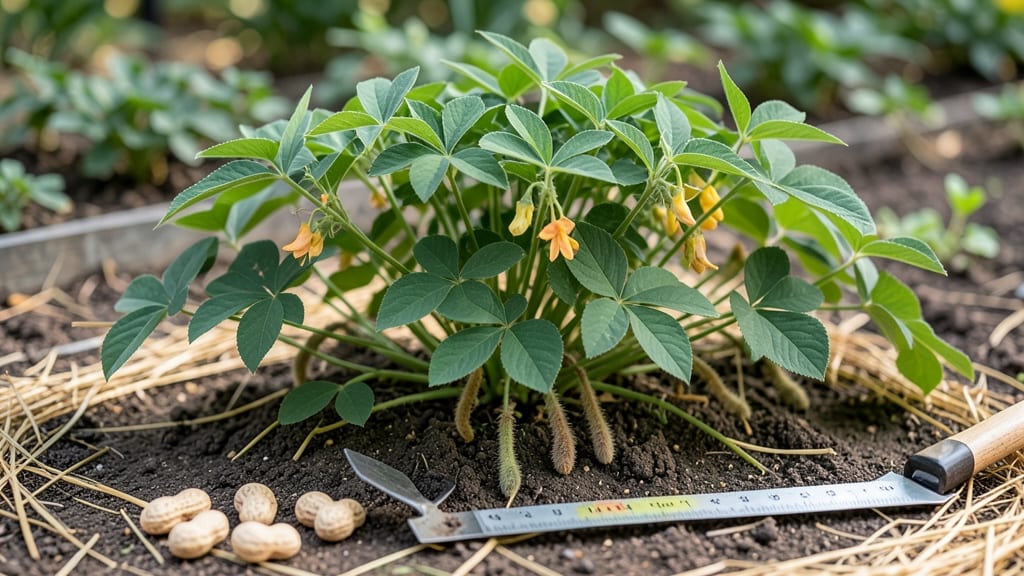
Planting peanuts 2 inches deep is the golden rule for coaxing those hidden pods to grow 🥜 — but depth isn’t the only factor when it comes to a successful harvest.
Peanuts aren’t your typical above-ground crop—they thrive underground, but planting them too deep (or too shallow) can mean the difference between a bountiful harvest and a disappointing one. Mastering the perfect soil depth is the secret to unlocking those sweet, nutritious pods you’ve been dreaming of.
In Zone 6a, where spring planting kicks off in April, soil temperature matters just as much as depth. Too cold, and your seeds won’t germinate; too warm, and they’ll bolt before forming pods.
The right depth keeps roots anchored while allowing vines to sprawl just enough to support those future harvests.
Here’s what you’ll learn: the exact depth for different peanut varieties, how to adjust for sandy or clay soil, and the common mistakes that sabotage yields—plus pro tips to ensure your peanuts grow strong from seed to shell.
The ideal peanut planting depth by variety and climate
Peanuts are unique because they develop their signature pods underground, which means getting the planting depth right is critical. Unlike most vegetables, peanuts need just enough soil coverage to encourage root growth while allowing their vines to sprawl above ground.
The ideal planting depth varies by variety and climate, so let’s break it down to ensure your peanuts thrive.
First, understand that peanuts prefer warm soil temperatures (at least 70°F or 21°C) for germination. If you plant too early in cool soil, seeds may rot instead of sprouting.
Most gardeners in USDA Zones 7-10 can plant in late spring, while those in cooler zones (like Zone 6) should wait until after the last frost when soil warms up.
Here’s the golden rule: Plant peanut seeds 1.5 to 2 inches deep. This depth provides enough soil coverage for roots to anchor while allowing the vines to spread above ground.
However, this general guideline shifts slightly depending on whether you’re growing Virginia, Runner, or Valencia varieties, each with slightly different needs.
For gardeners in cooler climates (USDA Zones 5-6), consider using row covers or black plastic mulch to raise soil temperatures. This helps peanuts germinate faster and reduces the risk of rot.
If your soil is still below 65°F (18°C), wait a few more weeks before planting—patience pays off with healthier plants.
Another key factor is soil type. In sandy soils, which drain quickly, you can plant peanuts slightly shallower (1-1.5 inches) to prevent seeds from drying out. Conversely, in clay soils, which hold moisture longer, planting 2-2.5 inches deep helps protect seeds from waterlogging.
Always loosen the soil to a depth of 6-8 inches before planting to encourage root penetration.
Once planted, keep the soil consistently moist but not waterlogged. Peanuts need about 1-2 inches of water per week, especially during flowering and pod development. Use a drip irrigation system or water at the base of plants in the morning to avoid fungal diseases.
Avoid overhead watering, as wet foliage can attract pests like spider mites.
After about 4-6 weeks, your peanut plants will start flowering, and you’ll see tiny yellow blooms. This is when the magic happens—those flowers will drop down into the soil and form pods.
If you notice poor flowering, it might be due to inconsistent watering or soil that’s too cold. In this case, adjust your watering schedule or use a lightweight row cover to keep the soil warm.
Finally, remember that peanuts need space to sprawl. Space seeds 6-12 inches apart in rows that are 18-24 inches apart to give vines room to grow.
If you’re growing in containers, use large pots (at least 12 inches deep) and plant just 1-2 seeds per container to avoid overcrowding.
With the right planting depth and a little attention to soil warmth and moisture, you’ll be well on your way to a bountiful peanut harvest. Happy gardening!
Common mistakes that kill peanut yields (and how to avoid them)
Peanuts are unique because they develop their edible pods underground, which means getting the planting depth wrong can spell disaster. Too deep, and your pods won’t form properly; too shallow, and your plants will struggle with drought stress or poor root development.
I’ve seen gardeners lose entire peanut crops because of these simple mistakes—and I’m here to help you avoid them.
One of the biggest mistakes is assuming peanuts can be planted at the same depth as other vegetables. Unlike tomatoes or beans, peanuts need a specific depth to encourage their vines to grow long enough to bury the pods.
If you’re new to peanut gardening, this might seem confusing, but once you understand the science behind it, you’ll see why soil preparation and planting depth are non-negotiable.
⚠️ callout warning ⚠️
Peanuts must be planted 1.5 to 2 inches deep in warm, loose soil. Planting deeper than 2.5 inches prevents pod development, while planting shallower than 1 inch risks drought stress and poor root growth. Use a soil thermometer to ensure soil is at least 70°F before planting.
🔹 Too deep: Pods won’t form
🔹 Too shallow: Plants dry out
Another common mistake is skipping soil preparation. Peanuts thrive in well-draining, sandy loam soil with a pH between 6.0 and 6.5. If your soil is heavy or compacted, the roots won’t penetrate deeply enough to produce pods.
Before planting, loosen the top 6 inches of soil and mix in compost or aged manure to improve drainage and fertility. This step is often overlooked, but it’s what separates a mediocre harvest from a bountiful one.
Overwatering after planting is another silent killer. Peanuts need consistent moisture, but waterlogged soil can cause seeds to rot before they even sprout. Once your peanuts are established, water deeply once a week rather than daily shallow watering. This encourages deep root growth, which is essential for pod development.
I’ve seen gardeners drown their peanut plants by keeping the soil soggy, so always check moisture levels with your finger—top inch should be dry before watering again.
Finally, don’t ignore the climate conditions in your area. Peanuts need warm soil to germinate, so if you’re in a cooler climate, consider using a black plastic mulch to raise soil temperatures.
In hotter regions, provide afternoon shade to prevent stress. Paying attention to these details ensures your peanuts grow strong vines that can penetrate the soil and produce those delicious pods you’re after.
By avoiding these common mistakes—correct planting depth, proper soil prep, and smart watering—you’ll set your peanut plants up for success. The key is patience and attention to detail, because peanuts don’t rush their growth. With the right approach, you’ll be harvesting homegrown peanuts in no time! 🥜