
Planting
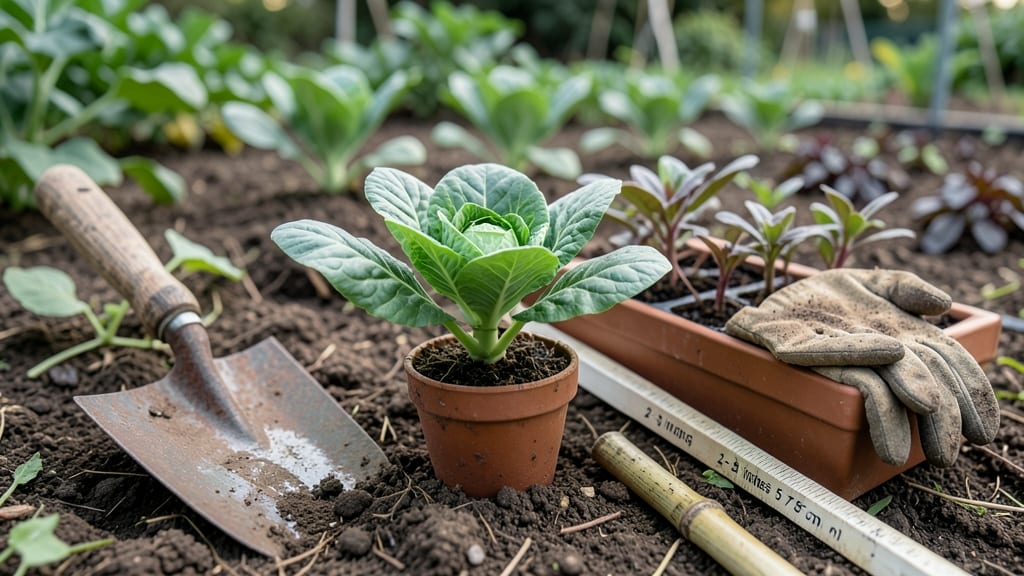
Planting cabbage seeds at the right depth is the key to strong, healthy starts 🥬 — too shallow and they dry out, too deep and they rot before sprouting.
Struggling to get your cabbage seeds to sprout consistently? The depth at which you plant them could be the hidden factor sabotaging your garden’s success—here’s the science-backed answer you need.
Most gardeners know cabbage thrives in cool weather, but even the best soil won’t help if the seeds are planted too close to the surface or buried too deep. A ¼-inch depth for direct sowing and ½-inch depth for transplants strikes the perfect balance, ensuring moisture while preventing rot.
Below, I’ll break down the exact depths for different seed types, how soil conditions affect germination, and the simple adjustments that make all the difference in your spring harvest.
Optimal cabbage seed planting depth by seed type (direct vs transplant)
Getting your cabbage seeds to sprout consistently starts with one critical detail: planting depth. Too shallow, and they’ll dry out before germinating. Too deep, and they’ll struggle to break through the soil. The right depth ensures strong seedlings that grow into healthy, productive plants.
For direct-sown seeds, aim for ¼ inch deep, while transplants need a slightly deeper ½ inch to protect their delicate roots during transfer.
The difference in depth isn’t arbitrary—it’s about balancing moisture retention and access to light. Direct-sown seeds need just enough soil coverage to stay hydrated while still having the energy to push upward. Transplants, on the other hand, benefit from a bit more protection to stabilize their root systems after being moved from trays or pots.
This small adjustment can mean the difference between 90% germination rates and a frustratingly low 50%.
Soil temperature also plays a hidden role in this equation. Cabbage seeds germinate best when soil is between 45°F and 85°F. If your soil is cooler than 50°F, even the perfect planting depth won’t guarantee success.
The deeper you plant in cold soil, the longer it takes for seeds to warm up and sprout. In warmer conditions, shallower planting helps seeds germinate faster by reducing the distance they need to travel. Always check soil temperature with a thermometer before planting.
Here’s the science behind why depth matters: Cabbage seeds contain stored energy (endosperm) that fuels germination. When planted too deep, they may exhaust this energy before reaching the surface. Conversely, planting too shallow risks exposing seeds to drying winds or uneven moisture.
The ¼-inch rule for direct sowing strikes a balance—enough coverage to retain moisture while allowing seedlings to emerge with minimal effort.
If you’re planting in rocky or compacted soil, adjust your depth slightly shallower—even ⅛ inch less can help seedlings break through obstacles. Loosen the soil around seeds with a finger or small tool to create a smooth path for roots.
For container gardening, use a well-draining mix and plant seeds at the ¼-inch depth regardless of transplant status, as containers dry out faster and require shallower planting.
Once seeds are in the ground, keep the soil consistently moist but not soggy. Use a spray bottle or gentle watering can to avoid displacing seeds. After germination, thin seedlings to 18–24 inches apart to give them room to grow.
Proper spacing reduces competition for nutrients and light, leading to stronger, healthier cabbage heads. If you notice seedlings growing too close, snip them at soil level with scissors rather than pulling to avoid disturbing roots.
Depth also affects seedling strength. Deeper planting for transplants encourages a more robust root system, while shallow direct sowing helps seedlings establish quickly. For fall crops, plant slightly deeper (up to ⅜ inch) to protect seeds from late-season heat waves.
Always label your rows or containers to track planting dates and depths—this helps you monitor germination progress and adjust care as needed.
Pro tip: If you’re unsure about soil conditions, conduct a simple test. Dig a small hole, fill it with water, and time how long it takes to drain.
If water lingers for more than 30 minutes, your soil is too dense, and you may need to amend it with compost or sand before planting. Well-draining soil is just as important as the right depth for successful cabbage germination.
Remember, every garden is unique. Factors like microclimates, soil composition, and even seed variety can influence optimal planting depth. Start with the ¼-inch rule for direct sowing and ½-inch rule for transplants, then adjust based on your observations.
With the right depth and care, you’ll be harvesting firm, flavorful cabbages in as little as 60–100 days.
Common mistakes that kill cabbage seedlings (and how to fix them)
Even experienced gardeners sometimes struggle with cabbage seedlings that refuse to thrive. The issue often starts with seemingly small mistakes—like planting too deep or too shallow—that create major problems later.
I’ve seen seedlings rot in compacted soil or fail to emerge because they were buried too deep. Let’s fix these common pitfalls before they ruin your harvest.
The most critical factor is planting depth. Cabbage seeds need just the right amount of soil coverage to germinate properly. Too little, and they dry out; too much, and they suffocate.
This balance is especially tricky in rocky or clay-heavy soils, where moisture and aeration become even more critical. Let’s tackle these issues one by one.
⚠️ Planting Cabbage Seeds Too Deep
The ideal depth for cabbage seeds is ¼ inch (0.6 cm) for direct sowing. Planting deeper than ½ inch (1.3 cm) risks seedling rot or stunted growth. In heavy clay soils, loosen the top 2 inches first to prevent compaction around seeds.
Another silent killer is inconsistent moisture. Cabbage seeds need steady dampness—not soggy soil—to germinate. I’ve lost entire trays of seedlings because they dried out after planting. Always keep the soil evenly moist (not waterlogged) until germination. A spray bottle works best for delicate seeds.
Temperature sensitivity is another trap. Cabbage seeds need soil temps between 45°F and 85°F (7°C–29°C) to sprout. If your soil is too cold, they’ll sit dormant; too hot, and they may rot. Use a seedling heat mat in early spring or wait until nighttime temps stay above 50°F (10°C).
For rocky or clay-heavy soils, amend the planting area with compost or sand to improve drainage. If your soil is compacted, create small mounds to plant on—this prevents water pooling around seeds.
Always test your soil’s drainage by digging a hole, filling it with water, and checking how quickly it drains.
Finally, watch for overcrowding. Thin seedlings to 18–24 inches apart once they have 2–3 true leaves. Crowded plants compete for nutrients and light, leading to weak, leggy growth. Use scissors to snip unwanted seedlings at soil level to avoid disturbing roots.