
Planting
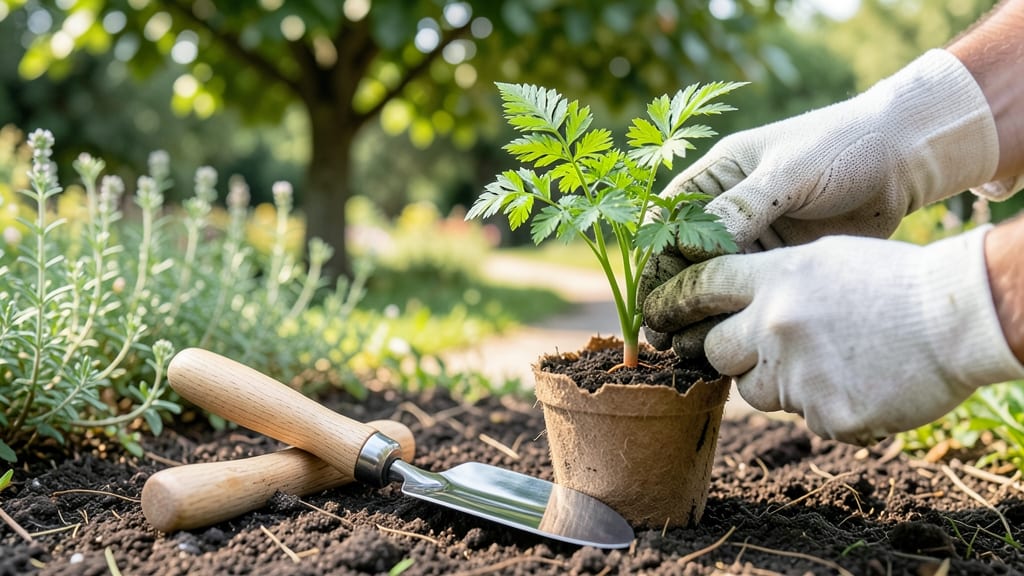
Planting carrot seedlings too deep or too shallow can turn your sweet 🥕 dreams into a game of root roulette — but the right depth is simpler than you think.
Picture this: you’ve spent weeks nurturing those tiny seedlings, only to pull up a harvest of bent, stunted carrots because the soil depth was off by a fraction of an inch.
That’s the frustration of getting it wrong, and it’s all too common for gardeners who don’t know the exact depth rule.
Here’s the secret: most carrot seedlings need to sit just ¼-inch deep in loose, well-drained soil — a whisper above the surface, really. Too deep, and they’ll struggle to break through; too shallow, and they’ll dry out before they even sprout.
In this guide, I’ll walk you through the ideal planting depth, how to prep your soil for straight roots, and the three common mistakes that ruin even the best-laid plans. Let’s get those carrots growing right!
Optimal carrot seedling planting depth by variety and soil type
Getting the planting depth right for carrot seedlings is like finding the sweet spot for a perfect carrot—too shallow and they’ll struggle, too deep and they’ll fight their way to the surface.
Most gardeners aim for ¼ to ½ inch deep, but the exact depth depends on your carrot variety and soil type. For example, short-rooted varieties like 'Paris Market' need shallower planting, while long-rooted types such as 'Danvers' can handle slightly deeper placement.
The key is ensuring seedlings have just enough soil coverage to anchor them without suffocating their delicate roots. Loose, well-draining soil is non-negotiable—compacted soil will stunt growth, no matter how precise your depth. Think of it like tucking a baby carrot into a fluffy nest rather than a tight box.
If your soil is heavy clay, you’ll need to adjust both depth and soil prep to avoid gnarled roots.
Here’s the golden rule: Seedlings should be planted no deeper than their first true leaves. This ensures they have energy to push upward rather than struggling to break through thick soil.
For young seedlings (just sprouted), a ⅛-inch depth works best, while slightly older seedlings (with 2-3 leaves) can handle up to ½ inch. Always plant in the morning to give roots a full day to establish.
| Carrot Variety | Root Length | Ideal Planting Depth | Soil Type Adjustments | Seedling Age |
|---|---|---|---|---|
| Paris Market | Short (2-3 inches) | ⅛–¼ inch | Sandy: ⅛ inch; Clay: ¼ inch | 1-2 leaves |
| Danvers | Medium (6-8 inches) | ¼–½ inch | Sandy: ¼ inch; Clay: ½ inch | 2-3 leaves |
| Nantes | Long (8-12 inches) | ½ inch | Sandy: ⅜ inch; Clay: ½ inch | 3+ leaves |
| Chantenay | Short to Medium (4-6 inches) | ⅛–¼ inch | Sandy: ⅛ inch; Clay: ¼ inch | 1-2 leaves |
For sandy soil, which drains quickly, you can plant slightly shallower (⅛–¼ inch) because moisture won’t linger to suffocate seedlings. In contrast, clay soil holds moisture longer, so you’ll need to plant a bit deeper (¼–½ inch) to prevent rot.
Always loosen the soil to a depth of 12 inches before planting—this mimics the natural aeration carrots crave and reduces the risk of forking.
If you’re transplanting older seedlings, dig a hole just deep enough to bury the seedling’s stem up to its first set of true leaves. Never bury the leaves themselves, as this can cause rot.
For container gardening, use a well-draining mix and plant at ¼-inch depth, then water gently to settle the soil without displacing seedlings. A light misting with a spray bottle works best for delicate young plants.
Pro tip: Use a toothpick or dowel as a depth marker when planting in rows. Stick it into the soil at your target depth (e.g., ¼ inch) and plant seedlings alongside it.
This visual cue helps maintain consistency, especially when planting hundreds of seeds. I’ve found this trick saves time and reduces errors, especially for beginners.
After planting, water lightly but consistently to keep the soil moist but not soggy. Avoid heavy watering, which can wash seeds or seedlings away. Mulch with straw or shredded leaves to retain moisture and regulate soil temperature.
This step is crucial for young seedlings, as it mimics the stable conditions they’d find in a forest understory.
Monitor your seedlings closely in the first 7–10 days—this is when they’re most vulnerable. If you notice seedlings struggling to emerge, gently brush away the top layer of soil with your fingers to check for proper depth.
Over-planting or uneven depth is a common issue, but it’s easily fixed with a little patience. Remember, consistency is key—whether you’re planting in rows or containers.
Once seedlings reach 2–3 inches tall, it’s time to thin them to 2–3 inches apart. This spacing gives roots room to grow straight and prevents competition. Use sharp scissors to snip unwanted seedlings at soil level, leaving the strongest ones.
Thin in stages if needed—don’t pull all at once, as this can disturb the remaining plants.
With
Common mistakes that stunt carrot growth (and how to fix them)
Even the most eager gardeners can accidentally sabotage their carrot crop by making simple planting mistakes. Overcrowding seedlings or planting too shallow forces roots to grow unevenly, while compacted soil creates air pockets that stunt development.
These errors often lead to forked, bitter carrots instead of the sweet, straight roots you want.
Let’s tackle the most common mistakes—like uneven germination and poor soil prep—and how to correct them before it’s too late. Fixing these issues early can mean the difference between a harvest full of gnarled roots and perfectly uniform, store-bought-quality carrots.
Planting carrot seedlings too deep (over ½ inch) or too shallow (less than ¼ inch) forces roots to twist or split. Ideal depth is ¼ inch for sandy soil or ½ inch in loamy soil.
Use a ruler or depth marker to ensure consistency—especially for long varieties like 'Danvers' or 'Nantes'.
One of the biggest culprits is over-planting seeds too closely together. Carrots need room to grow—packing them in leads to competition for nutrients and crowded roots. Start with seeds spaced 2-3 inches apart, then thin seedlings to 3-4 inches apart once they’re 2-3 inches tall.
Use sharp scissors to snip unwanted sprouts at soil level to avoid disturbing roots.
Soil compaction is another silent growth killer. Heavy foot traffic or working wet soil crushes the delicate soil structure, making it hard for roots to push through. Before planting, loosen the top 6-8 inches of soil with a broadfork or tiller. Mix in compost or aged manure to improve aeration and drainage—this helps roots grow straight and strong.
If your carrots are germinating unevenly, it’s often due to inconsistent moisture or temperature fluctuations. Keep the soil consistently moist (not soggy) and cover seeds with a thin layer of mulch to retain humidity.
A row cover or cold frame can also help maintain steady soil temps, especially in cool springs or falls.
For stubborn issues like hard, rocky soil, consider growing short varieties like 'Paris Market' or 'Little Finger' in containers. Fill pots with a loose, seed-starting mix and plant seeds just ¼ inch deep. This method eliminates soil compaction entirely while still yielding sweet, tender roots.
Fixing these mistakes early can save your crop. Start with proper spacing, loose soil, and correct depth, and your carrots will reward you with straight, flavorful roots all season long. Happy growing!