
Planting
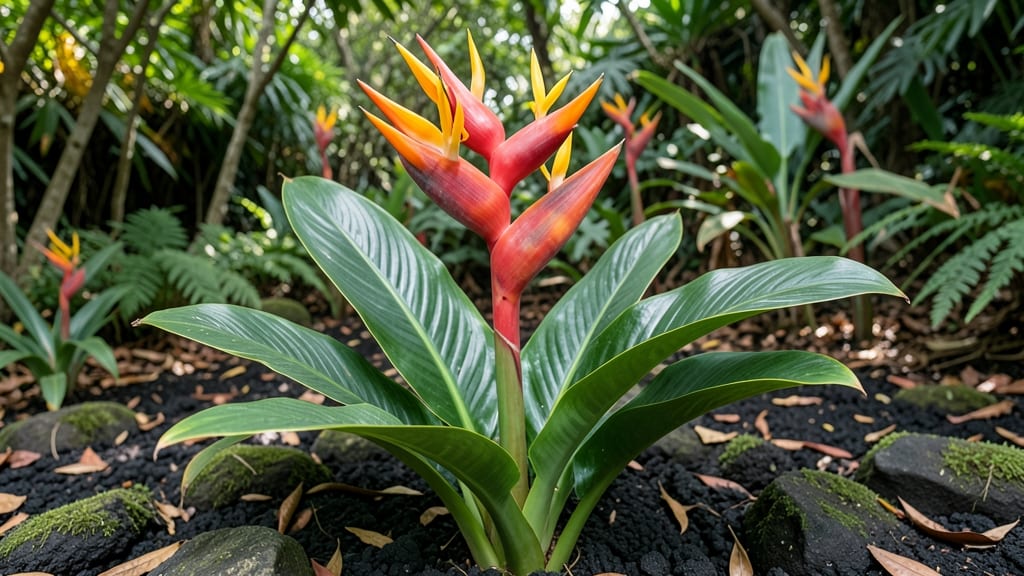
Growing a heliconia lobster claw plant transforms any space into a tropical paradise with its striking, banana-like blooms and bold foliage. ✨ I’ve nurtured these showstoppers for years, and their vibrant colors—ranging from fiery reds to sunny yellows—bring instant drama to gardens, containers, or even indoor spaces with the right care.
The secret to their success lies in mimicking their natural tropical habitat: rich, well-draining soil, bright indirect light, and consistent moisture (but never soggy roots).
Unlike fussy tropicals, heliconias are surprisingly forgiving once you nail these basics—my plants reward me with year-round foliage and seasonal blooms that last for weeks.
You’ll love how they anchor a garden bed, spill over container edges, or even brighten a shady corner with their lush, architectural leaves. With proper pruning after blooms, they’ll keep producing stunning flowers for years—no deadheading required.
Perfect for subtropical climates (zones 9-11) but adaptable indoors with grow lights or in greenhouses elsewhere. Let’s dive into the care routine that keeps them thriving—and stealing the show.
📚 In This Guide
- What you need
- Instructions
- Tips and common mistakes
- Wrapping up and next steps
What you need
- ● Heliconia lobster claw plant: 1 mature plant (or 2-3 pups for faster growth). Choose a healthy specimen with vibrant, undamaged leaves.
- ● Well-draining potting mix: 1 bag (5-10 gallons) of a blend designed for tropical plants or a mix of: 60% peat moss or coconut coir
- ● 30% perlite or pumice
- ● 10% compost or worm castings
- ● Container or garden space: For pots: 1 large container (12"+ diameter) with drainage holes. Terracotta or fabric pots work best.
- ● For gardens: A sheltered, warm spot with partial shade and protection from strong winds.
- ● Slow-release fertilizer: 1 packet (10-10-10 or 8-3-9 ratio) to mix into the soil at planting time.
- ● Garden trowel or shovel (for planting or repotting)
- ● Pruning shears (to trim dead leaves or spent flower stalks)
- ● Watering can or hose with a gentle spray nozzle
- ○ Mulch (optional): 1-2 inches of pine bark or shredded leaves to retain moisture and regulate temperature.
- ○ Support stake (optional): 1-2 bamboo stakes or a small trellis to help heavy flower spikes stand upright.
- ○ Humidity tray or pebble tray (optional): To boost humidity in dry climates.
How to grow a thriving heliconia lobster claw plant
Here’s how to coax those stunning tropical blooms indoors—no greenhouse required.
🪴 Step 1: Choose the Right Container and Soil Mix
Heliconias need room to spread, so pick a 12-15 gallon container with drainage holes—these plants hate soggy roots. I use a mix of 60% peat moss, 20% perlite, and 20% orchid bark for aeration. The bark mimics their native forest floor, preventing compaction while holding moisture without suffocating roots.
Fill the pot to 2 inches below the rim, leaving space for mulch. Tap the container gently to settle the mix, but don’t compact it—you want fluffy soil that mimics their airy tropical habitat. Add a slow-release fertilizer pellet (like Osmocote) at planting to give it a nutrient kick for the first few months.
☀️ Step 2: Position for Maximum Light and Humidity
Lobster claw heliconias demand bright, indirect light—think east or west-facing windows with sheer curtains to diffuse harsh afternoon sun. If your space is north-facing, supplement with a grow light (12-14 hours daily). You’ll know the light is right when the leaves stay deep green without yellowing or browning.
Humidity is critical—these plants thrive at 60-80%. Place the pot on a pebble tray filled with water, or use a humidifier nearby. Mist the leaves daily in dry climates, but avoid wetting the blooms. Watch for curling leaf edges—that’s your sign the air is too dry.
💧 Step 3: Water Deeply and Maintain Consistent Moisture
Water when the top 2 inches of soil feel dry—stick your finger in to check. Drench the pot until water runs freely from the drainage holes, then empty the saucer to prevent root rot. Heliconias drink heavily during active growth (spring/summer) but need less in winter. Underwatering causes drooping leaves, while overwatering leads to blackened stems—both are easy to fix if caught early.
After watering, let the plant drain for 10-15 minutes before placing it back in its saucer. These plants love moisture but hate wet feet. If the soil stays soggy for more than a day, reduce watering and check your pot’s drainage.
✂️ Step 4: Prune and Fertilize for Continuous Blooms
Deadhead spent blooms right at the base to encourage new growth. Use sterilized pruners to avoid spreading disease, and wipe the blades with rubbing alcohol between cuts. Fertilize monthly with a balanced liquid fertilizer (20-20-20) during spring and summer, cutting back to every 6-8 weeks in fall/winter. You’ll see healthier foliage and more frequent blooms within 3-4 months of consistent feeding.
Divide mature plants every 2-3 years when they outgrow their pot. Gently tease apart the rhizomes, ensuring each section has at least 2-3 growth points. Repot in fresh mix—this rejuvenates the plant and gives you free propagation material.
🌿 Step 5: Overwinter Care for Year-Round Growth
In winter, reduce watering to every 7-10 days and keep temperatures above 55°F. If your home dries out, run a small humidifier nearby or group plants together to create a microclimate. Watch for yellowing lower leaves—this is normal as the plant conserves energy, but blackened leaves mean too much moisture.
Boost light with a grow bulb if natural light drops below 6 hours daily. A 1-2 inch layer of orchid bark mulch on top of the soil helps retain moisture and mimics their forest floor habitat. With proper winter care, your heliconia will rebound in spring with bold new growth and dramatic blooms.
Tips & tricks for perfect heliconia lobster claw plant care
Here's what nobody tells you about keeping these tropical beauties thriving indoors.
Container Selection: While the instructions specify a 12-15 gallon container, I've found that wider, shallower pots work even better for heliconias. Their rhizomes spread horizontally, so prioritize width over depth. If using a decorative pot without drainage, place it in a cache pot with pebbles and water to maintain moisture without soggy roots. The 2-inch gap below the rim is perfect for adding that orchid bark mulch layer—this helps retain moisture while preventing compaction.
Light Optimization: The 12-14 hours of grow light mentioned is ideal, but don't worry if you can't provide that exact duration. Heliconias are more forgiving than most tropical plants. If using natural light, rotate your plant weekly to ensure even growth—you'll notice leaves leaning toward the light source. For north-facing windows, supplement with a simple LED grow bulb rather than investing in expensive equipment. The deep green leaves are your best indicator of proper light—any yellowing means it's too intense, while dull green suggests insufficient light.
Humidity Hacks: Maintaining 60-80% humidity can be challenging in dry climates. Beyond the pebble tray method, I've had success creating a mini greenhouse effect by placing the pot on a tray with a clear plastic dome (like those used for seed starting). Another trick is to group your heliconia with other tropical plants—this creates a natural microclimate. The daily misting is crucial, but be gentle—wet blooms can lead to fungal issues, so always mist leaves rather than flowers directly.
Pro Tips for Heliconia Lobster Claw Plant
- Here's what nobody tells you about keeping these tropical beauties thriving indoors.
- Container Selection: While the instructions specify a 12-15 gallon container, I've found that wider, shallower pots work even better for heliconias.
- Light Optimization: The 12-14 hours of grow light mentioned is ideal, but don't worry if you can't provide that exact duration.
Frequently asked questions
Got questions about growing and caring for the Heliconia lobster claw plant? You’re not alone—this stunning tropical beauty has a few quirks! Here are answers to the most common queries to help you nurture your plant like a pro.
How fast does the Heliconia lobster claw plant grow?
The Heliconia lobster claw grows at a moderate pace, typically adding 6–12 inches per year under ideal conditions. With consistent warmth, humidity, and bright (but indirect) light, you’ll see new leaves and flower bracts emerge seasonally. Patience is key—these plants reward slow growth with dramatic, long-lasting blooms!
How often should I water my lobster claw Heliconia?
Keep the soil evenly moist but never soggy. Water when the top 1–2 inches of soil feel dry, usually every 5–7 days in warm weather. Reduce watering slightly in cooler months or if the plant is dormant. Pro tip: Use well-draining soil and a pot with drainage holes to prevent root rot!
Can Heliconia lobster claw survive winter indoors?
Yes, but it needs consistent warmth. Keep temps above 60°F (15°C)—cold drafts or drops below 50°F (10°C) can damage leaves. Place it near a south- or west-facing window or use a grow light. If humidity drops below 50%, mist leaves or use a pebble tray to mimic its tropical habitat.
What’s the best way to propagate Heliconia lobster claw?
The easiest method is division. Wait until spring or early summer, then gently remove the plant from its pot and separate the rhizomes (thick, horizontal roots). Replant each section in fresh, well-draining soil. Keep new divisions bright and moist for the first few weeks to encourage rooting. Bonus: This is also a great way to refresh an overcrowded plant!
Why are my Heliconia leaves turning yellow or brown?
Yellowing leaves often signal overwatering or poor drainage, while brown edges usually mean low humidity or cold stress. Check the roots—if they’re mushy, reduce watering and improve airflow. Brown tips? Move the plant to a warmer, more humid spot and avoid tap water (use filtered or rainwater instead).
Will my lobster claw Heliconia bloom indoors?
With the right care, yes! These plants need bright, indirect light (like a sunny window with filtered light) and high humidity to trigger blooming. Feed with a balanced tropical plant fertilizer every 4–6 weeks in spring/summer. Patience pays off—some varieties take 1–2 years to flower indoors!
Wrapping up and next steps
The Heliconia lobster claw plant brings a splash of tropical drama to any garden or indoor space, with its vibrant blooms and striking foliage. Whether you're a seasoned plant enthusiast or just starting your green journey, this bold beauty rewards patience and care with year-round visual interest.
Ready to dive in? Start small—grow one lobster claw plant in a pot to test your green thumb, or boldly plant it in your garden for a showstopping centerpiece!
- Next step: Pick your spot, gather supplies, and let the tropical fun begin! 🌺