
Planting
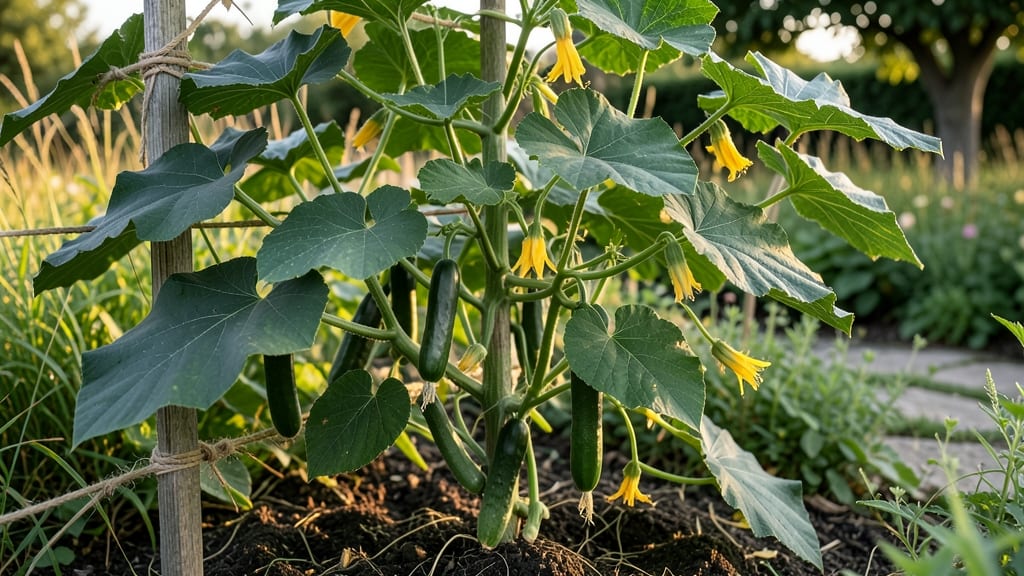
A healthy cucumber plant starts with the right foundation—one that keeps vines sprawling, fruits prolific, and pests at bay. 🌱 I’ve grown cucumbers for years, and the difference between a thriving vine and a struggling one often comes down to three key factors: soil that drains well but holds moisture, consistent watering that never drowns the roots, and a trellis to prevent disease.
Skip these, and you’ll end up with bitter fruit or plants that collapse under their own weight.
The secret isn’t complicated—it’s about consistency. Cucumbers love warmth but hate soggy feet, so mulch heavily to keep roots cool and even. I use a mix of straw and grass clippings, which also suppresses weeds and retains moisture for days at a time.
Fertilize lightly with compost tea every two weeks, and you’ll see vines thicken and flowers appear within 3-4 weeks of planting.
By mid-summer, you’ll be harvesting crisp, straight cucumbers daily—no bitter taste, no yellowing leaves. The trellis keeps fruit clean and reduces rot, while regular pruning of yellowed leaves keeps energy flowing to new growth. Even in cooler months, a greenhouse or cold frame extends the season effortlessly.
This method works for both bush and vining varieties, in containers or in-ground beds. The payoff? A harvest that lasts from early summer through fall, with minimal fuss. Let’s get those plants thriving!
📚 In This Guide
- What you need
- Instructions
- Tips and common mistakes
- Wrapping up and next steps
What you need
- ● Cucumber seeds or seedlings: Choose disease-resistant varieties like ‘Straight Eight’ or ‘Marketmore’ (6–10 seeds or 3–5 seedlings).
- ● Well-draining potting mix: 10–15 lbs of organic, fertile soil (e.g., Miracle-Gro Garden Soil or homemade compost blend).
- ● Containers or garden bed: For containers: 5-gallon pots or larger (1 plant per container).
- ● For gardens: Full sun (6+ hours/day) and loose, sandy soil (amend with compost if needed).
- ● Watering supplies: A watering can with a rose attachment or a drip irrigation kit (for consistent moisture).
- ● Fertilizer: Balanced organic fertilizer (e.g., 10-10-10) or compost tea (apply every 2–3 weeks).
- ● Trellis or stakes: 6–8 ft tall for vining varieties (e.g., ‘Arkansas Little Leaf’).
- ● Mulch: Straw or shredded leaves (2–3 inches) to retain moisture and suppress weeds.
- ● Pruning shears (for trimming excess vines).
- ● Garden gloves (to protect hands from thorns).
- ● pH test kit (ideal range: 6.0–6.8).
- ● Row cover or shade cloth (to protect from pests or extreme heat).
- ● Plant tie clips (for securing vines to trellises).
Step-by-Step instructions for cultivating healthy cucumber plants
Here’s how to grow vigorous cucumbers that thrive year-round with just a few key habits.
🌱 Step 1: Choose the Right Variety and Planting Site
Pick a bush variety if you’re short on space or a vining type for trellises—both need full sun (6+ hours daily). I always opt for disease-resistant hybrids like 'Straight Eight' or 'Marketmore' because they handle heat and humidity better. Plant seeds ½ inch deep in loose, well-draining soil with a pH between 6.0 and 6.8—you’ll know it’s right when the soil crumbles easily when squeezed.
Space seeds 3-4 inches apart in rows 4-6 feet apart to allow airflow. Crowding leads to powdery mildew, and that’s the last thing you want on a healthy plant. If planting in containers, use 5-gallon pots—cucumbers need room for their roots to spread. Wait until soil warms to at least 60°F before planting; cold soil slows germination and invites rot.
☀️ Step 2: Provide Support and Consistent Watering
Install a trellis or stakes as soon as seedlings emerge—cucumbers grow fast, and vines can reach 10-15 feet if left unchecked. I use galvanized wire trellises because they last years and won’t rust. Train vines upward with soft twine, giving them a gentle guide rather than forcing them. Healthy vines will climb eagerly once supported.
Water deeply at the base every 2-3 days, aiming for 1-1.5 inches of water per week. Let the top 2 inches of soil dry between waterings to prevent fungal diseases. Avoid wetting leaves—use a soaker hose or drip irrigation to keep foliage dry. You’ll see dark green, glossy leaves as a sign your plant is thriving; yellowing means it’s thirsty or struggling.
💧 Step 3: Fertilize and Monitor for Pests
Feed plants every 2-3 weeks with a balanced 10-10-10 fertilizer once they start vining. I mix ½ teaspoon per gallon of water to avoid burning roots—too much fertilizer leads to lush leaves but few cucumbers. Watch for aphids or cucumber beetles early in the season; they chew on leaves and spread diseases. Knock them off with a strong spray of water or use neem oil as a preventative spray every 10 days. Healthy plants handle a few pests, but don’t let infestations take hold.
Prune yellow or diseased leaves immediately—they drain energy from the plant. Pinch off the first few flowers if your plant is small; this encourages stronger vines before fruiting. You’ll know it’s working when new leaves appear above the pruning point within a week. Harvest cucumbers when they’re 6-8 inches long for best flavor—overripe fruit stresses the plant and reduces future yields.
✂️ Step 4: Maintain Through Harvest and Beyond
Harvest every 2-3 days during peak production to keep the plant focused on fruit rather than seed development. Use pruning shears to cut stems cleanly, leaving a ¼ inch of stem attached to the cucumber. This prevents bruising and keeps the plant healthy longer. I always harvest in the morning when cucumbers are crispest and coolest.
After the first harvest wave, reduce water slightly and stop fertilizing to signal the plant it’s time to slow down. Mulch with straw or grass clippings to retain moisture and suppress weeds—this keeps the soil healthy and reduces stress on the plant. If growing year-round in cooler climates, use row covers to extend the season without heat stress.
Tips & tricks for cultivating healthy cucumber plants
Here's what nobody tells you about growing cucumbers that actually thrive with minimal fuss.
Soil Preparation Matters: Before planting, mix in a handful of compost or well-rotted manure into the top 6 inches of soil. This improves drainage and provides nutrients without overfeeding—cucumbers hate soggy roots. I also like to add a thin layer of coarse sand if my soil feels compacted; it mimics the loose texture they crave. The goal is soil that crumbles like cake crumbs when you squeeze it.
Pest Prevention Starts Early: The 10-day neem oil spray schedule in Step 3 is non-negotiable if you want to avoid cucumber beetles. These pests don't just chew leaves—they carry bacterial wilt, which can kill your plants in weeks. I also recommend installing yellow sticky traps near your plants; they catch beetles before they even reach the vines. The traps should be placed at vine level, not on the ground.
Harvesting Technique: When harvesting those 6-8 inch cucumbers, use pruning shears to cut stems cleanly rather than twisting them off. The clean cut prevents bruising and keeps the plant's energy focused on producing more fruit. I've found that harvesting in the morning gives you the crispest cucumbers—this is when their moisture content is highest after overnight hydration.
Season Extension Hack: For year-round growing in cooler climates, use black plastic mulch instead of row covers. It warms the soil faster and holds heat better, helping plants thrive even when daytime temps dip below 60°F. You can also plant heat-loving varieties like 'Straight Eight' in late summer for a fall harvest—just give them a head start in pots indoors before transplanting.
Pro Tips for Healthy Cucumber Plant
- Here's what nobody tells you about growing cucumbers that actually thrive with minimal fuss.
- Soil Preparation Matters: Before planting, mix in a handful of compost or well-rotted manure into the top 6 inches of...
- Pest Prevention Starts Early: The 10-day neem oil spray schedule in Step 3 is non-negotiable if you want to avoid cuc...
Frequently asked questions
Got questions about keeping your cucumber plants thriving? You’re not alone!
Here are answers to the most common queries—from beginners to seasoned gardeners—so you can enjoy a healthy cucumber plant all year round with confidence.
How often should I water a cucumber plant?
Cucumbers need 1–2 inches of water per week, especially during fruiting. Water deeply at the base (avoid wetting leaves) to prevent fungal diseases like powdery mildew. Pro tip: Use mulch to retain moisture and reduce evaporation!
When is the best time to harvest cucumbers?
Harvest when cucumbers are 6–8 inches long (or smaller for pickling varieties) and firm to the touch. Wait too long? They’ll turn bitter or overripe. Use pruning shears to avoid damaging the plant, and harvest every 2–3 days to encourage more production!
What are the most common cucumber plant pests, and how do I stop them?
Watch for cucumber beetles, aphids, and spider mites. Natural fixes:
- Neem oil spray (deters beetles and mites).
- Row covers (protect young plants).
- Handpick larger pests (drop them in soapy water).
Can I grow cucumbers indoors, and what do they need?
Yes! Choose bush varieties (like ‘Bush Champion’) and place them near a south-facing window or under grow lights (12–16 hours/day). Use a 5-gallon container with well-draining soil and support vines with a trellis. Keep temps between 65–95°F for best growth.
What can I do if my cucumber plant’s leaves turn yellow?
Yellow leaves often signal overwatering, nutrient deficiency, or disease. Troubleshoot:
Cause
Solution
Overwatering
Let soil dry slightly between waterings; improve drainage.
Nitrogen deficiency
Fertilize with a balanced 10-10-10 or compost.
Fungal disease (e.g., powdery mildew)
Spray with baking soda mix (1 tsp baking soda + 1 quart water + a drop of soap).
Wrapping up and next steps
A thriving healthy cucumber plant is well within reach—even for beginners! 🌱 With the right soil, sunlight, and a little TLC, you’ll enjoy a bountiful harvest all year round. Remember, consistency is key: water deeply, prune regularly, and stay vigilant against pests.
Now that you’re armed with these tips, take action! Start with one plant, experiment with varieties, and watch your garden flourish. Happy growing—your future salads (and bragging rights) await! 🥒✨