
Planting
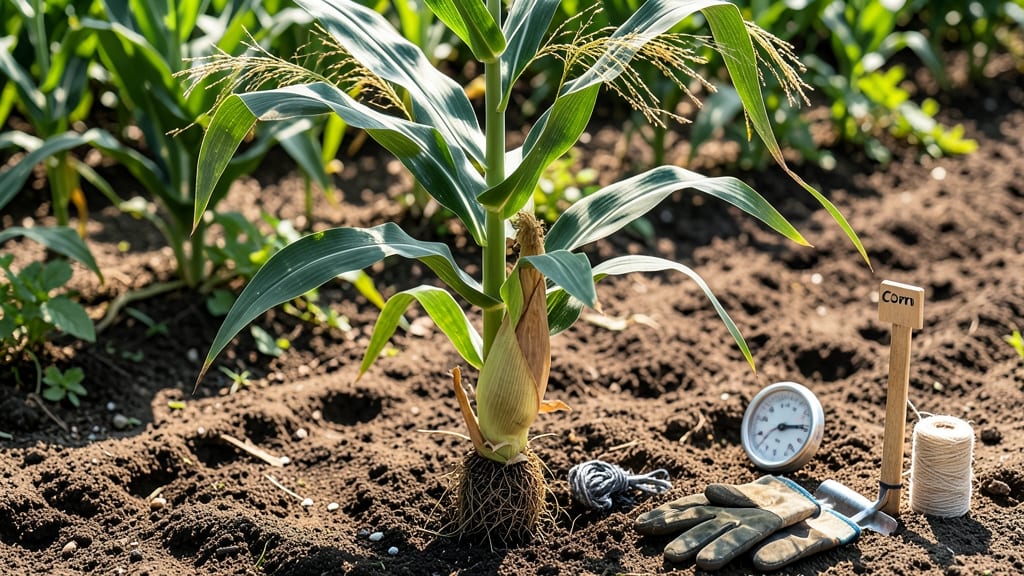
Planting corn under the right conditions is the key to strong germination and a bountiful harvest 🌽 — soil temperature, moisture, and timing all need to align perfectly for success.
Struggling to get your corn seeds to sprout consistently? The secret lies in mastering these conditions, because even the best seeds won’t break the soil if the ground is too cold, too dry, or planted at the wrong time.
Corn thrives when soil temperatures hit at least 60°F, which is why waiting for the last frost to pass — usually mid-April to early June in Zone 6a — makes all the difference. Too early, and the seeds rot; too late, and you risk stunted growth before harvest.
Below, I’ll break down the exact soil prep, watering schedule, and planting window you need to turn your garden into a cornfield — no guesswork, just proven results.
Ideal soil temperature and moisture for corn germination
Getting your corn seeds to sprout reliably starts with understanding two critical factors: soil temperature and moisture levels. Corn is particularly sensitive to these conditions—too cold or too dry, and your seeds may rot before germinating.
Too hot or soggy, and you risk fungal diseases or weak seedlings. Let’s break down the perfect conditions to set your corn plants up for success from day one.
Corn seeds need warm soil to germinate quickly. The ideal soil temperature range for planting is between 50°F and 85°F, with the sweet spot being 60°F to 70°F. Below 50°F, germination slows dramatically, and seeds may never sprout.
Above 85°F, seeds can dry out or overheat. Use a soil thermometer to check temperatures before planting—this simple tool will save you from wasted seeds.
Here’s a quick reference to help you prepare your soil for planting:
| Condition | Specification | Actionable Tip |
|---|---|---|
| Soil Temperature | 50°F - 85°F (optimal: 60°F - 70°F) | Use a soil thermometer to confirm warmth before planting. |
| Moisture Level | 1-1.5 inches of water per week | Water deeply 1-2 times per week, keeping soil consistently moist but not waterlogged. |
| Soil pH | 6.0 - 7.0 (slightly acidic to neutral) | Test your soil with a pH kit and amend with lime (to raise pH) or sulfur (to lower pH) if needed. |
| Soil Type | Well-draining, loamy soil | Add compost or aged manure to improve drainage and fertility before planting. |
| Germination Time | 7-14 days (depends on temperature) | If soil is too cold, germination can take 3+ weeks—wait for warmer conditions. |
Moisture is just as important as temperature. Corn seeds need consistent moisture to germinate, but they’ll rot if the soil stays soggy. Aim for 1 to 1.5 inches of water per week, delivered through deep watering sessions rather than light, frequent sprinkles.
Water the soil before planting to ensure it’s evenly moist, and keep it that way until germination occurs. A simple way to test moisture is to dig down 1-2 inches—if the soil feels dry, it’s time to water.
If your soil is too cold to plant, don’t rush it! Corn seeds won’t germinate well in chilly conditions, and forcing them can lead to poor growth. Instead, use black plastic mulch or row covers to warm the soil faster.
These tools can raise soil temperatures by 5-10°F, helping you plant earlier in the season. Just remove them once seedlings emerge to avoid overheating.
Another key step is testing your soil’s readiness. Press your finger into the soil—if it crumbles easily and feels slightly damp, it’s ready. If it’s rock-hard or powdery, amend it with compost or organic matter to improve structure.
Corn thrives in loamy soil, which drains well but retains enough moisture to support root growth. Avoid heavy clay soils, which can suffocate roots and lead to poor germination.
Once your soil hits the ideal temperature and moisture, plant your seeds 1 to 1.5 inches deep and space them 4 to 6 inches apart in rows that are 30 to 36 inches apart. This spacing gives roots room to grow and reduces competition for water and nutrients.
After planting, gently firm the soil around the seeds to ensure good contact, then water lightly to settle the soil without disturbing the seeds.
Watch for the first signs of germination, which typically appear in 7 to 14 days under ideal conditions. If you notice uneven sprouting, check for consistent moisture and temperature—fluctuations can cause delays.
Thin seedlings to the recommended spacing once they’re a few inches tall, keeping the strongest plants to give your corn room to grow into those towering stalks you’re dreaming of.
Remember, patience is key! Corn germination can be finicky, but with the right soil temperature, moisture balance, and a little preparation, you’ll be well on your way to a bountiful harvest.
Keep an eye on those seedlings, and soon you’ll be enjoying homegrown ears of sweet corn straight from your garden.
Best planting timing for corn by climate zone
Timing is everything when planting corn. Since corn thrives in warm soil and hates frost, your USDA hardiness zone determines the perfect window to sow seeds. Planting too early risks frost damage, while waiting too long can reduce yields.
Let's break down the ideal planting schedule for USDA zones 3 through 11 to help you maximize your harvest.
Corn seeds need soil temperatures of at least 60°F (15°C) to germinate properly. This typically aligns with your last frost date, but cooler northern zones may need adjustments. For example, gardeners in zone 3-5 often wait until mid-May, while zone 9-11 can plant as early as February or March.
Understanding these regional differences ensures your corn gets a strong start.
- Zone 3-5
- Zone 6-8
- Zone 9-11
- All Zones
Why: Wait for soil to warm above 60°F after last frost (usually late May)
Why: Soil reaches 60°F by early May; plant early varieties first
Why: Warm winters allow early planting; avoid summer heat stress with late varieties
For gardeners in cooler climates (zones 3-5), I recommend planting early-maturing varieties like 'Early Sunglow' (65 days) or 'Golden Bantam' (70 days). These varieties tolerate shorter growing seasons and still produce sweet, tender ears.
In warmer zones (9-11), opt for late-season varieties such as 'Silver Queen' or 'Peaches and Cream' to avoid summer heat stress.
Adjust your planting schedule based on your last frost date and corn variety. Most corn varieties need 75-120 days to mature, so count backward from your first frost date.
For example, if your first frost is October 15, and you're growing 90-day corn, plant by July 15 to ensure a full harvest before cold weather arrives.
Don't forget to account for succession planting if you want continuous harvests. Plant a new batch every 2-3 weeks for a steady supply of fresh corn throughout the summer. This works especially well in zones 6-10, where the growing season is long enough to support multiple plantings.
Pay attention to local microclimates—south-facing slopes warm up faster than shaded areas, and urban heat islands can create earlier planting opportunities. Use a soil thermometer to confirm your soil is ready before planting. With the right timing, you'll enjoy plump, sweet corn ears all season long! 🌽