
Planting
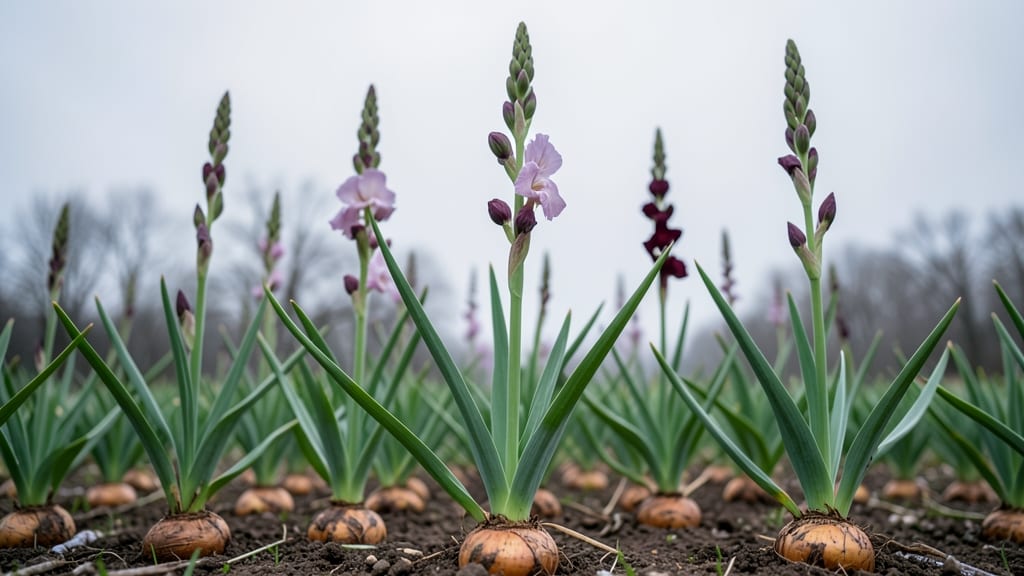
January may seem too early for gardening, but these hardy bulbs thrive when planted in cold weather. Perfect for gardeners in zones 3-7, these varieties promise vibrant spring blooms with minimal winter effort.
Tulip Bulbs for Early Colorful Blooms
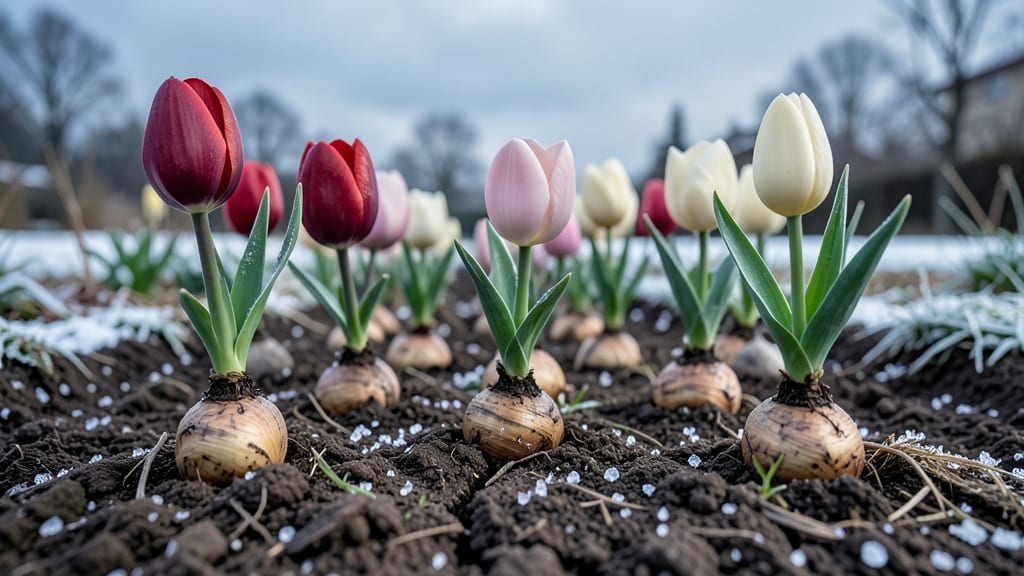
Want to beat winter blues with a burst of early spring color? Planting tulip bulbs in January guarantees vibrant blooms before most gardens even wake up from dormancy. These classic beauties thrive in cold climates and deliver instant visual impact with almost no upkeep.
Tulips are incredibly versatile—plant them in borders, containers, or even under trees where other plants struggle. For best results, choose hardy varieties like Darwin Hybrids or Parrot Tulips, which multiply over time. Simply plant bulbs 6-8 inches deep in well-draining soil with the pointed end up, and water lightly after planting. They’ll reward you with bold blooms in late spring, often lasting weeks.
This is the perfect choice for beginner gardeners or anyone with limited space, as tulips require minimal care once established. Their cheerful colors will lift your spirits and brighten up any garden corner. 🌻
Daffodil Bulbs Resistant to Deer
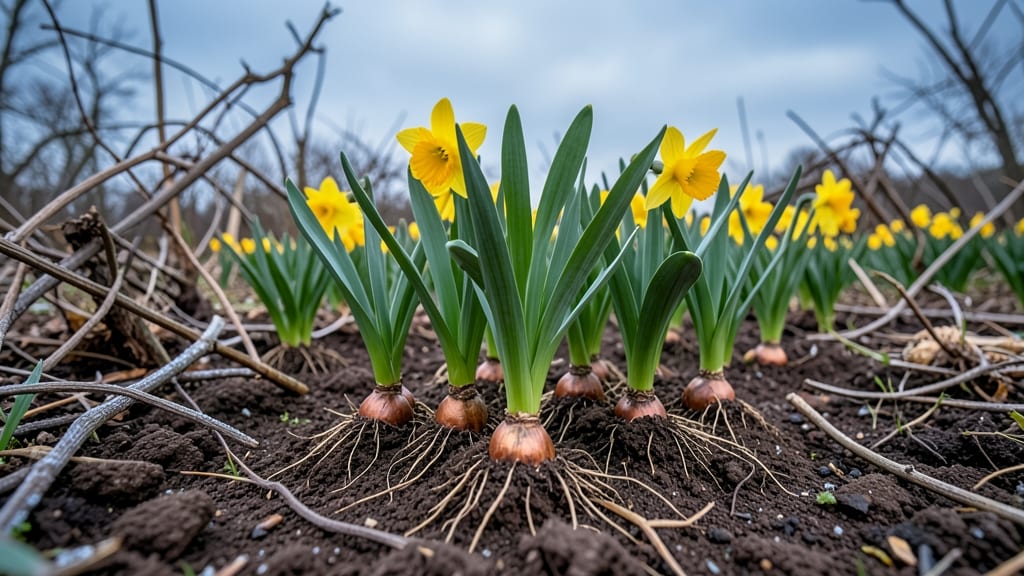
If deer raids have left your garden looking like a salad bar, daffodil bulbs are your secret weapon. Their toxic foliage repels deer naturally, while their cheerful blooms announce spring’s arrival with bright yellow trumpets that outshine even the boldest intruders.
Plant bulbs 6 inches deep in well-drained soil during January’s chill, and watch them multiply yearly—some varieties spread aggressively, creating lush colonies over time. They thrive in full sun to partial shade, making them versatile for borders, lawns, or under trees. Bonus: Their early blooms provide nectar for bees before other flowers emerge.
Perfect for rural gardeners or urban plots with wildlife visitors, daffodils offer low-maintenance beauty that keeps coming back. Once established, they’ll outlast deer and bring joy for decades. 🌻
Crocus Bulbs for Pollinator-Friendly Gardens
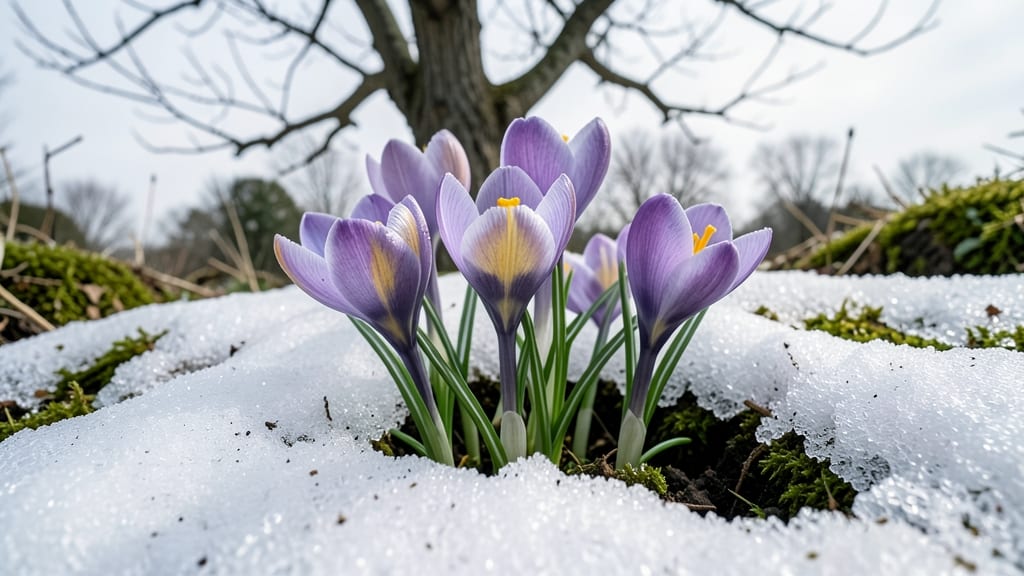
When winter still grips the garden, crocus bulbs are the unsung heroes breaking through snow to welcome bees with their early nectar. These tiny powerhouses bloom as early as late winter, providing critical food sources for pollinators emerging from dormancy.
Plant them in clusters under trees or in rock gardens where their compact size won't compete with other plants. Crocus thrive in full sun to partial shade and prefer well-drained soil—ideal for rocky or sandy areas where other bulbs struggle. Choose varieties like 'Purple Striped' or 'Snow Bunting' for vibrant color palettes that contrast beautifully against winter's muted tones.
Perfect for urban gardeners with limited space or those creating wildlife-friendly habitats, crocus bulbs reward you with year-round benefits—beautiful blooms in winter and natural pest control as they deter rodents. 🌱
Hyacinth Bulbs with Fragrant Blooms
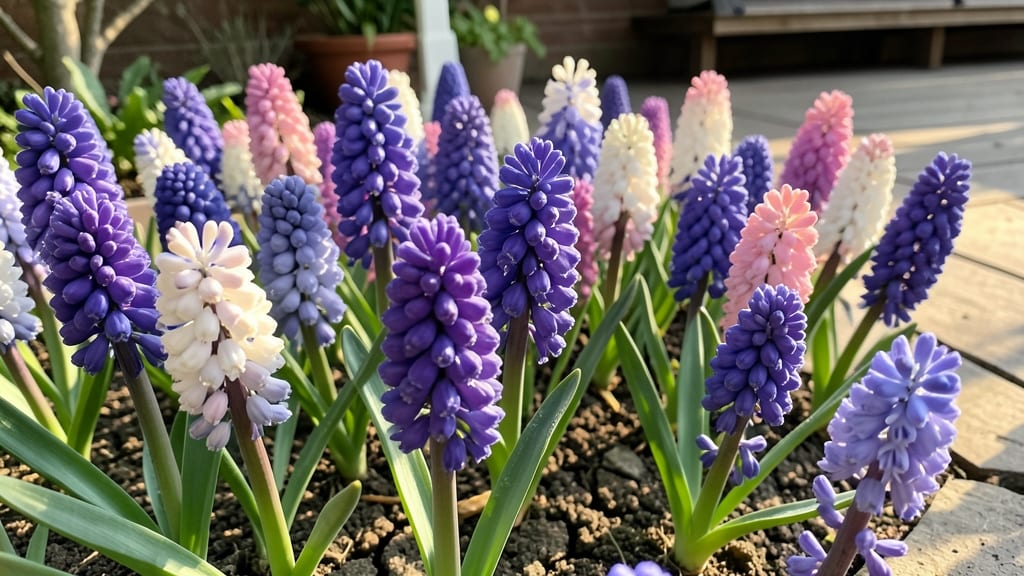
Imagine stepping onto your patio in spring and being greeted by a wave of intoxicating sweetness—hyacinth bulbs deliver that exact experience. Unlike their showy but scent-free cousins, these bulbs pack a fragrant punch, making them the secret weapon for gardens where you want both beauty and aroma.
Plant hyacinths in clusters of 9-12 bulbs for maximum scent impact, especially in partial shade where they thrive. Their deep roots tolerate winter cold, while their spring blooms (in colors from purple to white) fill the air with a perfume that rivals cut flowers. Perfect for patio containers or shaded garden corners, they’re also deer-resistant—a bonus for rural gardeners.
Urban gardeners and patio lovers will adore how hyacinths transform small spaces into fragrant havens. Just remember: their scent is strongest when planted densely and in well-drained soil. 🌷
Allium Bulbs for Unique Ornamental Appeal
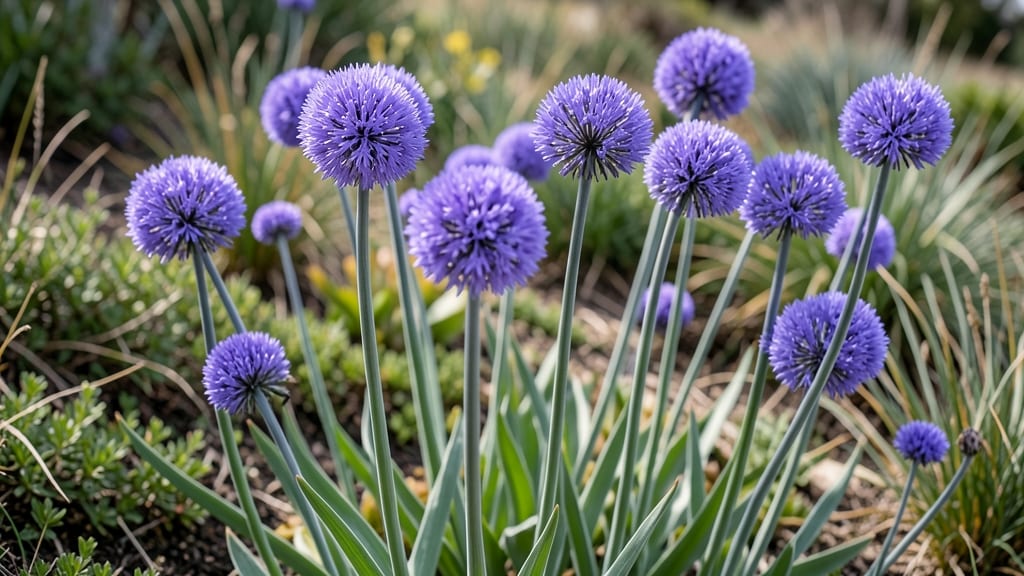
Looking for a way to add dramatic height and texture to your garden with minimal fuss? Allium bulbs deliver globe-shaped blooms that resemble oversized purple pom-poms, standing tall above other perennials while requiring almost no care.
These bulbs thrive in full sun to partial shade and are perfect for cutting gardens—their long stems hold up beautifully in arrangements. Their strong aroma also naturally deters pests like deer and rabbits, making them a multi-functional choice. Plant them in clusters for maximum impact, and enjoy blooms from late spring through summer.
Urban gardeners and small-space enthusiasts will love how alliums add vertical interest without taking up much room. Plus, their drought tolerance once established means less watering for you. 🌟
Snowdrop Bulbs for Shade Gardens
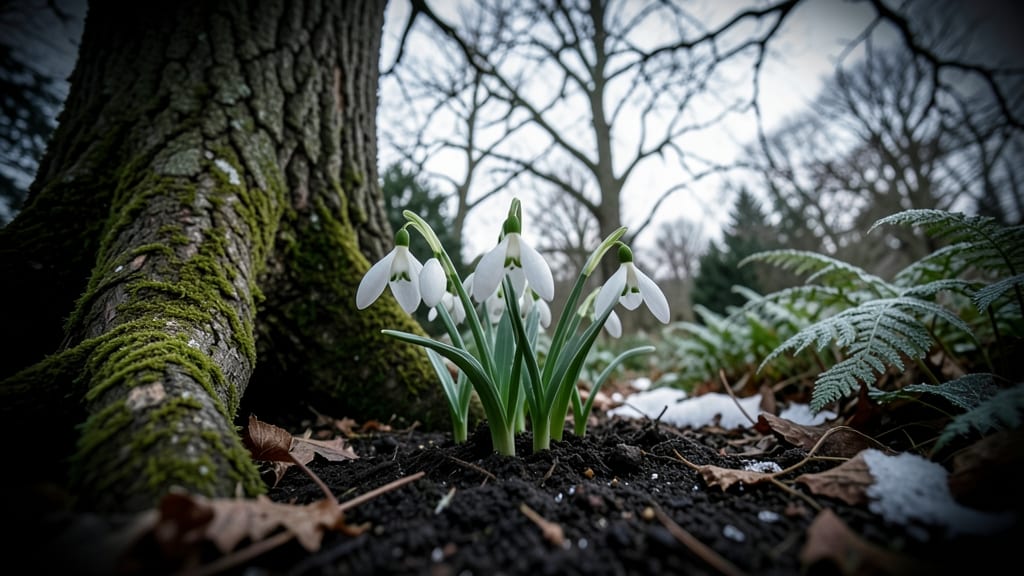
If your garden has areas where sunlight barely reaches, snowdrop bulbs are the perfect solution. These delicate white flowers emerge in late winter—often while snow still lingers—bringing life to the darkest corners of your landscape where most plants refuse to grow.
Plant them in deep shade under trees or along north-facing walls, where they’ll multiply over time with minimal care. Snowdrops thrive in moist, well-drained soil and require no summer watering once established. Their early blooms also signal the end of winter, making them a symbol of hope for gardeners eager for spring.
Ideal for woodland gardens, cottage-style landscapes, or even urban courtyards with limited light, these bulbs are a must for anyone who wants to transform shady spaces into vibrant, early-season displays. 🌱
Fritillary Bulbs for Checkered Patterns
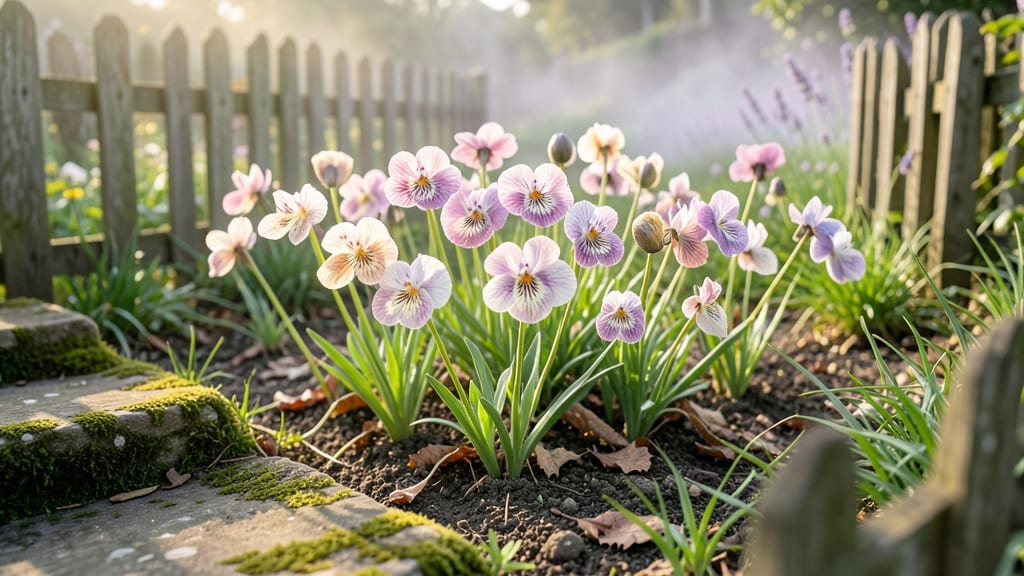
Craving a garden that looks like a storybook illustration? Fritillary bulbs bring whimsical, checkered patterns to your landscape with their delicate, lacy blooms in shades of pink, white, and lavender. These bulbs are the secret weapon for cottage-style gardens, offering a playful contrast to more structured plantings.
Plant them in well-drained soil and full sun for the best results, and watch as their unique, star-shaped flowers emerge in late spring. Fritillaries thrive in USDA zones 3-8, making them perfect for cool climates where January planting is ideal. Their height (12-24 inches) adds vertical interest without overwhelming smaller beds.
Perfect for gardeners who love unexpected beauty, fritillaries pair beautifully with daffodils or tulips for a magical spring display. Their striking foliage lingers even after blooms fade, adding texture to your garden throughout the season. 🌷
Muscari Bulbs for Grape-Like Clusters
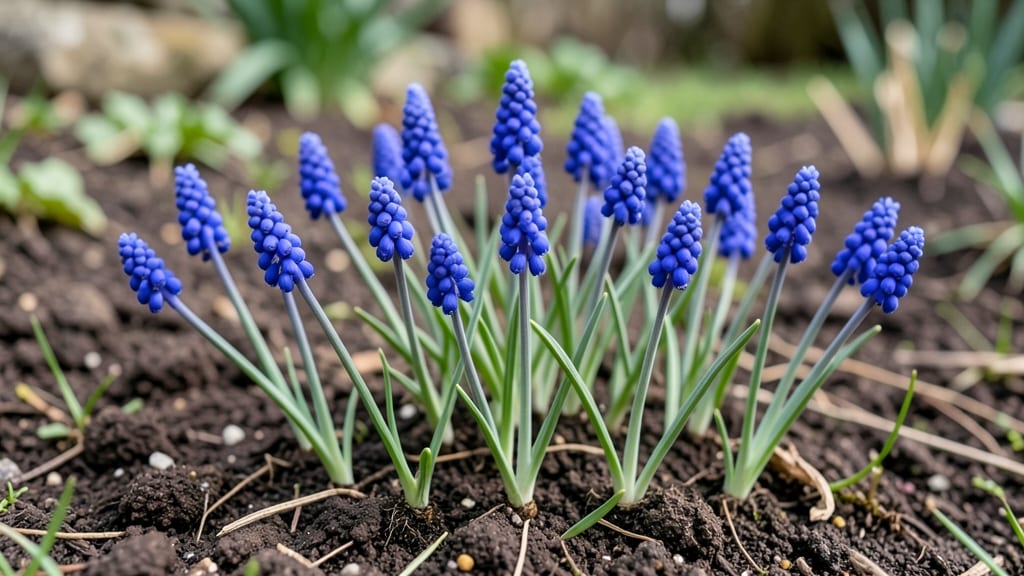
If you're looking for a low-maintenance bulb that adds a touch of whimsy to your garden, muscari delivers with its striking grape-like clusters that resemble tiny blue grapes dangling from slender stems. These compact beauties are perfect for filling gaps in borders or edging paths, offering year-round interest with their grass-like foliage.
Plant muscari bulbs in well-drained soil and full sun to partial shade, where they’ll thrive with minimal water once established. Their drought-tolerant nature makes them ideal for busy gardeners or dry climates, while their early spring blooms provide a pop of color before other perennials wake up. The more you plant, the more they’ll naturalize and spread over time.
Urban gardeners and small-space enthusiasts will love how muscari fits neatly into containers or along walkways, creating a textured, layered look without overwhelming the space. Their unique shape and color make them a standout choice for cottage gardens or modern landscapes alike. 💚
Scilla Bulbs for Woodland Gardens
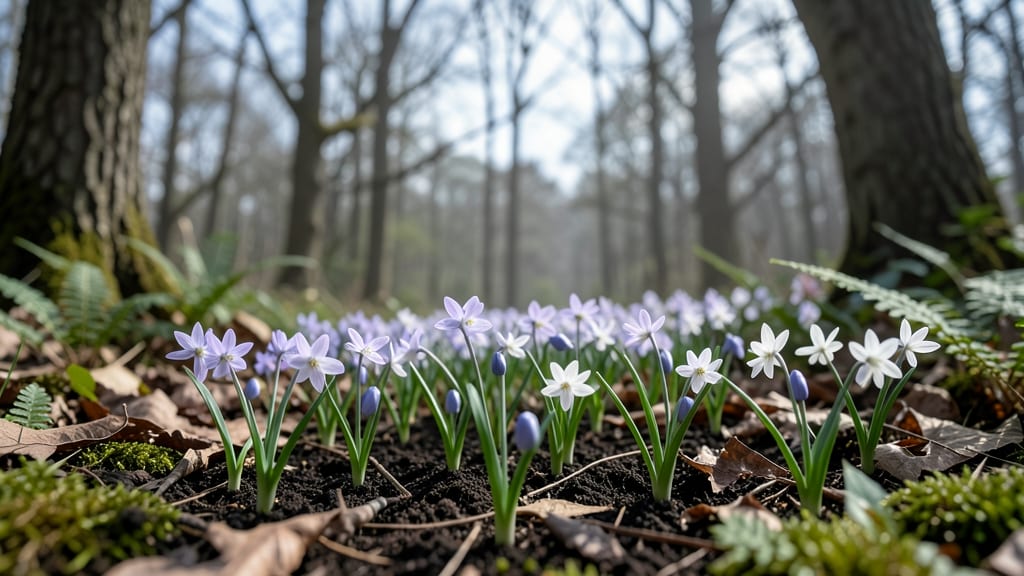
Create a woodland wonderland with scilla bulbs, nature’s answer to understory elegance. These dainty, star-shaped blooms thrive where sunlight dapples through trees, bringing early spring color to shady corners most plants avoid. Their low-growing habit makes them perfect for naturalistic gardens, rock crevices, or even under shrubs.
Plant scilla bulbs 3-4 inches deep in moist, well-drained soil from late fall through January. They multiply effortlessly over time, creating lush carpets of blue, purple, or white flowers by late winter or early spring. Unlike high-maintenance perennials, scilla requires zero fuss—just occasional division every few years to keep them vigorous. 🌿
Ideal for gardeners who love low-light spaces or cottage-style plantings, scilla transforms overlooked areas into enchanting spring displays. Their self-spreading nature means more blooms each year with minimal effort—perfect for busy gardeners craving beauty without the upkeep. 💚
Gladiolus Bulbs for Late Spring Height

If you're craving dramatic height in your garden but winter planting seems too early, gladiolus bulbs are your secret weapon for late spring. These bold beauties shoot up to 4-5 feet tall, creating instant vertical impact when most other perennials are still low to the ground.
Plant them in January in warm climates (zones 7-10) for summer-long blooms, or wait until late winter in cooler areas. Their full sun requirements make them perfect for sunny borders or cutting gardens—each spike produces 6-20 vibrant flowers on a single stem. For best results, space bulbs 6 inches apart and plant them 4-6 inches deep in well-draining soil.
Urban gardeners and small-space growers will love how these bulbs thrive in containers, while traditional gardeners can use them to create stunning back-of-border focal points. Their long vase life makes them a florist’s favorite too! 🌻