
Planting
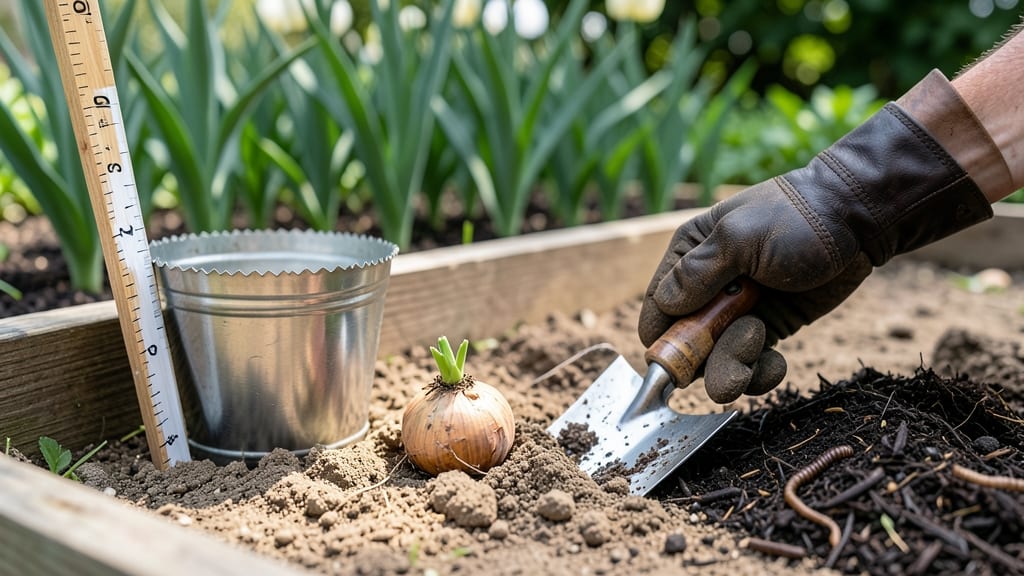
Planting bulbs at the right depth is the difference between a garden full of vibrant blooms and one that stays stubbornly bare.
You’ve picked the perfect bulbs, prepped the soil, and even timed your planting—yet nothing emerges. The culprit? Too shallow, and they rot; too deep, and they never bloom. Getting the bulb planting depth just right is the secret weapon most gardeners overlook.
Here’s the formula: 2–3 times the bulb’s height is the golden rule, but it’s not as simple as it sounds. Tulips and daffodils need one thing, while lilies and alliums demand another. We’ll break down the exact measurements, soil adjustments, and what happens when you get it wrong.
By the end, you’ll know not just how deep to plant, but how to troubleshoot common mistakes—like why your hyacinths refuse to sprout or your tulips bloom late—and how to tweak depth for clay, sand, or high-altitude gardens.
How deep to plant bulbs: the exact formula by bulb type
Planting bulbs at the correct depth is the secret to vibrant blooms and healthy roots. Too shallow, and they’ll rot; too deep, and they’ll struggle to reach sunlight. The golden rule? Plant bulbs 2–3 times their height below soil level.
For example, a 2-inch daffodil bulb should go 4–6 inches deep. This formula works for most spring-blooming bulbs, but exceptions exist—especially for large bulbs like alliums or small bulbs like crocus.
Why does depth matter? Bulbs need moisture and darkness to develop roots before shoots emerge. The soil above them acts as insulation, protecting them from temperature swings. In sandy soil, which drains faster, you might plant slightly deeper to retain moisture.
Conversely, in clay soil, which holds water longer, shallow planting can prevent rot. Always adjust based on your local soil type and climate.
Here’s the science: Bulbs store energy in their basal plate (the flat bottom). Planting too deep buries this plate, starving the bulb of nutrients. Too shallow exposes it to drying out or freezing.
The stem (pointy end) should always face upward—it’s your visual cue for correct orientation. If unsure, place the bulb in a small container of water overnight; the stem will float upward.
For spring-planted bulbs like caladiums or cannas, the rules shift slightly. These tropical bulbs thrive with shallower planting (1–2 inches deep) because they need warmth to sprout. In Zone 5 or colder, dig them up after frost or mulch heavily to protect them.
Conversely, summer-blooming bulbs like dahlias should go deeper (4–6 inches) to establish roots before hot weather arrives.
Pro tip: Use a bulb planter or trowel to mark the depth before filling the hole. Press the soil gently around the bulb to eliminate air pockets—this prevents rot. In containers, ensure the pot has drainage holes and plant bulbs close together (they’ll crowd roots but not tops).
For example, a 10-inch pot can hold 3–4 tulips planted 6 inches deep.
What if you’re unsure about your soil? Conduct a simple test: Dig a hole, fill it with water, and time how long it takes to drain. If water disappears in under 5 minutes, your soil is sandy—plant bulbs 10–20% deeper.
If it takes over 10 minutes, your soil is clay—plant shallower to avoid suffocation. Adjustments this precise make all the difference between a thriving garden and a failed experiment.
Seasonal timing also plays a role. Fall-planted bulbs (like tulips) need time to root before winter, so aim for 6–8 weeks before frost. Spring-planted bulbs (like gladiolus) should go in after the last frost when soil warms to
Common bulb planting mistakes that kill your garden
Even experienced gardeners struggle with bulb planting mistakes that seem small but have huge consequences. One wrong move—like planting too shallow or ignoring soil conditions—can mean the difference between a showstopping spring display and a wasted investment.
I’ve dug up (literally) the most common errors that turn vibrant blooms into sad, rotting bulbs.
The biggest culprit? Incorrect planting depth. Many gardeners assume "deeper is better," but bulbs need just the right balance of soil coverage to thrive. For example, tulips planted too deep may never bloom, while daffodils planted too shallow risk rotting from excess moisture.
Let’s fix these mistakes before your next planting season.
⚠️ callout-warning ⚠️
Planting bulbs at the wrong depth in heavy clay soil is a recipe for rot. The general rule is 2-3 times the bulb’s height, but clay soil compacts easily, suffocating roots. For example, a 2-inch crocus bulb should go 4-6 inches deep in loamy soil—but in clay, add 1-2 extra inches to prevent waterlogging.
Pro Tip: Use a soil gauge or your finger to test depth. Press the soil gently—it should feel firm but not compacted. If it’s like packing snow, your bulbs are in danger!
Another deadly mistake is planting bulbs at the wrong time. Many gardeners wait until spring, but bulbs like tulips and daffodils need a cold period to bloom properly. Planting them in late fall (6-8 weeks before frost) ensures they get the chilling they need for vibrant spring flowers.
If you live in a mild-winter zone (Zone 7+), consider pre-chilling bulbs in the fridge for 8-12 weeks before planting.
Overcrowding is another silent killer. Bulbs need space to breathe—packing them too closely leads to competition for nutrients and weak stems.
For most bulbs, maintain 3-6 inches of space between each one. Alliums and hyacinths can handle closer spacing (2-3 inches), but tulips and daffodils thrive with 4-6 inches apart. Skimping on space means fewer, smaller blooms next year.
Don’t forget about soil preparation. Heavy clay soil holds too much moisture, while sandy soil drains too quickly—both can strangle bulbs. Amend your soil with compost or peat moss to improve drainage. For clay-heavy areas, mix in coarse sand or perlite to create pockets of air around the roots.
A quick soil test can reveal if your garden needs organic matter or grit to support healthy bulb growth.
Finally, skipping mulch after planting is a common oversight. A 2-3 inch layer of mulch (straw, shredded leaves, or pine needles) protects bulbs from temperature swings and erosion. In cold climates, mulch insulates bulbs from harsh winters, while in hot regions, it keeps roots cool.
Just avoid piling mulch directly against the bulb—leave a 1-inch gap to prevent rot.
Fix these mistakes now, and your bulbs will reward you with bold, healthy blooms year after year. Start with the right depth, timing, and soil prep, and your garden will thank you! 🌷