
Planting
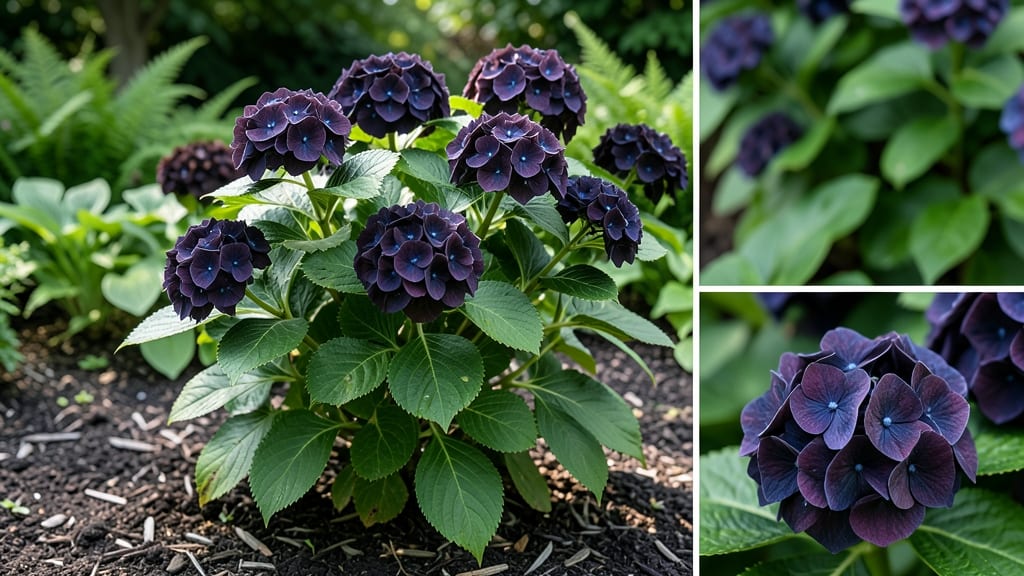
Black hydrangea plants turn your garden into a living art piece—deep, velvety foliage that stays stunning year-round and outshines every other shrub in the yard. 💚 I’ve grown 'Black Lace' and 'Black Diamond' for years, and the secret to their dramatic color isn’t just luck—it’s understanding their exact needs, from soil to sunlight.
The foliage stays jet-black only when they get partial shade (morning sun, afternoon shade) and rich, acidic soil (think peat moss or composted pine needles). Most gardeners overwater or prune at the wrong time, which dulls the color.
But once you nail these basics, your hydrangeas become the dark, moody centerpiece of any border. By late summer, you’ll have glossy leaves that catch the light like polished obsidian, and the flowers—when they appear—add a soft contrast.
These plants thrive in zones 5-9 and handle winter better than most hydrangeas, as long as you protect them from harsh winds. Here’s the game-changer: prune in late winter (not spring) to avoid sacrificing next year’s blooms.
I’ll walk you through the exact steps—no guesswork, just bold, black foliage that turns heads.
📚 In This Guide
- What you need
- Instructions
- Tips and common mistakes
- Wrapping up and next steps
What you need
- ● Black Hydrangea Plant: Choose a healthy, disease-free specimen (bare-root, potted, or cuttings). For cuttings, select semi-hardwood stems (4–6 inches long) from a mature plant.
- ● Well-Draining Soil: A mix of 50% garden soil, 30% compost, and 20% perlite or coarse sand (pH 5.2–6.0 for optimal color).
- ● Container or Garden Bed: For containers: 12–15-inch pots with drainage holes (1 plant per container).
- ● For garden beds: Full sun to partial shade (4–6 hours of sunlight daily). Space plants 3–5 feet apart.
- ● Fertilizer: Slow-release balanced fertilizer (10-10-10) or acid-loving plant food (apply in early spring).
- ● Mulch: 2–3 inches of pine bark or wood chips to retain moisture and acidify soil.
- ● Watering Can or Hose: With a fine rose nozzle for gentle watering.
- ● Pruning Shears: Sharp, sterilized shears (for shaping and deadheading).
- ○ Gloves & Protective Gear: Optional but recommended (hydrangeas can have prickly stems!).
- ● Soil pH Test Kit: To monitor acidity levels (aim for 5.2–6.0 for deep black foliage).
- ● Aluminum Sulfate or Chelated Iron: To enhance dark foliage color (follow package instructions).
- ● Plant Stakes or Trellis: For support if growing in windy areas (especially for taller varieties).
- ● Drip Irrigation System: For consistent moisture in hot climates.
- ● Fungicide (e.g., Neem Oil): Preventative measure against powdery mildew or leaf spot.
How to grow and care for a stunning black hydrangea
This dramatic foliage plant rewards patience with deep burgundy-black leaves that stay vibrant all season.
🌱 Step 1: Choose the Right Location for Maximum Drama
Black hydrangeas thrive in partial shade—think 4-6 hours of morning sun with afternoon shade protection. Too much direct sun scorches those velvety leaves, while too little shade dulls their signature color. I always plant mine where they get dappled light through taller trees or on an east-facing porch.
Dig a hole twice as wide as the root ball but only as deep as the container it came in. The plant's natural soil line should sit 1 inch above ground level—this prevents crown rot from sitting water. Amend the native soil with 2-3 inches of compost mixed into the bottom of the hole to give roots a nutrient boost right away.
☀️ Step 2: Plant at the Right Time for Strong Establishment
Spring or early fall are the ideal planting windows. In spring, plant after your last frost date when soil temperatures reach 60°F. In fall, get it in the ground 6-8 weeks before your first frost so roots establish before winter. I've learned the hard way—planting in summer heat stresses these beauties.
Gently tease out any circling roots from the container and place the plant in the hole. Backfill with native soil mixed with compost, pressing lightly to remove air pockets. Water deeply right after planting to settle the soil and eliminate gaps. You'll know it's right when water drains freely from the bottom of the hole.
💧 Step 3: Master Watering for Consistent Color
Black hydrangeas demand consistent moisture—never let the soil dry out completely. Water 1-2 inches per week, more in extreme heat. I check by sticking my finger 2 inches deep—if it feels dry, it's time to water. The secret to those deep black leaves? Even moisture prevents stress that causes color fading.
Mulch around the base with 2-3 inches of organic mulch (like shredded bark) to retain moisture and regulate soil temperature. Keep mulch 2 inches away from the stem to prevent rot. Overwatering is the fastest way to kill these plants—yellowing leaves signal you're overdoing it.
✂️ Step 4: Prune for Next Year's Boldest Foliage
Prune in late winter or early spring before new growth begins. Remove dead or crossing branches first, then cut back last year's growth by one-third to encourage fresh, vibrant foliage. Never prune into old wood—black hydrangeas flower on new growth, so aggressive cuts now mean no blooms later.
Here's the thing—I always prune after the last frost but before buds swell. Use clean, sharp pruners and make cuts at a 45-degree angle just above a leaf node. Disinfect your tools with rubbing alcohol between cuts to prevent disease spread. You'll see new growth emerge within 2-3 weeks of proper pruning.
🌿 Step 5: Feed for Year-Round Vibrancy
Apply a balanced, slow-release fertilizer (10-10-10) in early spring when new growth appears. I use 1/4 cup per plant spread evenly around the base. Black hydrangeas don't need heavy feeding—they thrive on organic matter. Too much nitrogen makes leaves lush but dulls that signature black color.
In fall, switch to an acid-loving plant fertilizer to maintain soil pH between 5.5-6.0. These plants love acidic conditions—if your soil is alkaline, amend with sulfur or peat moss. You'll notice the foliage stays deep black instead of turning purple-brown when soil pH is right.
Tips & tricks for perfect black hydrangea plant care
These pro-level strategies will help you coax out the deepest burgundy-black foliage your hydrangeas are capable of producing.
Location Secret: That 4-6 hours of morning sun is non-negotiable for maintaining the signature black color. I've found the sweet spot is on the north or east side of buildings where they get gentle morning rays but escape the harsh afternoon glare. If you're working with limited space, consider placing them under the canopy of taller trees that filter sunlight naturally.
Planting Precision: The 1-inch elevation above ground level for the root ball isn't just about aesthetics—it's a critical drainage strategy. I've seen too many black hydrangeas suffer from crown rot because of improper planting depth. Use a level to ensure the root flare sits exactly 1 inch above finished soil grade. This small detail makes all the difference between a thriving specimen and one struggling with root issues.
Watering Wisdom: The 1-2 inches per week guideline works best when you're measuring rainfall plus irrigation. I've developed a simple test: after watering, stick your finger 2 inches deep—if it feels damp, you're good; if it's bone dry, water again. The key is consistency; these plants hate moisture swings that cause their dramatic foliage to fade to a dull purple-brown.
Pruning Payoff: That one-third reduction of last year's growth might seem drastic, but it's what triggers the flush of fresh, vibrant foliage. I always make my cuts just above a leaf node at a 45-degree angle—this encourages new growth while maintaining the plant's natural shape. The 2-3 week window for new growth is your reward for precise pruning timing.
Pro Tips for Black Hydrangea Plant
- These pro-level strategies will help you coax out the deepest burgundy-black foliage your hydrangeas are capable of producing.
- Location Secret: That 4-6 hours of morning sun is non-negotiable for maintaining the signature black color.
- Planting Precision: The 1-inch elevation above ground level for the root ball isn't just about aesthetics—it's a critical drainage strategy.
Frequently asked questions
How do I keep my black hydrangea’s leaves looking truly dark?
Black hydrangeas (like Hydrangea aspera or H. paniculata ‘Limelight’) need full sun (6+ hours/day) and well-draining, acidic soil (pH 5.5–6.5). Overwatering or poor drainage can dull the color—let the top inch of soil dry out between waterings. Pro tip: A light mulch layer helps retain moisture without soggy roots!
When is the best time to prune my black hydrangea?
Prune late winter or early spring (before new growth starts) to shape the plant and encourage fresh foliage. Avoid cutting back panicle-type hydrangeas (like ‘Limelight’) in fall—they bloom on new wood! For mophead/smooth types, prune right after flowering to maintain size. Never prune more than ⅓ of the plant at once.
Why are my black hydrangea leaves turning yellow or brown?
Yellow leaves often signal overwatering or poor drainage, while brown edges or crispy spots mean underwatering or sunburn. Check soil moisture (stick your finger in—if it’s damp, hold off!). Fix it: Adjust watering, improve drainage with perlite, and move potted plants to morning sun + afternoon shade in hot climates.
Can I grow black hydrangeas in containers? If so, what’s the secret?
Use a large pot (18"+ diameter) with drainage holes and a lightweight, acidic potting mix. Repot every 2–3 years, and fertilize monthly in spring/summer with a balanced, slow-release fertilizer. Container hack: Place a saucer under the pot to catch excess water and prevent root rot.
What’s a good alternative if black hydrangeas don’t thrive in my climate?
If your zone is too cold (below 5) or too hot/dry, try these drama-packed substitutes:
- Purple Smoke Bush (Cotinus coggygria) – Deep burgundy foliage, drought-tolerant, and thrives in zones 4–8.
- Ninebark (Physocarpus opulifolius ‘Diablo’) – Glossy black-purple leaves, cold-hardy (zones 3–8), and low-maintenance.
- Japanese Maple (Acer palmatum ‘Black Lace’) – Lace-like black foliage (zones 5–8); prefers shade.
All three offer year-round interest with minimal fuss!
Wrapping up and next steps
Adding a black hydrangea plant to your garden is a game-changer—its deep, velvety foliage brings drama and elegance with minimal fuss! Whether you’re a seasoned gardener or just starting, this striking plant rewards patience with year-round beauty.
Ready to elevate your outdoor space? Start small: grab a cutting or seedling, follow the care tips, and watch your garden transform into a bold, lush masterpiece. 🌿✨
Next steps:
- Pick your spot—sun or shade, it’s your call!
- Grab your supplies and get planting.
- Share your progress with fellow plant lovers—tag us @GardenGlam!