
Planting
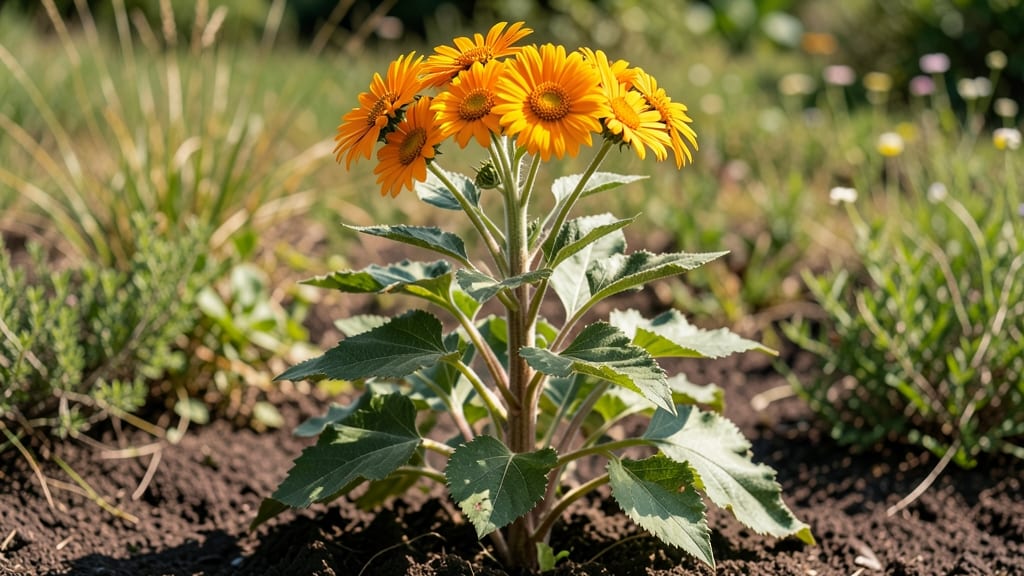
Fast-growing Birds of Heaven (Tithonia diversifolia) turns bare spots into lush privacy screens in just one growing season. 🌿 I planted mine last spring, and by summer, it had already reached 6 feet tall with glossy, deep-green leaves that stay vibrant all year.
This isn’t just a fast grower—it’s a pollinator magnet with fiery orange flowers that bloom nonstop. The secret to its speed? Full sun and well-draining soil. It thrives in heat and drought once established, making it perfect for hot climates or low-maintenance gardens.
Unlike fussy plants, Birds of Heaven tolerates poor soil and even urban pollution, so it’s great for city gardens or neglected corners. You’ll love how it fills space quickly while supporting bees and butterflies. The flowers attract pollinators like crazy, and the foliage stays dense even in winter.
Prune back in early spring to encourage bushier growth, and watch it bounce back faster than most plants. Works as a hedge, backdrop, or even a container plant in warmer zones. Here’s how to get yours thriving!
📚 In This Guide
- What you need
- Instructions
- Tips and common mistakes
- Wrapping up and next steps
What you need
- ● Birds of Heaven plants: 3–5 mature plants (6–12 ft tall) for a 10-ft-wide screen. Space them 8–10 ft apart for full coverage.
- ● Well-draining potting mix: 2–3 cubic yards (for in-ground planting) or 10–15-gallon bags (for containers). Mix in perlite or compost for aeration.
- ○ Organic fertilizer: Balanced 10-10-10 or slow-release granules (1 lb per plant). Optional: Add a handful of worm castings for extra nutrients.
- ● Mulch: 2–3 inches of wood chips or shredded bark to retain moisture and suppress weeds.
- ● Watering can or hose: With a gentle spray nozzle (avoid blasting roots).
- ● Gloves & pruning shears: Heavy-duty gloves (for thorny stems) and sharp shears (sterilized with rubbing alcohol).
- ○ Stakes (optional but helpful): 4–6 ft bamboo stakes + soft ties for young plants in windy areas.
- ● Sunlight: Full sun to partial shade (6+ hours of light daily). Test your spot with a light meter app if unsure.
- ● Soil test kit: Check pH (ideal: 6.0–7.5). Amend clay soil with sand or peat moss if needed.
- ● Tape measure: For precise spacing (critical for dense growth!).
- ● Wheelbarrow: For hauling soil/mulch (or a 5-gallon bucket for small projects).
- ● Local nursery or online supplier: Source plants from reputable sellers (e.g., Fast-Growing-Trees.com or garden centers).
- ● Epsom salt: 1 tbsp dissolved in water (monthly) for magnesium boost.
- ● Drip irrigation system: Automates watering (great for large screens).
- ● Bird netting: Protects young leaves from pests like deer or slugs.
- ● Decorative rocks: For a polished look around the base (e.g., pebbles or lava rock).
How to plant and grow Birds of Heaven for a fast privacy screen
Here's my go-to method for establishing a lush, evergreen screen in record time.
🌱 Step 1: Choose the Perfect Planting Location
Birds of Heaven (Caesalpinia gilliesii) thrives in full sun for at least 6 hours daily, but tolerates partial shade in hot climates. I always test the spot first by observing how much direct sunlight it gets between 10 AM and 4 PM—that's when these plants grow most vigorously. Avoid low-lying areas where cold air settles in winter, as they're only hardy down to USDA Zone 8.
Measure your desired screen height and mark planting spots 8-10 feet apart in rows. The plants spread 6-8 feet wide at maturity, so leave extra space if you want airflow between rows. I sketch a quick grid on paper first to visualize the layout—trust me, it prevents uneven spacing later.
🪴 Step 2: Prepare the Soil and Plant
Birds of Heaven adapts to most soils but grows fastest in well-draining, slightly acidic to neutral soil with a pH between 6.0-7.0. If your soil is heavy clay, amend it with 2-3 inches of compost mixed into the top 12 inches of soil. I always dig a hole twice as wide as the root ball but only as deep as the container's base—planting too deep suffocates the roots.
Remove the plant from its container and gently tease apart any circling roots with your fingers. Position the plant so the top of the root ball sits 1 inch below soil level. Backfill with native soil mixed with a handful of slow-release fertilizer, then water deeply to eliminate air pockets. You'll know it's right when water drains freely from the bottom of the hole.
☀️ Step 3: Water and Mulch for Fast Establishment
Keep the soil consistently moist but never soggy for the first 6-8 weeks—this is when roots establish. I water deeply 2-3 times per week until the top 6 inches of soil feels damp (stick your finger in to check). Mulch with 2-3 inches of wood chips around the base, keeping it 6 inches away from the trunk to prevent rot. The mulch locks in moisture and keeps roots cool during summer's fastest growth phase.
Watch for new growth within 2-3 weeks—you'll see fresh, vibrant foliage emerging from the center. This is your signal the plant is thriving. If leaves yellow, you're overwatering; if they curl, it's underwatering. I've found that a light morning watering followed by afternoon shade (via dappled sunlight) helps prevent stress during the hottest months.
✂️ Step 4: Prune and Maintain for Year-Round Density
Prune lightly in late winter or early spring to shape the plant and encourage bushier growth. I remove any dead or crossing branches first, then cut back leggy stems by one-third to stimulate new shoots. Birds of Heaven blooms in spring with bright yellow flowers, but I deadhead spent blooms to redirect energy into foliage growth—this keeps the screen dense and lush year-round.
Fertilize once in early spring with a balanced 10-10-10 fertilizer and again in midsummer if growth slows. I avoid high-nitrogen fertilizers, which promote leafy growth at the expense of hardiness. By year two, your screen should reach 6-8 feet tall, providing instant privacy and a stunning evergreen backdrop.
🌿 Step 5: Protect and Enjoy Your Fast-Growing Screen
In colder climates, wrap young plants in burlap during winter to prevent frost damage. Mature plants handle light frosts well, but new growth is tender. I also monitor for aphids or spider mites—spraying with neem oil at the first sign keeps pests in check without harming the plant. With proper care, Birds of Heaven grows 3-5 feet per year, making it one of the fastest privacy screens for warm climates.
Step back and admire your work after a year—you'll have a vibrant, glossy-green screen that stays beautiful in every season. The key is patience during the first year while roots establish, then letting the plant's natural vigor take over. Real talk: your neighbors will ask how you did it so quickly!
Tips & tricks for perfect Birds of Heaven privacy screen
Here's what nobody tells you about getting that lush, fast-growing screen without the headaches.
Sunlight Strategy: The 6 hours of daily sun between 10 AM and 4 PM is non-negotiable for maximum growth. I've seen plants in partial shade grow, but they'll be leggy and sparse. If your yard only gets morning sun, plant on the north side of the screen to catch those afternoon rays. For hot climates, morning sun with afternoon shade actually helps prevent leaf scorch—just watch for that first year.
Soil Prep Secret: When amending heavy clay soil with 2-3 inches of compost, don't just scratch it in—mix it thoroughly into the top 12 inches. I've dug test holes to check: the roots need that loose, well-draining environment to spread quickly. For sandy soil, add a bit of peat moss to help retain moisture during those critical first 6-8 weeks when roots establish.
Watering Wisdom: The 2-3 times per week guideline works for average conditions, but adjust based on your soil type. Clay holds moisture longer, so you might only need watering twice weekly. Sandy soil? Check that top 6 inches daily during summer—it'll dry out fast. I use a moisture meter now, and it's saved me from both overwatering and underwatering disasters.
Pruning Payoff: That one-third cut back on leggy stems in Step 4 might seem drastic, but it triggers amazing regrowth. I've seen plants go from sparse to bushy in just 6 weeks after this prune. The key is timing—do it right after the spring bloom when new growth is just starting. And always sterilize your pruners with rubbing alcohol between cuts to prevent disease spread.
Pro Tips for Birds Of Heaven Plant
- Here's what nobody tells you about getting that lush, fast-growing screen without the headaches.
- Sunlight Strategy: The 6 hours of daily sun between 10 AM and 4 PM is non-negotiable for maximum growth.
- Soil Prep Secret: When amending heavy clay soil with 2-3 inches of compost, don't just scratch it in—mix it thoroughly into the top 12 inches.
Frequently asked questions
Got questions about growing Birds of Heaven (Duranta erecta) as your privacy screen? Here are some of the most common ones—and answers to help you succeed!
What’s the best time of year to plant Birds of Heaven?
Plant in early spring or late fall when temperatures are mild (60–75°F). This gives roots time to establish before extreme heat or cold. Avoid planting in summer—young plants can struggle with drought stress. If you must plant in winter, choose a sheltered spot to protect it from frost.
How close can I space Birds of Heaven plants for a fast privacy screen?
Space plants 6–8 feet apart for a dense hedge in 2–3 years. For a quicker screen, plant 4–5 feet apart, but expect more pruning to fill gaps. Remember: These grow 3–5 feet per year—so plan ahead! Mulch around the base to retain moisture and suppress weeds.
How often should I prune Birds of Heaven for shape and growth?
Prune lightly in late winter or early spring to shape and encourage bushiness. For aggressive growth, trim 2–3 times per year (spring, summer, and fall). Avoid heavy pruning in fall—it can stimulate tender new growth vulnerable to frost. Wear gloves: The leaves and berries can irritate skin!
Are the berries toxic to birds or pets?
Yes! While birds do eat the berries, they’re toxic to humans and pets (especially dogs). Keep pets away from fallen berries, and avoid planting near children’s play areas. If ingested, contact a vet or poison control immediately. The plant’s glossy foliage is safe, though!
What’s the fastest way to fill in gaps if my Birds of Heaven hedge looks sparse?
Try these tricks:
- Layering: Bend low branches to the ground, weigh them down with rocks, and cover with soil. New roots will form!
- Air layering: Wrap a branch in damp moss and plastic, securing it with tape. Roots grow in 4–6 weeks.
- Transplant seedlings: If birds dropped seeds, dig up healthy young plants and replant them.
Why are my Birds of Heaven leaves turning yellow or dropping?
Common causes:
- Overwatering: Yellow leaves + soggy soil = root rot. Let soil dry slightly between waterings.
- Underwatering: Crispy edges + wilting = thirsty plant. Water deeply 1–2x/week (more in heat).
- Nutrient deficiency: Pale yellow leaves? Feed with iron or nitrogen-rich fertilizer.
- Pests: Check for aphids or spider mites (spray with neem oil if needed).
Wrapping up and next steps
The Birds of Heaven plant is a stunning, low-maintenance solution for adding year-round privacy and lush greenery to your space. Its fast growth, glossy foliage, and adaptability make it a favorite for both beginners and seasoned gardeners.
Whether you're looking to enhance your landscape or simply enjoy its beauty, this plant is a fantastic choice! 🌿
Now that you’re equipped with the knowledge, why not take the next step? Plant one today and watch your outdoor space transform—your future self (and your neighbors!) will thank you! 🌱