
Planting
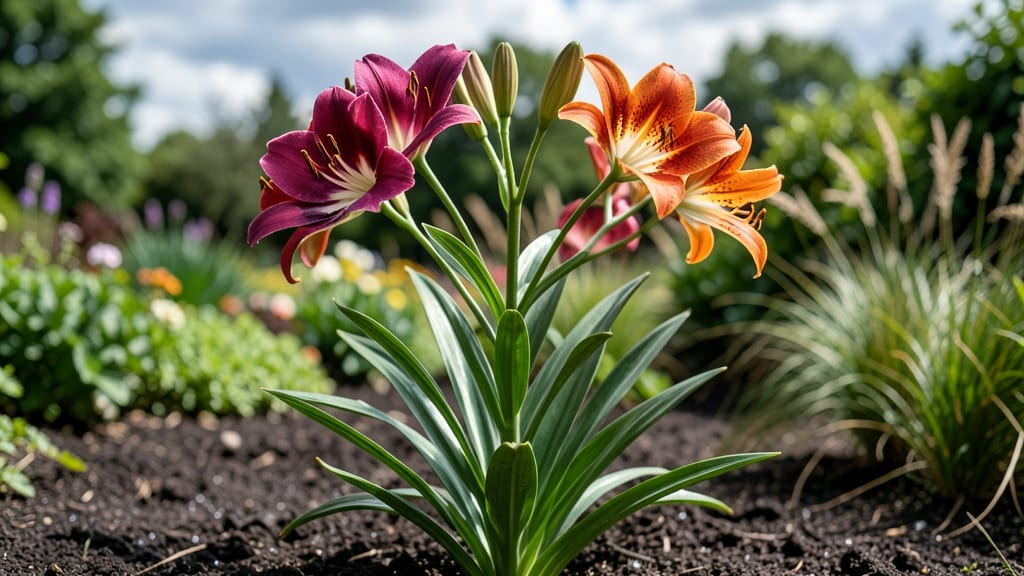
Growing Asiatic lilies in Zone 5 delivers bold, long-lasting blooms 🌸 that brighten summer gardens — but only if you match their needs to your climate.
Zone 5 gardeners can enjoy vibrant Asiatic lilies year after year—but only if you plant them correctly. These hardy perennials thrive in your climate with the right timing, soil prep, and care, delivering bold blooms that last for weeks.
The key is planting after your last frost (typically mid-May in Zone 5) and choosing a spot with full sun and well-draining soil. Without these, your lilies may struggle with weak stems or sparse blooms.
Below, I’ll walk you through the exact planting steps, seasonal care schedule, and pro tips to keep your Asiatic lilies flourishing—even through Zone 5’s unpredictable springs and early frosts.
Best planting time and location for Asiatic lilies in Zone 5
Asiatic lilies (Lilium asiaticum) are a Zone 5 gardener's dream, offering bold colors and long-lasting blooms with minimal fuss. But timing and location matter—plant too early, and frost will damage tender roots; too late, and they may struggle to establish before winter.
The key is balancing Zone 5's short growing season with these perennials' needs for warmth and sunlight.
In my Zone 5 garden, I've found that spring planting (after last frost) yields the most reliable blooms, but fall planting can also work if done 6-8 weeks before first frost.
The variable climate here demands flexibility—some years, early springs mean bulbs can go in by mid-April, while colder years push planting to late May. Understanding your microclimate is everything.
🌱 PRO TIP: Check your local frost dates—most Zone 5 areas experience last frost between April 15-30. Use a soil thermometer to confirm ground temps are above 50°F (10°C) before planting.
| Planting Factor | Zone 5 Specification | Key Consideration |
|---|---|---|
| Best Planting Window | Spring: April 15-May 15 Fall: September 1-October 1 |
Avoid early spring risks and late fall frost exposure |
| Sunlight Needs | 6-8 hours of direct sun daily | South-facing beds get maximum bloom potential |
| Soil pH | 6.0-7.0 (neutral to slightly acidic) | Test soil—amend with compost or lime if needed |
| Soil Type | Well-draining, loamy soil with organic matter | Avoid clay-heavy or waterlogged spots |
| Bulb Depth | 4-6 inches deep, pointy end up | Prevents frost heave in winter |
| Spacing | 6-8 inches apart in rows | Allows air circulation to prevent disease |
For location selection, prioritize spots with full sun exposure—my south-facing beds produce lilies that bloom 2 weeks earlier than shaded areas. Even in Zone 5's cooler climate, Asiatic lilies need at least 6 hours of direct sunlight daily to develop strong stems and vibrant blooms.
Soil preparation is non-negotiable in Zone 5, where compacted or heavy clay can suffocate bulbs. I always amend planting areas with 2-3 inches of compost and a 50/50 mix of garden soil and perlite to ensure drainage.
Raised beds work exceptionally well if your native soil is poor—just ensure they're at least 12 inches deep.
One common mistake in Zone 5 is planting too shallowly to avoid frost damage. While shallow planting might seem safer, bulbs need 4-6 inches of soil cover to insulate roots during winter temperature swings (which can drop to -10°F/-23°C).
In my garden, I mark planting spots with stakes to ensure consistent depth.
Microclimates play a huge role in Zone 5. South-facing slopes warm up faster in spring, while north-facing areas stay cooler longer. I've successfully grown Asiatic lilies against south-facing brick walls, where they bloom 3 weeks earlier than in open garden beds.
Observe your yard's sun patterns for 3-5 years to identify optimal spots.
Fall planting is riskier in Zone 5 but can be rewarding if bulbs establish roots before first frost (typically late October-November). I recommend September planting in most of Zone 5, giving bulbs 6-8 weeks to root before winter.
Water deeply after planting, then mulch with 2-3 inches of straw to protect roots from freeze-thaw cycles.
If you're new to growing Asiatic lilies in Zone 5, start with dwarf varieties like 'Little Dream' or 'Stargazer'—they're more forgiving of shorter growing seasons and cooler temperatures.
These varieties also handle light shade better if your yard lacks full sun. For maximum impact, plant in odd-numbered groupings (3, 5, or 7 bul
Step-by-step planting guide for Zone 5's unique climate challenges
Zone 5's variable climate and early frost risks demand precise planting techniques for Asiatic lilies. These hardy perennials need careful bulb placement and soil prep to thrive despite temperature swings.
Let's walk through the exact steps to ensure your lilies establish strong roots and deliver reliable blooms year after year.
First, understand that Zone 5's short growing season means timing is critical. Planting too early risks frost damage, while waiting too long may limit root establishment. The ideal window is late April to early May, after your last frost date.
Check your local frost-free days—typically around May 15 in most Zone 5 regions—to plan accordingly.
- 1. Choose the Right Location Select a spot with full sun (6+ hours) and well-draining soil. Avoid low areas where cold air pools or water collects.
- 2. Prepare the Soil Loosen soil to 12 inches deep and mix in 2-3 inches of compost. Asiatic lilies prefer slightly acidic to neutral soil (pH 6.0-7.0). Test your soil and amend if needed.
- 3. Plant Bulbs at Correct Depth Dig holes 4-6 inches deep (about 3x the bulb's height) and space bulbs 6-8 inches apart. This spacing prevents soil compaction and allows airflow.
- 4. Position Bulbs Properly Place bulbs with the pointy end up and flat side down. Cover with soil, leaving no air pockets. Gently firm the soil to eliminate gaps.
- 5. Water Immediately After Planting Soak the soil to 12 inches deep to encourage root growth. Use a soaker hose or drip irrigation to avoid disturbing the bulbs.
- 6. Apply Mulch for Frost Protection Spread 3-4 inches of mulch (straw or shredded leaves) around the base. This insulates bulbs from late spring frosts and retains moisture.
- 7. Monitor for Early Signs of Growth Watch for shoots in 4-6 weeks. Once they appear, reduce mulch slightly to prevent rot. Keep soil consistently moist but not soggy.
After planting, avoid heavy foot traffic around the area to prevent soil compaction, which can strangle developing roots. Zone 5's clay-heavy soils often compact easily, so consider adding organic matter like peat moss or coconut coir to improve drainage.
This is especially important if your garden sits in a low-lying area prone to waterlogging.
One of Zone 5's biggest challenges is unpredictable late frosts. To protect your newly planted bulbs, cover them with a lightweight frost blanket if temperatures dip below 32°F in early spring.
Remove the blanket during the day to allow sunlight. This simple step can mean the difference between healthy blooms and wilted shoots.
Once your Asiatic lilies are established, focus on seasonal maintenance to keep them thriving. In early summer, apply a balanced fertilizer (5-10-10) to encourage strong foliage and blooms. By late summer, reduce watering slightly to prepare bulbs for dormancy, but avoid letting the soil dry out completely.
This balance ensures your lilies return stronger each year despite Zone 5's harsh winters.
With these steps, your Asiatic lilies will reward you with vibrant blooms from June to August, even in Zone 5's challenging climate. The key is proper planting depth, soil preparation, and frost protection—all tailored to your region's unique conditions. 🌸