
Vegetables
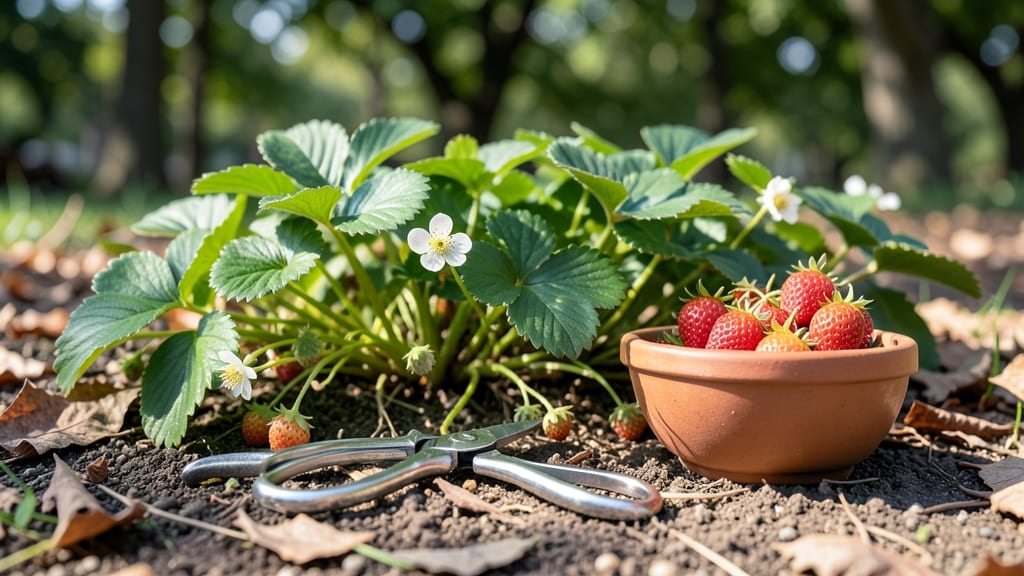
Wild strawberries are edible for humans and safe to eat, offering a sweeter, more intense flavor than cultivated varieties, though they contain fewer seeds and smaller fruit size. Always ensure proper identification to avoid toxic look-alikes like bittersweet nightshade or deadly nightshade.
Yes, wild strawberries are perfectly safe for human consumption when properly identified. 🌿 These tiny berries pack a punch with their concentrated sweetness—often 4-5 times more intense than their supermarket cousins—and contain beneficial antioxidants like ellagic acid.
However, their small size means you'd need to eat dozens to match the vitamin C content of one large cultivated strawberry. The key to enjoying them safely lies in distinguishing them from toxic doppelgängers, which often grow in similar habitats but can cause serious illness if ingested.
Foragers should look for trifoliate leaves (three leaflets) and berries growing low to the ground, typically between 2-4 inches in diameter. The stems should be hairy, and the berries should be bright red when fully ripe.
I always recommend cross-referencing with a reliable field guide or foraging app, especially when collecting in unfamiliar areas. Remember, when in doubt, leave it out—there's no shame in skipping a patch if you're unsure!
💡 In This Article
- Wild Strawberry Identification and Toxic Look-Alikes
- Nutritional Benefits and Harvesting Tips for Wild Strawberries
Wild strawberry identification and toxic look-alikes
Wild strawberries (Fragaria vesca) have distinct botanical features that set them apart from dangerous imposters. The leaves grow in a trifoliate pattern—three small, rounded leaflets with jagged edges—arranged on hairy stems that stay close to the ground.
Unlike cultivated strawberries, wild varieties rarely exceed 1 inch in diameter, with a deep, vibrant red color when fully ripe. The berries also lack the large, white "achenes" (seeds) found on commercial strawberries, giving them a smoother texture.
The most critical safety factor is distinguishing them from toxic look-alikes like bittersweet nightshade (Solanum dulcamara), which has smooth, oval leaves and grows on woody vines, or deadly nightshade (Atropa belladonna), whose berries are glossy black and grow on tall, upright plants.
Wild strawberries grow in dense colonies along forest edges or meadows, while poisonous nightshades prefer shady, damp areas. 🌿 Always check for these visual cues: wild strawberries should have a sweet, fresh aroma when crushed, while toxic plants often smell bitter or have no scent.
Foragers should also examine the plant's growth habit—wild strawberries form low, spreading mats with runners, while dangerous mimics typically grow upright. I've seen many mistakenly pick "wild strawberries" that turned out to be red hawthorn berries (Crataegus), which are safe but lack the same delicate flavor.
When harvesting, focus on patches with consistent leaf and berry characteristics, and avoid areas treated with pesticides or near roadsides, where contamination risks are higher.
If you're new to foraging, consider these three golden rules:
- Positive identification: Use a field guide or app like iNaturalist to confirm your find with photos from experts.
- The "three-part test": Check leaves, stems, and berries against reliable sources before consuming.
- Start small: Eat just a few berries from one plant first to test for any unusual reactions.
One common misidentification involves "mock strawberries" (Duchesnea indica), which have similar-looking berries but a tart, less sweet flavor. These are edible but lack the same depth of flavor as true wild strawberries.
The key difference? Mock strawberries often have yellow-tinged leaves and grow in warmer climates. Always verify with a trusted source before your first harvest.
Seasonal timing matters too—wild strawberries typically ripen between late spring and early summer, depending on your region.
I've found that morning harvests yield the sweetest berries, as overnight cooling intensifies their natural sugars. 🍓 Store them in a paper towel-lined container in the fridge for up to 3 days to preserve their delicate texture.